Overview
In this unit, you will develop practical knowledge of planning, teaching and assessment practices and strategies for establishing, managing and maintaining safe and supportive learning environments in preparation for a four-week block professional experience placement in an educational setting (a school setting for Master of Teaching Primary and Secondary and a kindergarten setting for Master of Teaching Early Childhood). During your placement, you will work under the direct supervision of an experienced teacher and complete the observation, reflection and practical teaching tasks outlined in the Information and Guidelines booklet for Professional Praxis 2. Throughout this unit, you will evaluate approaches to managing challenging behaviours and guiding on-task learning behaviour, and apply your understanding of preventative, supportive, and corrective management strategies and theories of motivation, relationship building and engagement to design a classroom management plan that supports the safety, inclusion and self-regulation of all learners. You will apply this knowledge during your placement to set learning goals that are responsive to student needs and to plan, teach, modify and assess student learning in lessons and learning sequences. Following the placement, you will evaluate the impact of your planning, teaching and management decisions on student learning and engagement through analysis of artefacts selected from your working portfolio, critical reflection on your teaching practice and feedback received during your placement using the Australian Professional Standards for Teachers (Graduate Level).
Details
Pre-requisites or Co-requisites
Pre-requisite EDFE20034 Professional Praxis 1: Understanding learning contexts
Important note: Students enrolled in a subsequent unit who failed their pre-requisite unit, should drop the subsequent unit before the census date or within 10 working days of Fail grade notification. Students who do not drop the unit in this timeframe cannot later drop the unit without academic and financial liability. See details in the Assessment Policy and Procedure (Higher Education Coursework).
Offerings For Term 2 - 2026
Attendance Requirements
All on-campus students are expected to attend scheduled classes - in some units, these classes are identified as a mandatory (pass/fail) component and attendance is compulsory. International students, on a student visa, must maintain a full time study load and meet both attendance and academic progress requirements in each study period (satisfactory attendance for International students is defined as maintaining at least an 80% attendance record).
Recommended Student Time Commitment
Each 6-credit Postgraduate unit at CQUniversity requires an overall time commitment of an average of 12.5 hours of study per week, making a total of 150 hours for the unit.
Class Timetable
Assessment Overview
Assessment Grading
This is a pass/fail (non-graded) unit. To pass the unit, you must pass all of the individual assessment tasks shown in the table above.
All University policies are available on the CQUniversity Policy site.
You may wish to view these policies:
- Grades and Results Policy
- Assessment Policy and Procedure (Higher Education Coursework)
- Review of Grade Procedure
- Student Academic Integrity Policy and Procedure
- Academic Progression Policy and Procedure
- Student Refund and Credit Balance Policy and Procedure
- Complaints Policy and Procedure
- Information and Communications Technology Acceptable Use Policy and Procedure
This list is not an exhaustive list of all University policies. The full list of University policies are available on the CQUniversity Policy site.
Feedback, Recommendations and Responses
Every unit is reviewed for enhancement each year. At the most recent review, the following staff and student feedback items were identified and recommendations were made.
Feedback from SUTE comment data
Students reported that the learning materials were useful and that the assessment tasks and feedback contributed to their learning.
Review the example materials on the Moodle site to maximise currency with primary and secondary school contexts.
- Apply knowledge of student learning, curriculum content and effective teaching strategies to set learning goals, plan for, and teach lessons and learning sequences that support students across the full range of abilities
- Evaluate approaches to classroom management, motivation and engagement within a Multi-Tiered System of Supports (MTSS) framework to identify and apply strategies for managing challenging behaviours and supporting the learning, participation, well-being, and safety of students and the safe, responsible and ethical use of ICTs in educational settings
- Apply preventative management skills, including MTSS Tier 1 universal supports, to organise classroom activities and provide clear directions that promote on-task learning behaviour
- Effectively select and apply a range of evidence-based assessment practices to evaluate progress, adjust instruction, provide targeted feedback, and support student learning
- Reflect critically on enacted practice, feedback and student outcomes to explain and analyse the impact of teaching and planning decisions on student learning with explicit analysis of how proactive practices, including relationship building, expectation setting, structural supports, and personalised goal-setting, influenced student engagement and learning outcomes
- Use the Australian Professional Standards for Teachers to monitor professional learning and identify strategies for responding to feedback and self-evaluation that improve teaching practice and student learning
- Demonstrate professional responsibility through adherence to placement guidelines, codes of conduct and legislative, administrative and organisational policies and processes for teachers at the professional experience site.
Successful completion of this unit provides opportunities for students to demonstrate the Australian Professional Standards for Teachers focus areas of:
1.1 Physical, social and intellectual development and characteristics of students
1.3 Students with diverse linguistic, cultural, religious and socioeconomic backgrounds
2.1 Content and teaching strategies of the teaching area
2.2 Content selection and organisation
2.3 Curriculum, Assessment and Reporting
2.5 Literacy and numeracy strategies
2.6 Information and Communication Technology (ICT)
3.1 Establish challenging learning goals
3.2 Plan, structure and sequence learning programs
3.3 Use teaching strategies
3.4 Select and use resources
3.5 Use effective classroom communication
3.6 Evaluate and improve teaching programs
4.1 Support student participation
4.2 Manage classroom activities
4.3 Manage challenging behaviour
4.4 Maintain student safety
4.5 Use ICT safely, responsibly and ethically
5.1 Assess student learning
5.2 Provide feedback to students on their learning
5.4 Interpret student data
6.1 Identify and plan professional learning needs
6.2 Engage in professional learning and improve practice
6.3 Engage with colleagues and improve practice
6.4 Apply professional learning and improve student learning
7.1 Meet professional ethics and responsibilities
7.2 Comply with legislative, administrative and organisational requirements
Alignment of Assessment Tasks to Learning Outcomes
| Assessment Tasks | Learning Outcomes | ||||||
|---|---|---|---|---|---|---|---|
| 1 | 2 | 3 | 4 | 5 | 6 | 7 | |
| 1 - Written Assessment - 0% | |||||||
| 2 - Professional Practice Placement - 0% | |||||||
| 3 - Portfolio - 0% | |||||||
Alignment of Graduate Attributes to Learning Outcomes
| Graduate Attributes | Learning Outcomes | ||||||
|---|---|---|---|---|---|---|---|
| 1 | 2 | 3 | 4 | 5 | 6 | 7 | |
| 1 - Knowledge | |||||||
| 2 - Communication | |||||||
| 3 - Cognitive, technical and creative skills | |||||||
| 4 - Research | |||||||
| 5 - Self-management | |||||||
| 6 - Ethical and Professional Responsibility | |||||||
| 7 - Leadership | |||||||
| 8 - First Nations Knowledges | |||||||
| 9 - Aboriginal and Torres Strait Islander Cultures | |||||||
Textbooks
There are no required textbooks.
IT Resources
- CQUniversity Student Email
- Internet
- Unit Website (Moodle)
All submissions for this unit must use the referencing style: American Psychological Association 7th Edition (APA 7th edition)
For further information, see the Assessment Tasks.
c.murdoch@cqu.edu.au
Placement Week 4
Begin Date: 06 Oct 2025Module/Topic
Chapter
Events and Submissions/Topic
1. Defining Professional Experience
Begin Date: 13 Jul 2026Module/Topic
Defining Professional Experience: Pre-service teachers as professional learners
The teacher as a communicator and positive relationships builder
LO6: Demonstrate professional responsibility through adherence to placement guidelines, codes of conduct and legislative, administrative and organisational policies and processes for teachers at the professional experience site.
Chapter
Australian Education Research Organisation (AERO). (2023). Classroom Management Resources: User Guide. https://www.edresearch.edu.au/guides-resources/practice-resources/classroom-management-resources-user-guide
Master of Teaching Professional Praxis Handbook
Master of Teaching Professional Praxis 2 Information and Guidelines booklet
Peddie, B., Kelly, M., Greengard, T., Whiting, C., & Richardson, S. (2024). Foundational classroom management resources handbook. Australian Education Research Organisation https://www.edresearch.edu.au/guides-resources/practice-resources/foundational-classroom-management-resources-handbook
Dolby, C. (2007). Circle of security and reflective practice. Every Child, 13(4), 10–11. Early Childhood Australia.
Events and Submissions/Topic
2. Positive learning environments + Building foundations for success
Begin Date: 20 Jul 2026Module/Topic
Positive learning environments – theories, models and practices for on-task learning behaviour
Building foundations for success: Understanding and implementing Multi-Tiered Systems of Support (MTSS) in educational settings
LO2: Evaluate approaches to classroom management, motivation and engagement to identify and apply strategies for managing challenging behaviours and supporting the learning, participation, well-being, and safety of students and the safe, responsible and ethical use of ICTs in educational settings.
Chapter
Australian Education Research Organisation (AERO). (2025). Respectful interactions: Practice guide for primary and secondary schools. https://www.edresearch.edu.au/sites/default/files/2025-03/aero-practice-guide-respectful-interactions-aa.pdf
Australian Education Research Organisation. (2025, March). Support tiered interventions: Practice guide for primary and secondary schools [Practice guide]. Australian Education Research Organisation. https://www.edresearch.edu.au/sites/default/files/2025-03/aero-practice-guide-support-tiered-interventions-aa.pdf
Arthur, L., Beecher, B., Death, E., Dockett, S., & Farmer, S. (2020). Programming and planning in early childhood settings. Cengage AU. Chapter9.
Events and Submissions/Topic
3. Positive Behaviour for Learning + Essential Skills
Begin Date: 27 Jul 2026Module/Topic
Establishing and maintaining positive learning environments
Essential skills: Preventative strategies
LO3: Apply preventative management skills to organise classroom activities and provide clear directions that promote on-task learning behaviour.
Chapter
Department of Education (State of Queensland). (2020). Positive behaviour for learning. https://behaviour.education.qld.gov.au/supporting-student-behaviour/positive-behaviour-for-learning
McDonald, T. (2008). Classroom management: Engaging students in learning (3rd ed.). Oxford. Chapter 2.
Porter, L. (2016). Young children’s behaviour: Practical approaches for caregivers and teachers (3rd ed.): McLennan& Petty
Supporting children to manage their own behaviour
Core learning component: Essential Skills for Classroom Management
Events and Submissions/Topic
Completion of the electronic form called "Student Placement and Confidentiality Agreement 2026" through SoniaOnline is due on Friday 24th July.
Please note: Failure to complete the form by the due date may result in the cancellation of your enrolment in this unit.
4. Managing challenging behaviour
Begin Date: 03 Aug 2026Module/Topic
Managing challenging behaviour – Understanding antecedents
Essential skills: Supportive and corrective strategies
Chapter
McDonald, T. (2019). Connecting with students. In T. McDonald, Classroom management: Engaging students in learning (3rd ed., pp. 23–44). Oxford University Press.
Core learning component: Essential Skills for Classroom Management
Jones, V. F., & Jones, L. S. (2001). Comprehensive classroom management: Creating communities of support and solving problems (6th ed.). Allyn & Bacon.
Observing children deepens our understanding of their behaviour (BETLS tool)
Events and Submissions/Topic
5. Data-informed decision making - profiling
Begin Date: 10 Aug 2026Module/Topic
Classroom Management/Environmental Plans: Planning strategies for positive learning environments
LO1: Apply knowledge of student learning, curriculum content and effective teaching strategies to set learning goals, plan for, and teach lessons and learning sequences that support students across the full range of abilities
Chapter
Simonsen, B., Fairbanks, S., Briesch, A., Myers, D., & Sugai, G. (2008). Evidence-based practices in classroom management: Considerations for research to practice. Education and Treatment of Children, 31(3).
New South Wales Department of Education. (n.d.). Goal setting. NSW Government. Retrieved May 28, 2025, from https://education.nsw.gov.au/teaching-and-learning/learning-remotely/planning-and-programming/assessment/primary-assessment/five-elements-of-effective-assessment-practice/goal-setting
Events and Submissions/Topic
6. Data-informed decision making - documenting learning and interpreting assessment data
Begin Date: 17 Aug 2026Module/Topic
Data-informed decision making – profiling, documenting learning and interpreting assessment
This topic includes a focus on how to effectively set ambitious and achievable student goals including how to collaborate with students to set goals, and what consistent and persistent reinforcement looks like in the classroom so that those goals can be realised. The content examines how understanding student context and individual needs supports the development of appropriate, challenging goals that students can achieve with appropriate support and reinforcement.
Chapter
Howell, J. (2014). Teaching and learning: Building effective pedagogies. Oxford. Chapter 11.
Hanson, P. (2016, September 8). Starting the conversation about academic goal setting. ASCD. Retrieved May 28, 2025, from https://ascd.org/el/articles/starting-the-conversation-about-academic-goal-setting
Events and Submissions/Topic
Break Week
Begin Date: 24 Aug 2026Module/Topic
Chapter
Events and Submissions/Topic
7. Planning - aligning curriculum, pedagogy and assessment
Begin Date: 31 Aug 2026Module/Topic
Aligning curriculum, pedagogy and assessment practices
The structure of a lesson/learning experience within a planned sequence.
LO1: Apply knowledge of student learning, curriculum content and effective teaching strategies to set learning goals, plan for, and teach lessons and learning sequences that support students across the full range of abilities.
Chapter
Wiggins, G., & McTighe, J. (2005). Backward design; Thinking like an assessor. In G. Wiggins & J. McTighe, Understanding by design (Expanded 2nd ed., pp. 13–34; pp. 149–160). ASCD.
New South Wales Department of Education. (n.d.). Goal setting. NSW Government. Retrieved May 28, 2025, from https://education.nsw.gov.au/teaching-and-learning/learning-remotely/planning-and-programming/assessment
Howell, J. (2014). Teaching and learning: Building effective pedagogies. Oxford. Chapter 12.
Events and Submissions/Topic
Assessment Task 1: Response to scenario and mandatory pre-placement agreement
Due: 31 August 2026 (Monday)
Response to scenario and mandatory pre-placement agreement Due: Week 7 Monday (31 Aug 2026) 11:45 pm AEST
8. Planning - responding to data, differentiation practices
Begin Date: 07 Sep 2026Module/Topic
Planning – incorporating management, teaching strategies and differentiation
Chapter
Arthur, L., Beecher, B., Death, E., Dockett, S., & Farmer, S. (2020). Programming and planning in early childhood settings. Cengage AU. Chapter 7
Australian Education Research Organisation. (2021, February). Formative assessment: Practice guide [Practice guide]. Tried and tested: Teaching practices that make a difference series. https://www.edresearch.edu.au/guides-resources/practice-guides/formative-assessment-practice-guide-full-publication
McDonald, T. (2019). Connecting with students. In T. McDonald, Classroom management: Engaging students in learning (3rd ed., pp. 23–44). Oxford University Press.
Bailey, R. A. (2015). Building resilient classrooms. Loving Guidance, Inc.
Commonwealth of Australia (2011) The education of gifted and talented children
Events and Submissions/Topic
9. Reflexive Practice
Begin Date: 14 Sep 2026Module/Topic
Evaluation and reflection as input for planning
The teaching and learning cycle - plan, teach, assess, reflect
Chapter
Arthur, L., Beecher, B., Death, E., Dockett, S., & Farmer, S. (2020). Programming and planning in early childhood settings. Cengage AU. Chapter 8
Events and Submissions/Topic
10. Evidencing impact
Begin Date: 21 Sep 2026Module/Topic
Evidence of practice - using data to communicate impact
Preparation for block placement
Differentiation of teaching (focus students)
Chapter
Australian Professional Standards for Teachers
Events and Submissions/Topic
Week 11
Begin Date: 28 Sep 2026Module/Topic
Chapter
Events and Submissions/Topic
Week 12 (Placement week 1)
Begin Date: 05 Oct 2026Module/Topic
Chapter
Events and Submissions/Topic
Professional Praxis Placement - Week 1
Placement week 3
Begin Date: 12 Oct 2026Module/Topic
Chapter
Events and Submissions/Topic
Professional Praxis placement - Week 3
Vacation/Exam Week
Begin Date: 19 Oct 2026Module/Topic
Chapter
Events and Submissions/Topic
Use of Generative Artificial Intelligence (AI) in Learning Materials
Generative artificial intelligence (AI) tools may have been used by academic/teaching staff in the development of learning materials and/or associated teaching resources (for example, for initial drafting, content organisation, activity generation, image creation, editing, summarisation, or accessibility support). Any AI-assisted content has been critically reviewed, refined, and contextualised by academic staff. The final learning materials, teaching activities, and guidance provided reflect academic judgement and align with CQUniversity learning, teaching, accessibility, and academic integrity requirements.
Use of Generative Artificial Intelligence (AI) in Assessment Materials
Generative artificial intelligence (AI) tools may have been used by academic/teaching staff in the design of this assessment task and/or associated marking resources (for example, for initial drafting, rubric development, or feedback scaffolding).
Any AI‑assisted content has been critically reviewed and refined by academic staff. The final assessment design, marking criteria, and feedback processes reflect academic judgement and comply with CQUniversity assessment and academic integrity requirements.
1 Written Assessment
This assessment task includes a written assessment AND a mandatory pre-placement component. The mandatory component is designed to ensure you are registered for a placement and that you are familiar with all requirements for participation in this unit. You will complete an electronic form in Sonia for this part of the task. Please read the details and instructions provided below carefully and complete this mandatory component prior to Census date. The task description for the written assessment for Assessment Task 1 follows directly below these instructions.
Mandatory pre-placement component
The university’s Work Integrated Learning Policy and Procedure requires all students to complete a Student Placement and Confidentiality Agreement on an annual basis. The Agreement outlines expectations for the appropriate conduct of students when representing the university in professional workplaces and requires your acknowledgement of these expectations.
You are required to complete the 2026 Agreement prior to Census Date for this unit. You will access the electronic agreement called “Student Placement and Confidentiality Agreement 2026” under the Forms tab in Sonia. You will need to locate the form in the dropdown menu at the top of the Forms page and click the Add button to be able to edit the form.
You should respond to all statements and submit the form by the due date (Friday, 24th July, 2026). Failure to submit the form by this date may result in cancellation of your enrolment in this unit.
You will be able to save a copy of the completed form to your desktop by clicking on the printer icon at the top of the form and selecting “Save as pdf”. A copy of the completed form should be added as an appendix to Assessment Task 1 and uploaded to the Moodle site for EDFE20035 Professional Praxis 2 through the link for submission of Assessment Task 1.
Response to Scenario Written Assessment - Assessment Task 1
The written assessment task builds your knowledge of practical strategies for creating and maintaining a safe, orderly learning environment. There are three parts to the task (Parts A, B and C) as outlined below. You must complete all parts of the task.
Part A
Access the Classroom Management Scenario and accompanying Responsible Behaviour Plan/Centre Policy relevant to your professional learning context (School or Kindergarten setting) on the Moodle site for this unit.
Prepare a written response that addresses steps 1 – 3 outlined below. The response for Part A should be no more than 1000 words.
- What challenges to creating and maintaining safe and supportive learning environments are evident in the teaching and management practices illustrated in the scenario?
- Analyse the scenario through a Multi-Tiered System of Supports (MTSS) framework. Propose two or more hypotheses to explain the causes or antecedents to the behaviours of learners described in the scenario and identify strategies that could be used to guide appropriate learning behaviour and support student engagement and motivation in the setting. Your analysis should specifically identify where Tier 1 universal supports were missing or ineffective and propose evidence-based Tier 1 interventions that could prevent similar issues for all students in the classroom. Support your hypotheses and proposed solutions through reference to evidence-based practices for effective classroom management and MTSS principles, and theories of motivation and engagement for learning.
- Discuss the impact of teacher expectations on student behaviour in the scenario and explain your understanding of ways in which whole school/centre policies and relationship-building contribute to positive behaviours for learning and safe supportive classroom environments. Include discussion of how these elements align with MTSS Tier 1 universal prevention strategies.
Part B
Using the template provided, construct a classroom/environmental management plan that could be used to support the creation and maintenance of a safe and supportive learning environment for all learners in the classroom described in the scenario. Your plan should record the following:
- a brief statement of your personal philosophy of behaviour and learning referenced to relevant theory including MTSS framework principles
- proposed classroom rules consistent with the principles and practices detailed in the sample school or centre policy that accompanies your selected scenario for Part A above
- specific MTSS Tier 1 universal support strategies for preventative, supportive and corrective behaviour management and identification of classroom routines to support student safety, wellbeing and safe and responsible use of ICTs. This section of the classroom/environmental management plan should include strategies you would embed within lessons and learning experiences to promote on-task learning behaviour, strategies for managing movement, transitions and the distribution and use of resources, and ICTs and learning materials to create an orderly well-organised learning environment. Your plan must demonstrate understanding of how these universal interventions serve all learners and reduce the likelihood that students will require Tier 2 or Tier 3 supports. Your plan should clearly indicate when and how you will respond to off-task or challenging behaviour with strategies that reduce escalation and disruption to the learning.
Part C
In no more than 1000 words (maximum), write a justification of your classroom/environmental management plan that includes:
- Evidence of alignment with the sample school/centre policy provided
- Explanation of the influence of the selected strategies on student behaviour and the creation of a positive and supportive learning environment that encourages the participation and learning of all students
- Justification of your approach to identifying and responding to challenging behaviours within an MTSS framework, explaining how your Tier 1 universal strategies support prevention and early intervention
The written statement for Part C must refer to discipline, behaviour/classroom management and engagement theories and MTSS research and other relevant research on strategies for creating a safe, supportive and inclusive classroom environment for learners at the focus stage of development (early childhood, primary school-aged, adolescent or junior secondary school-aged) in order to justify your point of view.
Use of Generative Artificial Intelligence agents (Gen AI)
Within this assessment, the use of Gen AI agents is as follows:
• No Gen AI use at any point during the assessment.
Assessment Due Date
Week 7
Weighting
Pass/Fail
Please note: The 72-Hour grace period applies to this task.
If you need longer than 72 hours, you will still need to use the normal Assessment Extension System process.
Assessment Criteria
Assessment will be marked against the following criteria:
· Analysis of behaviour antecedents and strategies for creating and maintaining safe, supportive learning environments using MTSS framework principles, particularly identification of Tier 1 universal support needs
· Knowledge and understanding of practical strategies for classroom organisation and management and the safe and responsible use of ICTs
· Application of whole school/centre approaches to behaviour and classroom management
· Understanding of the teacher’s role in creating a safe, supportive and inclusive learning environment
· Knowledge and understanding of essential skills for classroom management/guidance and their impact on student learning, including evidence-based MTSS Tier 1 universal supports and prevention strategies
· Professional levels of personal literacy and referencing
Learning Outcomes Assessed
LO2 Evaluate approaches to classroom management, motivation and engagement within a Multi-Tiered System of Supports (MTSS) framework to identify and apply strategies for managing challenging behaviours and supporting the learning, participation, well-being, and safety of students and the safe, responsible and ethical use of ICTs in educational settings
LO3 Apply preventative management skills including MTSS Tier 1 universal supports to organise classroom activities and provide clear directions that promote on-task learning behaviour
Australian Professional Standards for Teachers addressed in this task
4.1, 4.2, 4.3, 4.4, 4.5
Week 7 Monday (31 Aug 2026) 11:45 pm AEST
Feedback on this task will be returned following moderation and in sufficient time to inform preparation for Assessment Task 2
Analysis of behaviour antecedents and strategies for creating and maintaining safe, supportive learning environments using MTSS framework principles, particularly identification of Tier 1 universal support needs
Knowledge and understanding of practical strategies for classroom organisation and management and the safe and responsible use of ICTs
Application of whole school/centre approaches to behaviour and classroom management
Understanding of the teacher’s role in creating a safe, supportive and inclusive learning environment
Knowledge and understanding of essential skills for classroom management/guidance and their impact on student learning, including evidence-based MTSS Tier 1 universal supports and prevention strategies
Professional levels of personal literacy and referencing
- Evaluate approaches to classroom management, motivation and engagement within a Multi-Tiered System of Supports (MTSS) framework to identify and apply strategies for managing challenging behaviours and supporting the learning, participation, well-being, and safety of students and the safe, responsible and ethical use of ICTs in educational settings
- Apply preventative management skills, including MTSS Tier 1 universal supports, to organise classroom activities and provide clear directions that promote on-task learning behaviour
2 Professional Practice Placement
You will complete a 20 day placement structured as a 4 week continuous block in a school (Primary & Secondary) or kindergarten (Early Childhood) under the mentorship of a supervising teacher and complete set tasks for this placement as outlined in the relevant Information and Guidelines for the Supervision and Assessment of Pre-Service Teachers booklet.
The placement will be organised by the relevant WIL Placement Officer within the Professional Experience Office.
Throughout the placement, you will build your level of engagement in the day-to-day organisation and management of teaching and learning to include planning and delivery of at least one learning sequence leading to assessment of student learning in a culminating task.
An up-to-date working portfolio must be maintained throughout the placement to record all planning, teaching, assessment, evaluation and reflection tasks undertaken.
Your daily critical reflection will be framed by a series of self-devised questions that examine the nature of ethical practice in diverse educational settings and that evaluate your teaching practice, feedback and professional learning by making explicit links to the Australian Professional Standards for Teachers (Graduate Career Stage).
Assessment for this task will be completed by supervising teachers using an electronic report with the same standards and criteria as the sample report shown in the Information and Guidelines for the Supervision and Assessment of Pre-Service Teachers booklet.
Full details of specific tasks for this placement are outlined in the Information and Guidelines for the Supervision and Assessment of Pre-Service Teachers booklet.
Assessment Due Date
As per the annual Professional Praxis calendar
Weighting
Pass/Fail
Assessment Criteria
Full details of the criteria for assessment of the placement are outlined in the Professional Praxis 2 Information and Guidelines for the Supervision and Assessment of Pre-service Teachers booklet.
Learning Outcomes Assessed
LO1 Apply knowledge of student learning, curriculum content and effective teaching strategies to set learning goals, plan for, and teach lessons and learning sequences that support students across the full range of abilities
LO2 Evaluate approaches to classroom management, motivation and engagement within a Multi-Tiered System of Supports (MTSS) framework to identify and apply strategies for managing challenging behaviours and supporting the learning, participation, well-being, and safety of students and the safe, responsible and ethical use of ICTs in educational settings
LO4 Effectively select and apply a range of evidence-based assessment practices to evaluate progress, adjust instruction, provide targeted feedback, and support student learning
LO5 Reflect critically on enacted practice, feedback and student outcomes to explain and analyse the impact of teaching and planning decisions on student learning with explicit analysis of how proactive practices, including relationship building, expectation setting, structural supports, and personalised goal-setting, influenced student engagement and learning outcomes
LO6 Use the Australian Professional Standards for Teachers to monitor professional learning and identify strategies for responding to feedback and self-evaluation that improve teaching practice and student learning
LO7 Demonstrate professional responsibility through adherence to placement guidelines, codes of conduct and legislative, administrative and organisational policies and processes for teachers at the professional experience site.
Australian Professional Standards for Teachers addressed in this task
1.1, 1.3, 2.1, 2.2, 2.3, 2.5, 2.6, 3.1, 3.2, 3.3. 3.4, 3.5, 3.6, 4.1, 4.2, 4.3, 4.4, 4.5, 5.1, 5.2, 5.4, 6.3, 7.1, 7.2
The placement is completed as scheduled on the approved Professional Praxis Calendar.
Feedback on this assessment task will be provided by the supervising teacher on CQUniversity's electronic report. Final signed copies of the report will be available to students via Sonia Online
Assessment criteria are outlined in detail in the Professional Praxis 2 Information and Guidelines for the Supervision and Assessment of Pre-Service Teachers booklet.
- Apply knowledge of student learning, curriculum content and effective teaching strategies to set learning goals, plan for, and teach lessons and learning sequences that support students across the full range of abilities
- Evaluate approaches to classroom management, motivation and engagement within a Multi-Tiered System of Supports (MTSS) framework to identify and apply strategies for managing challenging behaviours and supporting the learning, participation, well-being, and safety of students and the safe, responsible and ethical use of ICTs in educational settings
- Effectively select and apply a range of evidence-based assessment practices to evaluate progress, adjust instruction, provide targeted feedback, and support student learning
- Reflect critically on enacted practice, feedback and student outcomes to explain and analyse the impact of teaching and planning decisions on student learning with explicit analysis of how proactive practices, including relationship building, expectation setting, structural supports, and personalised goal-setting, influenced student engagement and learning outcomes
- Use the Australian Professional Standards for Teachers to monitor professional learning and identify strategies for responding to feedback and self-evaluation that improve teaching practice and student learning
- Demonstrate professional responsibility through adherence to placement guidelines, codes of conduct and legislative, administrative and organisational policies and processes for teachers at the professional experience site.
3 Portfolio
This task contains two parts (Part A and Part B) as outlined below. You must complete both parts of the task.
Part A: Evidence and commentary
In this section of the task, you will select artefacts (samples of evidence) from the working portfolio that you maintained throughout your professional experience placement to describe and explain your teaching practice and analyse the impact of this practice on student learning. Your selected artefacts must demonstrate evidence of proactive practices including how you established high expectations, built positive relationships, provided clear structure, and set ambitious, achievable and personalised goals for students.
The artefacts that you select should be annotated to identify the ways in which they exemplify each of the four practices outlined below. The selected examples should be embedded within a commentary of no more than 250 words for each practice that responds to the guiding self-reflection statements provided.
Practice 1: Planning
Using excerpts of your planning and teaching from a learning sequence implemented during your placement (and other artefacts where relevant), explain how you:
- planned for alignment between curriculum, teaching and learning, and assessment in the sequence of lessons or learning experiences
- collected assessment and/or profiling information on students’ learning needs and prior knowledge of the content of the learning sequence to inform your planning
- set learning goals and planned instructional steps throughout the lessons to cater for learners with different abilities and characteristics demonstrating ambitious, achievable and personalised goal-setting that reflected high expectations for all students
Practice 2: Teaching
Using selected artefacts (e.g. excerpts or examples from lessons you planned and taught during the placement), describe and explain how you:
- used a range of teaching strategies to scaffold learning and support student engagement while maintaining high expectations and building positive relationships
- selected and used resources, including ICTs, to support engagement and learning
- reflected on the impact of your planning decisions on student learning to make ‘in the moment’ adjustments to lessons or learning experiences and plan for ‘next steps’ teaching throughout the learning sequence (i.e. What changes did you make to your planned lessons during teaching and why did you make these changes? How did you use information from one or more lessons in the sequence to adapt or modify follow-up lessons?) demonstrating how you maintained ambitious yet achievable goals while building positive relationships?
Practice 3: Assessing and recording learning
Using selected artefacts (e.g. samples of student work, examples of formative assessment or checks for learning in lessons, lesson reflections, records of student responses to questioning, etc), explain how you:
- effectively selected and applied a range of evidence-based assessment practices to monitor student learning and evaluate progress during your placement interpreted data and assessment information to adjust instruction and modify lessons to improve learning outcomes for students of different abilities and characteristics through ambitious yet achievable goal adjustment
- provided targeted feedback to students on their progress and achievement of learning goals
Practice 4: Managing the learning environment
Using artefacts from your placement (e.g. classroom management plan, excerpts from lesson plans or reflections, supervising teacher feedback, etc), explain how you:
- used classroom rules, routines and strategies that supported the inclusive participation and engagement of all students to create a safe, supportive and organised classroom environment demonstrating clear structural frameworks that facilitated positive relationships and high expectations
- established expectations and provided clear direction to students about their learning and participation in classroom activities through proactive practices that communicated ambitious yet achievable standards
- used strategies to support student safety and well-being and respond to off-task or challenging behaviours while maintaining positive relationships and upholding high expectations within clear structural supports
Part B: Reflection on teaching practice and its impact on student learning
In this part of the task, you will write a reflective statement that evaluates your current progress towards demonstrating the Australian Professional Standards for Teachers (Graduate career stage) and identifies professional learning needs and sources of professional learning that you will use to improve your practice and have a positive impact on student learning. Your reflection must specifically address how your development and implementation of proactive practices—including setting high expectations, building positive relationships, providing structure, and setting ambitious, achievable and personalised goals—impacted student learning and engagement.
The statement should be no more than 750 words in length and must make specific reference to focus areas of the Standards, your own self-evaluation and feedback received throughout your placement. Structure your reflection to evaluate the following areas:
- Your current strengths with specific reference to how your proactive practices contributed to positive student outcomes. (Discussion of your strengths could include strategies that worked well during your placement and confirm why these strategies were effective in promoting student learning and engagement)
- Aspects of your practice that are in need of improvement including how you could strengthen your proactive practices in relation to expectation setting, relationship building, structural supports, and personalised goal-setting. (This aspect could outline changes you would make to classroom management and/or the planning, teaching and assessment processes described in Part A to improve student learning.)
- Strategies and sources of professional learning that will help you to enhance your current strengths and address the professional learning needs you have identified throughout your reflective statement.
Use of Generative Artificial Intelligence agents (Gen AI)
Within this assessment, the use of Gen AI agents is as follows:
• No Gen AI use at any point during the assessment.
Assessment Due Date
The portfolio is due one week after completion of the placement.
Weighting
Pass/Fail
Minimum mark or grade
Pass
Assessment Criteria
Assessment will be marked against the following criteria:
· Use of teaching strategies and resources that engage students and support learning through demonstration of proactive practices including high expectations, positive relationships, clear structure, and personalised goal-setting
· Knowledge and understanding of how to effectively select and apply a range of evidence-based assessment practices to evaluate progress, adjust instruction, and provide targeted feedback that supports student learning
· Knowledge and understanding of classroom management strategies that create and maintain safe, supportive learning environments
· Critical reflection on teaching practice and the implications for student learning with specific focus on the impact of proactive practices on student engagement and outcomes
· Use of standards, self-evaluation and feedback to identify professional learning strengths and needs and sources of professional learning to improve practice
· Personal and academic literacy
Learning Outcomes Assessed
LO1 Apply knowledge of student learning, curriculum content and effective teaching strategies to set learning goals, plan for, and teach lessons and learning sequences that support students across the full range of abilities
LO2 Evaluate approaches to classroom management, motivation and engagement within a Multi-Tiered System of Supports (MTSS) framework to identify and apply strategies for managing challenging behaviours and supporting the learning, participation, well-being, and safety of students and the safe, responsible and ethical use of ICTs in educational settings
LO4 Effectively select and apply a range of evidence-based assessment practices to evaluate progress, adjust instruction, provide targeted feedback, and support student learning
LO5 Reflect critically on enacted practice, feedback and student outcomes to explain and analyse the impact of teaching and planning decisions on student learning with explicit analysis of how proactive practices including relationship building, expectation setting, structural supports, and personalised goal-setting influenced student engagement and learning outcomes
LO6 Use the Australian Professional Standards for Teachers to monitor professional learning and identify strategies for responding to feedback and self-evaluation that improve teaching practice and student learning.
Australian Professional Standards for Teachers addressed in this task
1.1, 1.3, 2.1, 2.2, 2.3, 3.1, 3.2, 3.3. 3.4, 3.6, 4.1, 4.2, 4.3, 4.4, 4.5, 5.1, 5.2, 5.4, 6.1, 6.2, 6.3, 6.4
The portfolio is due one week after completion of the placement for Professional Praxis 2.
Feedback on this task will be returned following moderation.
Use of teaching strategies and resources that engage students and support learning through demonstration of proactive practices including high expectations, positive relationships, clear structure, and personalised goal-setting
Knowledge and understanding of how to effectively select and apply a range of evidence-based assessment practices to evaluate progress, adjust instruction, and provide targeted feedback that supports student learning
Knowledge and understanding of classroom management strategies that create and maintain safe, supportive learning environments
Critical reflection on teaching practice and the implications for student learning with specific focus on the impact of proactive practices on student engagement and outcomes
Use of standards, self-evaluation and feedback to identify professional learning strengths and needs and sources of professional learning to improve practice
Personal and academic literacy
- Apply knowledge of student learning, curriculum content and effective teaching strategies to set learning goals, plan for, and teach lessons and learning sequences that support students across the full range of abilities
- Evaluate approaches to classroom management, motivation and engagement within a Multi-Tiered System of Supports (MTSS) framework to identify and apply strategies for managing challenging behaviours and supporting the learning, participation, well-being, and safety of students and the safe, responsible and ethical use of ICTs in educational settings
- Effectively select and apply a range of evidence-based assessment practices to evaluate progress, adjust instruction, provide targeted feedback, and support student learning
- Reflect critically on enacted practice, feedback and student outcomes to explain and analyse the impact of teaching and planning decisions on student learning with explicit analysis of how proactive practices, including relationship building, expectation setting, structural supports, and personalised goal-setting, influenced student engagement and learning outcomes
- Use the Australian Professional Standards for Teachers to monitor professional learning and identify strategies for responding to feedback and self-evaluation that improve teaching practice and student learning
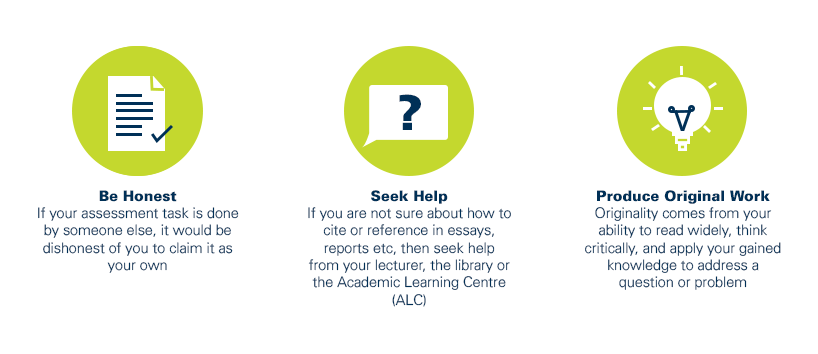
As a CQUniversity student you are expected to act honestly in all aspects of your academic work.
Any assessable work undertaken or submitted for review or assessment must be your own work. Assessable work is any type of work you do to meet the assessment requirements in the unit, including draft work submitted for review and feedback and final work to be assessed.
When you use the ideas, words or data of others in your assessment, you must thoroughly and clearly acknowledge the source of this information by using the correct referencing style for your unit. Using others’ work without proper acknowledgement may be considered a form of intellectual dishonesty.
Participating honestly, respectfully, responsibly, and fairly in your university study ensures the CQUniversity qualification you earn will be valued as a true indication of your individual academic achievement and will continue to receive the respect and recognition it deserves.
As a student, you are responsible for reading and following CQUniversity’s policies, including the Student Academic Integrity Policy and Procedure. This policy sets out CQUniversity’s expectations of you to act with integrity, examples of academic integrity breaches to avoid, the processes used to address alleged breaches of academic integrity, and potential penalties.
What is a breach of academic integrity?
A breach of academic integrity includes but is not limited to plagiarism, self-plagiarism, collusion, cheating, contract cheating, and academic misconduct. The Student Academic Integrity Policy and Procedure defines what these terms mean and gives examples.
Why is academic integrity important?
A breach of academic integrity may result in one or more penalties, including suspension or even expulsion from the University. It can also have negative implications for student visas and future enrolment at CQUniversity or elsewhere. Students who engage in contract cheating also risk being blackmailed by contract cheating services.
Where can I get assistance?
For academic advice and guidance, the Academic Learning Centre (ALC) can support you in becoming confident in completing assessments with integrity and of high standard.
What can you do to act with integrity?