Overview
Generating ideas, pitching a project proposal, assembling a design team, and creating a development plan are vital skills that enable engineers to establish new projects. This unit takes you through the creative process of prototyping in consultation with stakeholders. Your team must enhance your design idea by seeking external input through continued stakeholder interactions and sharing of several functional prototypes. You will pitch and demonstrate your final design to an audience of peers and professional engineers. You will apply relevant fundamental discipline knowledge and skills, as well as, project management principles. Completing this unit will enable you to discover your creativity while honing skills exhibited by productive and innovative engineers.
Details
Pre-requisites or Co-requisites
Prerequisites: ENEG11007 Engineering Industry Project Investigation AND (ENEG11006 Engineering Statics OR ENEG11009 Fundamentals of Sustainable Energy) AND MATH11218 Applied Mathematics AND ENEG11008 Materials for Engineers.
Important note: Students enrolled in a subsequent unit who failed their pre-requisite unit, should drop the subsequent unit before the census date or within 10 working days of Fail grade notification. Students who do not drop the unit in this timeframe cannot later drop the unit without academic and financial liability. See details in the Assessment Policy and Procedure (Higher Education Coursework).
Offerings For Term 1 - 2026
Attendance Requirements
All on-campus students are expected to attend scheduled classes - in some units, these classes are identified as a mandatory (pass/fail) component and attendance is compulsory. International students, on a student visa, must maintain a full time study load and meet both attendance and academic progress requirements in each study period (satisfactory attendance for International students is defined as maintaining at least an 80% attendance record).
Recommended Student Time Commitment
Each 6-credit Undergraduate unit at CQUniversity requires an overall time commitment of an average of 12.5 hours of study per week, making a total of 150 hours for the unit.
Class Timetable
Assessment Overview
Assessment Grading
This is a graded unit: your overall grade will be calculated from the marks or grades for each assessment task, based on the relative weightings shown in the table above. You must obtain an overall mark for the unit of at least 50%, or an overall grade of 'pass' in order to pass the unit. If any 'pass/fail' tasks are shown in the table above they must also be completed successfully ('pass' grade). You must also meet any minimum mark requirements specified for a particular assessment task, as detailed in the 'assessment task' section (note that in some instances, the minimum mark for a task may be greater than 50%). Consult the University's Grades and Results Policy for more details of interim results and final grades.
All University policies are available on the CQUniversity Policy site.
You may wish to view these policies:
- Grades and Results Policy
- Assessment Policy and Procedure (Higher Education Coursework)
- Review of Grade Procedure
- Student Academic Integrity Policy and Procedure
- Academic Progression Policy and Procedure
- Student Refund and Credit Balance Policy and Procedure
- Complaints Policy and Procedure
- Information and Communications Technology Acceptable Use Policy and Procedure
This list is not an exhaustive list of all University policies. The full list of University policies are available on the CQUniversity Policy site.
Feedback, Recommendations and Responses
Every unit is reviewed for enhancement each year. At the most recent review, the following staff and student feedback items were identified and recommendations were made.
Feedback from SUTE
There were some unnecessary resource links on the course website.
The unnecessary links should be reviewed and removed when necessary.
Feedback from SUTE
A discussion forum will be good for discussing ideas after the first assignment.
While online forums were available, alternate digital ways to share initial ideas should be facilitated.
Feedback from SUTE
The design change notes were hard to manage as evidence towards the final assignment.
The submitted design notes should be shared periodically by creating a new website for better visualisation.
- Explore a design problem that proposes to investigate opportunities for improvement, solve a societal problem or produce a new engineering product
- Develop a design specification and plan by incorporating relevant Australian and International Standards and gathering input from potential users or clients
- Enhance the design through continued external input by sharing a series of functional prototypes that demonstrate relevant discipline knowledge and the principles of sustainable development
- Communicate effectively, work productively, and be professionally accountable as part of a design team
- Reflect on the processes of creative design, prototype production and stakeholder consultation.
The Learning Outcomes for this unit are linked with the Engineers Australia Stage 1 Competency Standards for Professional Engineers in the areas of 1. Knowledge and Skill Base, 2. Engineering Application Ability and 3. Professional and Personal Attributes at the following levels:
Introductory
1.1 Comprehensive, theory-based understanding of the underpinning natural and physical sciences and the engineering fundamentals applicable to the engineering discipline. (LO: 3N)
1.4 Discernment of knowledge development and research directions within the engineering discipline. (LO: 1N)
Intermediate
1.3 In-depth understanding of specialist bodies of knowledge within the engineering discipline. (LO: 2N 3I)
2.1 Application of established engineering methods to complex engineering problem-solving. (LO: 2I 3I)
2.2 Fluent application of engineering techniques, tools and resources. (LO: 3I)
2.4 Application of systematic approaches to the conduct and management of engineering projects. (LO: 1N 2I 3I 4I 5I)
3.4 Professional use and management of information. (LO: 1N 2I 3I 4I)
Advanced
1.5 Knowledge of engineering design practice and contextual factors impacting the engineering discipline. (LO: 1N 2I 3A)
1.6 Understanding the scope, principles, norms, accountabilities and bounds of sustainable engineering practice in the specific discipline. (LO: 1N 2I 3A)
2.3 Application of systematic engineering synthesis and design processes. (LO: 1N 2I 3A 5I)
3.1 Ethical conduct and professional accountability. (LO: 2I 3I 4A)
3.2 Effective oral and written communication in professional and lay domains. (LO: 2I 3I 4A)
3.3 Creative, innovative and proactive demeanour. (LO: 1A 2I 3A)
3.5 Orderly management of self and professional conduct. (LO: 3A 4A 5I)
3.6 Effective team membership and team leadership. (LO: 2I 3A 4A 5I)
Note: LO refers to the Learning Outcome number(s) that link to the competency and the levels: N—Introductory, I—Intermediate, and A—Advanced.
Refer to the Engineering Undergraduate Course Moodle site for further information on Engineers Australia's Stage 1 Competency Standard for Professional Engineers and course-level mapping information https://moodle.cqu.edu.au/course/view.php?id=1511
Alignment of Assessment Tasks to Learning Outcomes
| Assessment Tasks | Learning Outcomes | ||||
|---|---|---|---|---|---|
| 1 | 2 | 3 | 4 | 5 | |
| 1 - Written Assessment - 20% | |||||
| 2 - Written Assessment - 20% | |||||
| 3 - Written Assessment - 30% | |||||
| 4 - Written Assessment - 30% | |||||
Alignment of Graduate Attributes to Learning Outcomes
| Graduate Attributes | Learning Outcomes | ||||
|---|---|---|---|---|---|
| 1 | 2 | 3 | 4 | 5 | |
| 1 - Communication | |||||
| 2 - Problem Solving | |||||
| 3 - Critical Thinking | |||||
| 4 - Information Literacy | |||||
| 5 - Team Work | |||||
| 6 - Information Technology Competence | |||||
| 7 - Cross Cultural Competence | |||||
| 8 - Ethical practice | |||||
| 9 - Social Innovation | |||||
| 10 - First Nations Knowledges | |||||
| 11 - Aboriginal and Torres Strait Islander Cultures | |||||
Textbooks
There are no required textbooks.
IT Resources
- CQUniversity Student Email
- Internet
- Unit Website (Moodle)
- Modelling software specific to project
- MS Project
- SketchUp
- Autodesk Inventor
All submissions for this unit must use the referencing style: Harvard (author-date)
For further information, see the Assessment Tasks.
s.ullah@cqu.edu.au
Week 1 - Develop creative confidence
Begin Date: 09 Mar 2026Module/Topic
Lecture: Introducing Creative Engineering and Ideation techniques
Chapter
See Moodle resources
Events and Submissions/Topic
Week 2 - Pitch your best design ideas
Begin Date: 16 Mar 2026Module/Topic
Lecture: Scoping out design ideas
Chapter
See Moodle resources
Events and Submissions/Topic
Week 3 - Tools supporting creativity
Begin Date: 23 Mar 2026Module/Topic
Lecture: Creativity tools
Chapter
See Moodle resources
Events and Submissions/Topic
Download related software or access from CQU computer labs: SketchUp, Inventor.
IDENTIFYING A PROBLEM Due: Week 3 Friday (27 Mar 2026) 10:00 pm AEST
Week 4 - Assemble your design team
Begin Date: 30 Mar 2026Module/Topic
Lecture: Design specifications
Chapter
See Moodle resources
Events and Submissions/Topic
Design team formation
Week 5 - The role of stakeholders
Begin Date: 06 Apr 2026Module/Topic
Lecture: Design specifications, stakeholders and potential prototypes
Chapter
See Moodle resources
Events and Submissions/Topic
Log your design improvements and submit design change notes (DCNs) on Moodle.
DESIGN SPECIFICATIONS Due: Week 5 Monday (6 Apr 2026) 10:00 pm AEST
Week 6 - Create a throw-away prototype
Begin Date: 13 Apr 2026Module/Topic
Lecture: Enhanced design through consultation
Chapter
See Moodle resources
Events and Submissions/Topic
Log your design improvements and submit design change notes on Moodle.
Vacation Week
Begin Date: 20 Apr 2026Module/Topic
Chapter
Events and Submissions/Topic
Week 7 - Project Management
Begin Date: 27 Apr 2026Module/Topic
Lecture: MS project
Chapter
See Moodle resources
Events and Submissions/Topic
Practice MS project fundamentals.
Week 8 - Charting your design evolution
Begin Date: 04 May 2026Module/Topic
Lecture: Design evolution storyboard
Chapter
See Moodle resources
Events and Submissions/Topic
Log your design improvements and submit design change notes on Moodle.
Week 9 - Iterate protype, feedback, refine
Begin Date: 11 May 2026Module/Topic
Lecture: Student facing lecture
Chapter
See Moodle resources
Events and Submissions/Topic
Log your design improvements and submit design change notes on Moodle.
Week 10 - Reflect on your design journey
Begin Date: 18 May 2026Module/Topic
Lecture: design reflection, documentation and evidences
Chapter
See Moodle resources
Events and Submissions/Topic
Log your design improvements and submit design change notes on Moodle.
Prepare for team presentation.
Week 11 - Present your design journey
Begin Date: 25 May 2026Module/Topic
Lecture: Student presentations
Chapter
See Moodle resources
Events and Submissions/Topic
Log your design improvements and submit design change notes on Moodle.
Design Evolution Storyboard and Presentation Due: Week 11 Friday (29 May 2026) 10:00 pm AEST
Week 12 - Peer design journey reflection
Begin Date: 01 Jun 2026Module/Topic
Lecture: Student presentations
Chapter
See Moodle resources
Events and Submissions/Topic
Design Evolution Presentation Due: at the Engineering Project Showcase (Date TBA see Moodle)
Exam Week
Begin Date: 08 Jun 2026Module/Topic
Chapter
Events and Submissions/Topic
Vacation/Exam Week
Begin Date: 15 Jun 2026Module/Topic
Chapter
Events and Submissions/Topic
1 Written Assessment
You must come up with a design problem following the template provided on Moodle. You will include a statement of the problem and identification of the stakeholders in the design as well as provide evidence of your external engagement. The submission will also include an idea flow diagram or mind map showing how you brainstormed on the identified problem. Your ideas should be presented concisely and enticing to attract students to further develop your idea.
You should now be ready to select your teammates and form your team on Moodle.
AI ASSESSMENT SCALE - AI PLANNING
You may use Al for planning, idea development, and research. Your final submission should show how you have developed and refined these ideas.
Week 3 Friday (27 Mar 2026) 10:00 pm AEST
Feedback is provided within 2 weeks of the assessment deadline for on-time submissions.
A Marking Rubric is provided on Moodle that includes indicators of attainment at the ‘Sound’, ‘Good’ and ‘Excellent’ levels for all aspects of the assignment such as your problem idea statement, the problems and opportunities identified, the realism of your idea, the potential to create rapid prototypes, opportunities for sustainable development and external stakeholder engagement. The problem identified should give ample opportunities to be creative and allow an iterative process of refinements, developing into a creative project as opposed to providing a one-off solution.
- Explore a design problem that proposes to investigate opportunities for improvement, solve a societal problem or produce a new engineering product
2 Written Assessment
In teams, you will prepare an initial concept for your design project. This will include early thoughts on the design specifications, who the key stakeholders are, and what prototypes to create. Design changes as and when they appear must be registered on the Moodle form to use as evidence in future submissions.
AI ASSESSMENT SCALE - AI PLANNING
You may use Al for planning, idea development, and research. Your final submission should show how you have developed and refined these ideas.
Week 5 Monday (6 Apr 2026) 10:00 pm AEST
Feedback is provided within 2 weeks of the assessment deadline for on-time submissions.
A Marking Rubric is provided on Moodle that includes indicators of attainment at the ‘Sound’, ‘Good’ and ‘Excellent’ levels for all aspects of the assignment such as your design idea statement, the problems and opportunities identified, the realism of your idea, the potential to create rapid prototypes, and opportunities for sustainable development and external engagement. The initial design specifications should then lead to further refinement and contribute towards multiple design changes.
- Develop a design specification and plan by incorporating relevant Australian and International Standards and gathering input from potential users or clients
3 Written Assessment
In your team, record and present the evolution of your design through rapid prototyping and seeking continual feedback from your stakeholders. The written component of this assessment will include the collation of design improvement logs submitted from Week 5 and onwards. The group presentation will take place later in the term and must be attended by all students.
AI ASSESSMENT SCALE - AI PLANNING
You may use Al for planning, idea development, and research. Your final submission should show how you have developed and refined these ideas.
Week 11 Friday (29 May 2026) 10:00 pm AEST
Feedback is provided within 2 weeks of the assessment deadline for on-time submissions.
A Marking Rubric is provided on Moodle that includes indicators of attainment at the ‘Sound’, ‘Good’ and ‘Excellent’ levels for all aspects of the assignment including methods of engaging with stakeholders, types of prototypes produced, and evidence of incorporating user feedback into the design. The creativity process and technical specifications are communicated by means of visual storytelling taking into account of a wider audience as opposed to discipline specific demonstration.
- Enhance the design through continued external input by sharing a series of functional prototypes that demonstrate relevant discipline knowledge and the principles of sustainable development
- Communicate effectively, work productively, and be professionally accountable as part of a design team
4 Written Assessment
Individually prepare a written document as evidence of your achievements towards the unit learning outcomes throughout the term. The document must be prepared using the Microsoft Word template provided on Moodle, and it shall contain only your work. The document must contain the following compulsory sections. Activities for this task will be based initially on Project Management tasks followed by developing a design idea through rapid prototyping and refinement.
Grade Nomination: A self-assessment of your level of achievement (‘Sound’, ‘Good’ or ‘Excellent’) that you believe should be awarded for each task listed in the assessment marking rubric on Moodle. For each task, you will need to substantiate your claim by including the active document links and page numbers to entries that contain evidence of meeting the associated indicators of attainment from the marking rubric. Evidence of your learning achievements will come from subsequent sections including entries in your Workbook, and Reflective Journal. An example of a Grade Nomination is provided on Moodle.
Workbook:
- The workbook can be typed, handwritten (then scanned) or a combination of both but must be neat, chronological and legible.
- The workbook contains all your individual work and contributions to the team throughout the term. It should contain separate entries with headings and the date, such as: ‘April 20 – Stakeholder engagement plan’. These entries will show when you worked on each element of the project and how your ideas and capabilities have developed through the unit.
- You should not go back and edit old entries as this may prohibit demonstrating skills development. The workbook will principally contain responses to set activities that will help your team to collaborate on your design project. You cannot complete these tasks retrospectively so you must be prepared to add entries to your workbook each week while working on the team project.
- Entries should demonstrate a variety of technical and creative skills. It is good practice to add entries to your Workbook first and then share your work with your team to ensure you retain the original work.
Reflective Journal:
- As with your workbook, it can be typed, handwritten (then scanned) or a combination of both but must be neat, chronological and legible. The Reflective Journal contains your thoughts about how you and your team are progressing with the project and what you have learnt and experienced either directly by doing the work or indirectly through observing others.
- It should contain entries each week while working on the project. Entries must have headings with the date and a title, such as: ‘April 20 – Why I think Risk Assessment is important for engineers’. Reflective entries can demonstrate a variety of achievements like understanding how and when you learnt something, identifying effective ways to communicate and work with your peers, and comprehending the relevance of what you have learnt and experienced towards your future engineering career.
- You should not go back and edit old entries as this may prohibit demonstrating your development. Thus, the Reflective Journal cannot be completed retrospectively. Refer to the Reflective Writing Guide on Moodle.
You should expect that your lecturer will ask to see your Workbook and Reflective Journal at any time during the team project to ensure that you are progressing suitably towards achieving the associated unit learning outcomes.
AI ASSESSMENT SCALE - NO AI
You must not use Al at any point during the assessment. You must demonstrate your core skills and knowledge.
Exam Week Monday (8 June 2026) 10:00 pm AEST
At certification of grades
A Marking Rubric is provided on Moodle that includes indicators of attainment at the ‘Sound’, ‘Good’ and ‘Excellent’ levels for all tasks. Excellent level requires substantial evidence and related software certifications proving a high-level of individual effort and documenting of multiple design change notes. Students are required to document their entire creative engineering journey not limited to keeping evidence for team meeting minutes, stakeholder engagement and online individual submission of design change notes and include these as evidence towards achieving the learning outcomes. The workbook must be chronological with reflections documented with regards to interaction with the unit material and lectures. Tasks are based on the Project Management theory and rapid development of your design idea through prototyping and stakeholder feedback.
- Develop a design specification and plan by incorporating relevant Australian and International Standards and gathering input from potential users or clients
- Enhance the design through continued external input by sharing a series of functional prototypes that demonstrate relevant discipline knowledge and the principles of sustainable development
- Communicate effectively, work productively, and be professionally accountable as part of a design team
- Reflect on the processes of creative design, prototype production and stakeholder consultation.
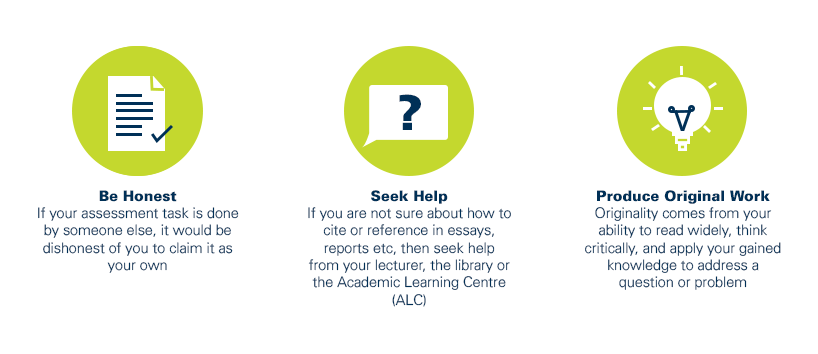
As a CQUniversity student you are expected to act honestly in all aspects of your academic work.
Any assessable work undertaken or submitted for review or assessment must be your own work. Assessable work is any type of work you do to meet the assessment requirements in the unit, including draft work submitted for review and feedback and final work to be assessed.
When you use the ideas, words or data of others in your assessment, you must thoroughly and clearly acknowledge the source of this information by using the correct referencing style for your unit. Using others’ work without proper acknowledgement may be considered a form of intellectual dishonesty.
Participating honestly, respectfully, responsibly, and fairly in your university study ensures the CQUniversity qualification you earn will be valued as a true indication of your individual academic achievement and will continue to receive the respect and recognition it deserves.
As a student, you are responsible for reading and following CQUniversity’s policies, including the Student Academic Integrity Policy and Procedure. This policy sets out CQUniversity’s expectations of you to act with integrity, examples of academic integrity breaches to avoid, the processes used to address alleged breaches of academic integrity, and potential penalties.
What is a breach of academic integrity?
A breach of academic integrity includes but is not limited to plagiarism, self-plagiarism, collusion, cheating, contract cheating, and academic misconduct. The Student Academic Integrity Policy and Procedure defines what these terms mean and gives examples.
Why is academic integrity important?
A breach of academic integrity may result in one or more penalties, including suspension or even expulsion from the University. It can also have negative implications for student visas and future enrolment at CQUniversity or elsewhere. Students who engage in contract cheating also risk being blackmailed by contract cheating services.
Where can I get assistance?
For academic advice and guidance, the Academic Learning Centre (ALC) can support you in becoming confident in completing assessments with integrity and of high standard.
What can you do to act with integrity?