Overview
In this unit you will focus on evidence-based clinical exercise physiology research and practice that will comprise of a combination of online learning, compulsory on-campus activities and independent research. You will evaluate and apply the principles of evidence-based research to clinical practice by evaluating published literature/clinical frameworks for designing therapeutic treatment plans for those with, or at risk of chronic disease and plan treatments including the use of behaviour change techniques. You will also develop your knowledge and skills in clinical exercise physiology practice through on-campus activities at a residential school.
Details
Pre-requisites or Co-requisites
There are no requisites for this unit.
Important note: Students enrolled in a subsequent unit who failed their pre-requisite unit, should drop the subsequent unit before the census date or within 10 working days of Fail grade notification. Students who do not drop the unit in this timeframe cannot later drop the unit without academic and financial liability. See details in the Assessment Policy and Procedure (Higher Education Coursework).
Offerings For Term 1 - 2026
Attendance Requirements
All on-campus students are expected to attend scheduled classes - in some units, these classes are identified as a mandatory (pass/fail) component and attendance is compulsory. International students, on a student visa, must maintain a full time study load and meet both attendance and academic progress requirements in each study period (satisfactory attendance for International students is defined as maintaining at least an 80% attendance record).
Recommended Student Time Commitment
Each 6-credit Postgraduate unit at CQUniversity requires an overall time commitment of an average of 12.5 hours of study per week, making a total of 150 hours for the unit.
Class Timetable
Assessment Overview
Assessment Grading
This is a graded unit: your overall grade will be calculated from the marks or grades for each assessment task, based on the relative weightings shown in the table above. You must obtain an overall mark for the unit of at least 50%, or an overall grade of 'pass' in order to pass the unit. If any 'pass/fail' tasks are shown in the table above they must also be completed successfully ('pass' grade). You must also meet any minimum mark requirements specified for a particular assessment task, as detailed in the 'assessment task' section (note that in some instances, the minimum mark for a task may be greater than 50%). Consult the University's Grades and Results Policy for more details of interim results and final grades.
All University policies are available on the CQUniversity Policy site.
You may wish to view these policies:
- Grades and Results Policy
- Assessment Policy and Procedure (Higher Education Coursework)
- Review of Grade Procedure
- Student Academic Integrity Policy and Procedure
- Academic Progression Policy and Procedure
- Student Refund and Credit Balance Policy and Procedure
- Complaints Policy and Procedure
- Information and Communications Technology Acceptable Use Policy and Procedure
This list is not an exhaustive list of all University policies. The full list of University policies are available on the CQUniversity Policy site.
- Apply the principles of evidence-based research to create therapeutic treatment plans for those with or at risk of chronic disease
- Proficiently communicate research findings via well- developed written and oral presentation skills
- Demonstrate developing practice skills in clinical exercise physiology by designing, implementing, adapting, and evaluating safe and effective exercise physiology services with guidance
Learning outcomes of this unit are linked to the following Exercise Physiology Professional Standards for Exercise and Sports Science Australia.
Element 1.2.1: Practice with integrity within the scope of practice for an AEP, the ESSA Code of Professional Conduct and Ethical Practice, and jurisdictional Codes of Conduct
Element 1.2.2: Practice in accordance with ethically relevant legislation, regulations, and standards that apply to AEPs including privacy, confidentiality, data security, informed consent, and record-keeping
Element 1.2.3: Differentiate and select verbal and non-verbal communication strategies that are contextually appropriate, timely, accessible, and respectful to clients, population groups, and relevant others
Element 1.2.4: Develop effective, concise, respectful, and informative clinical documentation, including case notes and reports, and apply appropriate record keeping practices
Element 1.2.5: Practice in a culturally safe, inclusive, sensitive, respectful, and responsive way and according to person-centred care principles
Element 1.2.6: Practice collaboratively and effectively with other professionals, including seeking feedback and input to inform decision-making, delegating tasks, and referring to other professionals and services where appropriate
Element 1.2.7: Develop reflective practices through self-reflection, seeking and engaging with feedback from colleagues and clients, critically evaluating service delivery and outcomes, and engaging in ongoing learning
Element 2.2.1: Integrate knowledge of anatomy, physiology, pathophysiology, and other determinants of health and function and apply these to inform safe and effective movement, physical activity, and exercise-based interventions for individuals and population groups throughout all stages of their life
Element 2.2.3: Evaluate physiological responses and adaptations to acute and chronic exercise for clients across the full health spectrum
Element 2.2.4: Evaluate the effect of commonly prescribed medications, diagnostic procedures, medical, surgical, and other interventions on both resting and exercise-related physiological responses across the full health spectrum
Element 2.2.5: Evaluate research findings and apply exercise prescription principles to develop recommendations and interventions, including targeted exercise prescription for the purposes of optimising health status, function, recovery, independence, and participation
Element 2.2.6: Apply clinical, ethical, and evidence-based decision-making to formulate appropriate interventions and recommendations and communicate the expected outcomes
Element 2.2.8: Evaluate and apply contextual learning principles and behaviour change strategies to improve health outcomes, increase engagement, motivation, and adherence, and empower self-management of health conditions
Element 3.2.4: Distinguish, record, report, and appropriately action changing risk factors and adverse signs and symptoms that may arise before, during, and after assessments and interventions
Element 3.2.5: Evaluate and record assessment outcomes in a timely and accurate manner to inform practice and communicate outcomes and relevance to goals effectively to clients and relevant others
Element 3.2.6: Communicate appropriate client support strategies to facilitate in-person and telepractice/telehealth service delivery which considers client needs, preferences, health and digital literacy, and accessibility factors
Element 3.2.7: Distinguish when client needs are outside of scope or competence and take appropriate, timely actions including engaging effectively with other professionals
Element 3.2.8: Choose and use relevant technology and equipment efficiently, effectively, and safely
Element 4.2.1: Formulate evidence-based exercise prescription, interventions, and recommendations that address health and treatment related client needs, preferences, goals, and abilities, assessment findings, and social and cultural determinants of health
Element 4.2.2: Design, prescribe, deliver, and monitor safe and effective movement, physical activity, and exercise-based interventions for clients with complex presentations, including those with acute and chronic health conditions and multiple comorbidities
Element 4.2.3: Formulate and apply strategies to manage risks, evaluate progress, and adapt recommendations and interventions in partnership with clients based on needs and measured outcomes
Element 4.2.4: Create and apply inclusive, respectful, and effective communication strategies to educate and engage clients in informed decision-making about purpose, benefits, risks, options, and costs for proposed interventions, expected outcomes, and strategies for future prevention
Element 4.2.5: Apply and evaluate exercise prescription, health behaviour, and lifestyle change strategies and education, in partnership with clients to increase engagement, motivation and adherence, and improve health and well-being
Element 4.2.6: Formulate strategies during treatment to empower clients to undertake safe and effective self-management during and following discharge from interventions
Element 4.2.7: Communicate effectively and respectfully with clients and relevant others about progress and outcomes of interventions, including appropriate reporting
Element 4.2.8: Evaluate effectiveness of interventions and their outcomes including the selection, interpretation, and reporting of outcome measures to inform future practice
Alignment of Assessment Tasks to Learning Outcomes
| Assessment Tasks | Learning Outcomes | ||
|---|---|---|---|
| 1 | 2 | 3 | |
| 1 - Presentation - 30% | |||
| 2 - Essay - 50% | |||
| 3 - Reflective Practice Assignment - 20% | |||
| 4 - Professional Practice Placement - 0% | |||
Alignment of Graduate Attributes to Learning Outcomes
| Graduate Attributes | Learning Outcomes | ||
|---|---|---|---|
| 1 | 2 | 3 | |
| 1 - Knowledge | |||
| 2 - Communication | |||
| 3 - Cognitive, technical and creative skills | |||
| 4 - Research | |||
| 5 - Self-management | |||
| 6 - Ethical and Professional Responsibility | |||
| 7 - Leadership | |||
| 8 - First Nations Knowledges | |||
| 9 - Aboriginal and Torres Strait Islander Cultures | |||
Textbooks
Evidence-based practice across the health professions
- Edition: 4th (2024)
- Authors: Hoffmann, T., Bennett, S., Mar, C. D.
- Elsevier
- Chatswood Chatswood , NSW , Australia
- ISBN: 9780729544436
Additional Textbook Information
This e-book is available from the Elsevier website here and operates on the VitalSource platform.
IT Resources
- CQUniversity Student Email
- Internet
- Unit Website (Moodle)
- Adobe Acrobat Reader (or similar) software for viewing PDF documents
- Computer / laptop with webcam to allow videoconferencing
- Microsoft Office (or equivalent) software for preparation of assessment items in the appropriate format
- ZOOM Videoconferencing software
All submissions for this unit must use the referencing style: American Psychological Association 7th Edition (APA 7th edition)
For further information, see the Assessment Tasks.
r.stanton@cqu.edu.au
r.clapperton@cqu.edu.au
Week 1
Begin Date: 09 Mar 2026Module/Topic
Introduction to Evidence-Based Practice (EBP)
Chapter
Hoffmann, T., Bennett, S., & Del Mar, C. (2024). Evidence-based practice across the health professions (Fourth edition.). Elsevier.
- Chapter 1
Events and Submissions/Topic
Week 2
Begin Date: 16 Mar 2026Module/Topic
Research Methods in Exercise Physiology
Chapter
Hoffmann, T., Bennett, S., & Del Mar, C. (2024). Evidence-based practice across the health professions (Fourth edition.). Elsevier.
- Chapter 2
Events and Submissions/Topic
Week 3
Begin Date: 23 Mar 2026Module/Topic
Critical Appraisal of Quantitative Research Literature
Chapter
Hoffmann, T., Bennett, S., & Del Mar, C. (2024). Evidence-based practice across the health professions (Fourth edition.). Elsevier.
- Chapter 4
Smith-Turchyn, J., Sinclair, S., O’Loughlin, E.K. et al. A pilot randomized controlled trial of a virtual peer-support exercise intervention for female older adults with cancer. BMC Geriatr 24, 887 (2024). doi:10.1186/s12877-024-05495-z
Events and Submissions/Topic
Week 4
Begin Date: 30 Mar 2026Module/Topic
Critical Appraisal of Qualititative Research Literature
Chapter
Hoffmann, T., Bennett, S., & Del Mar, C. (2024). Evidence-based practice across the health professions (Fourth edition.). Elsevier.
- Chapter 10 and 11
Peralta LR, Yager Z, Prichard I. Practice-based evidence: perspectives of effective characteristics of Australian group-based physical activity programs for postpartum women. Health Prom J of Austr 2022; 33(3), 891-903. doi:10.1002/hpja.561
Events and Submissions/Topic
Week 5
Begin Date: 06 Apr 2026Module/Topic
Dissecting a Research Paper
Chapter
Shiely F, Gallagher K, Millar SR. How, and why, science and health researchers read scientific (IMRAD) papers. PLoS One. 2024 Jan 22;19(1):e0297034. doi:10.1371/journal.pone.0297034
CQU Library source: Journal rankings and choosing a journal
Events and Submissions/Topic
Week 6
Begin Date: 13 Apr 2026Module/Topic
Communicating Research Findings
Chapter
Hoffmann, T., Bennett, S., & Del Mar, C. (2024). Evidence-based practice across the health professions (Fourth edition.). Elsevier.
- Chapter 13
Ross-Hellauer, T., Tennant, J. P., Banelytė, V., Gorogh, E., Luzi, D., Kraker, P., Pisacane, L., Ruggieri, R., Sifacaki, E., & Vignoli, M. (2020). Ten simple rules for innovative dissemination of research. PLoS Comput Biol, 16(4), e1007704. doi:10.1371/journal.pcbi.1007704
NHMRC Guidelines for Guidelines: Dissemination and Communication
Events and Submissions/Topic
A Critical Evaluation of Evidence-based Practice Presentation due Week 6 Tuesday (14 April 2026) 5:00 pm AEST
Vacation Week
Begin Date: 20 Apr 2026Module/Topic
Chapter
Events and Submissions/Topic
Week 7
Begin Date: 27 Apr 2026Module/Topic
Emerging Trends in Exercise Physiology Research and Practice
Chapter
Lederman, O., Llana, A., Murray, J., Stanton, R., Chugh, R., Haywood, D., Burdett, A., Warman, G., Walker, J., & Hart, N. H. (2025). Promises and perils of generative artificial intelligence: a narrative review informing its ethical and practical applications in clinical exercise physiology. BMC Sports Sci Med Rehabil, 17(1), 131. doi:10.1186/s13102-025-01182-7
Kington RS, Arnesen S, Chou WS, Curry SJ, Lazer D, Villarruel AM. Identifying credible sources of health information in social media: Principles and attributes. National Acadamy of Medicine Perspectives. 2021 Jul 16;2021:10.31478/202107a. doi:10.31478/202107a
Boudry F, Durand F, Meric H, Mouakher A. The role of machine learning methods in physiological explorations of endurance trained athletes: a mini-review. Front Sports Act Living. 2024 Nov 21;6:1440652. doi:10.3389/fspor.2024.1440652
Events and Submissions/Topic
Week 8
Begin Date: 04 May 2026Module/Topic
Behaviour Change Techniques (BCTs) in Exercise Physiology
Chapter
Aggarwal, A., Tam, C. C., Wu, D., Li, X., & Qiao, S. (2023). Artificial intelligence–based chatbots for promoting health behavioral changes: Systematic review. J Med Internet Res, 25, e40789. doi:10.2196/40789
Simpson, A., Beauchamp, M. R., Dimmock, J., Willis, C., & Jackson, B. (2025). Health behaviour change: Theories, progress, and recommendations for the next generation of physical activity research. Psychol Sport Exerc, 80, 102918. doi:10.1016/j.psychsport.2025.102918
Swann, C., Buchan, J., Calleja, E. A., Goddard, S. G., Clarke, M. M., Hawkins, R. M., Jackman, P. C., Schweickle, M. J., Vella, S. A., & Rosenbaum, S. (2026). Goal Setting in Exercise and Physical Activity: An Expert Statement on Behalf of Exercise and Sports Science Australia. Sports Med. https://doi.org/10.1007/s40279-025-02373-5
Hawkins, R. M., Swann, C., & Jackman, P. C. (2025). The effects of open and SMART goals on physical activity and psychological outcomes over one week: a multiple methods study. International J Sport Exerc Psychol, 1–28. https://doi.org/10.1080/1612197X.2025.2570187
Events and Submissions/Topic
Week 9
Begin Date: 11 May 2026Module/Topic
Applying Research to Practice: Developing Treatment Plans
Chapter
Agency for Healthcare Research and Equity: SBAR Communication
Australian Commission on Safely and Quality in Healthcare: Person Centred Care
Meredith, P., Hill, J., & Stanton, R. (2023). A place for attachment theory in exercise science and exercise physiology. J Clin Exerc Physiol, 12(1), 27-35. doi:10.31189/2165-6193-12.1.27
Events and Submissions/Topic
Week 10
Begin Date: 18 May 2026Module/Topic
Clinical Exercise Physiology Practicum: Applying Research to Practice: Implementing and Evaluating Treatment Plans
Chapter
Australian Commission on Safety and Quality in Health Care. Implementing the Comprehensive Care Standard: Review and improve comprehensive care delivery. Sydney: ACSQHC; 2019.
Accredited Exercise Physiologist Professional Standards for Accreditation – Support Guide
Altinger, G., Maher, C. G., & Traeger, A. C. (2024). Using behavioural economics to improve adherence to home exercise programs. J Physiother, 70(3), 161-163. doi:10.1016/j.jphys.2024.03.003
Events and Submissions/Topic
Clinical Practice Guidelines Essay due Week 10 Tuesday (19 May 2026) 5:00 pm AEST
Week 11
Begin Date: 25 May 2026Module/Topic
Residential School: Rockhampton
Chapter
No recommended reading
Events and Submissions/Topic
Residential School Attendance.
Rockhampton: Monday 25 May - Tuesday 26 May 2026
Week 12
Begin Date: 01 Jun 2026Module/Topic
Residential School: Cairns
Chapter
No recommended reading
Events and Submissions/Topic
For students attending the Rockhampton Residential School - All Professional Practice Placement Assesment items due Week 12 Monday (1 June 2026) 5:00 pm AEST
Residential School Attendance.
Cairns: Tuesday 02 June - Wednesday 03 June 2026
Exam Week
Begin Date: 08 Jun 2026Module/Topic
Chapter
Events and Submissions/Topic
Reflective Practice Assignment due Exam Week Friday (12 June 2026) 5:00 pm AEST
For students attending the Cairns Residential School - All Professional Practice Placement Assesment items due Exam Week Monday (8 June 2026) 5:00 pm AEST
This unit contains a compulsory residential school scheduled for Week 11 (Rockhampton) and Week 12 (Cairns). Your selection of campus attendance for the residential school will be based on your proximity to either campus, and the number of students attending each campus. You will be responsible for any costs incurred for residential school attendance.
You will also undertake a minimum of twenty (20) hours of practicum activities throughout the Term which may include simulated learning activities, telehealth, and face-to-face activities. Some of these activities will occur during the residential school. All professional practicum placement assessment tasks including those undertaken at the residential school are pass non-graded meaning you must pass all of the components that make up the tasks to pass the unit. Passing the professional practicum placement includes a minimum level of attendance at the scheduled weekly tutorials.
Grace period for submission of assessment tasks: The Assessment Policy and Procedure (Higher Education Coursework) describes the application of a grace period of 72 hours for the submission of some assessment tasks. This means you will be able to submit some assessment tasks up to 72 hours after the due date without incurring late penalties. This Unit Profile and the ESSC28008 Moodle site clearly identify the assessment tasks for which this grace period DOES NOT apply.
1 Presentation
In this assessment, you will be required to critically evaluate the role of research and evidence-based practice (EBP) in
clinical exercise physiology, particularly in the management of chronic disease, and present this evaluation in an oral
format. Your oral presentation will take the format of a mini-lecture series intended for other allied health professionals
including students. That is, the content and delivery should be targetted for a broad allied health professional audience
The presentation will be between 15-20 minutes in duration, and be recorded in .mp4 format. You will upload the
recording into Moodle using the online submission link. For convenience, you should use ZOOM to record the
presentation since you need to be visible in the presentation.
Your presentation must address at a minimum, the following points:
- Define and discuss the principles of evidence-based practice (EBP) in clinical exercise physiology, including its
importance in guiding safe and effective interventions. - Critically evaluate the current research in clinical exercise physiology, highlighting key studies that have shaped
modern contemporary therapeutic exercise guidelines for a specific chronic disease, and discuss how these
guidelines are applied in a clinical setting. - Analyse the challenges and limitations of implementing EBP, including barriers related to research quality, clinical
translation, patient adherence and behaviour change considerations, and access to resources. - Discuss the integration of EBP into clinical decision-making, addressing how practitioners assess research
validity, balance conflicting evidence, and apply findings to individual patient needs.
Your submission must be supported by recent (ideally within the past 5 years) relevant references from the peer reviewed literature as necessary. Do NOT refer to blogs, websites, YouTube videos or other non-scientific sources. You MUST refer to empirical research, reviews, guideline or consensus statements published in the peer-reviewed scientific literature.
Your presentation will be marked against the criteria described in the Assessment Criteria section below. Your
presentation will be marked out of 60 marks and contribute 30% of your overall grade for this unit.
Level of GenAI use allowed:
Level 3: You may use Al to assist with specific tasks such as drafting text, refining and evaluating your work. You must
critically evaluate and modify any Al-generated content you use
Week 6 Tuesday (14 April 2026) 5:00 pm AEST
Marks for the presentation will be available 2 weeks following the due date.
The critical evaluation of evidence-based practice presentation will be marked out of 60 marks using the criteria
described below.
- Define evidence-based practice and explain its importance in guideing safe and effective interventions in clinical
exercise physiology. (10 marks) - Critically evaluate studies that have contributed to comtemporary clinical exercise physiology practice and
describe how they have been translated and applied to exercise prescription guidelines for chronic disease
management. (15 marks) - Describe the challanges from the clinic, client, and practitioner perspective, associated with translating best
practice guidelines into routine clinical practice. (10 marks) - Discuss how practitioners assess research quality and balance conflicting evidence when making clinical
decisions related to the clients' needs and goals. (15 marks) - Deliver the presentation in a manner appropriate for the intended purpose and audience. (5 marks)
- Use relevant references formatted according to APA style (7th Edition) (including in-presentation references). (5
marks)
Marks will be awarded using a marking rubric which is available on Moodle.
- Apply the principles of evidence-based research to create therapeutic treatment plans for those with or at risk of chronic disease
- Proficiently communicate research findings via well- developed written and oral presentation skills
2 Essay
In this assessment, you will be required to describe the process of planning, developing reviewing, implementing and
updating guidelines for a specific chronic disease of your choice, and address the following points.
- Using the NHMRC Guidelines, describe the process of planning, developing reviewing, implementing and
updating guidelines for a specific chronic disease likely to be seen in routine clinical exercise physiology practice. - Discuss the limitations associated with broad adoption of new or revised guidelines, including reference to
behaviour change models. - Describe the importance of public consultation in guideline development and discuss how to address submissions
from public consultations.
The essay will be 2500 – 3000 words in length (not including a cover page and references) and be prepared according to
the following instructions:
- Document type: Microsoft Word (.doc or .docx)
- Page size: A4
- Font: Calibri 12 point
- Line spacing: Double spaced throughout
- Language: Australian English
- Margins: 2.54cm on all sides
- Tables and Figures: May be used but titles and footnotes will be included in the word count
Your submission must be supported by recent (ideally within the past 5 years) relevant references from the peer reviewed literature as necessary. Do NOT refer to blogs, websites, YouTube videos or other non-scientific sources. You MUST refer to empirical research, reviews, guideline or consensus statements published in the peer-reviewed scientific literature
Your essay will be marked against the criteria described in the Assessment Criteria section below. Your essay will be
marked out of 100 marks and contribute 50% of your overall grade for this unit.
Level of GenAI use allowed:
Level 3: You may use Al to assist with specific tasks such as drafting text, refining and evaluating your work. You must
critically evaluate and modify any Al-generated content you use
Week 10 Tuesday (19 May 2026) 5:00 pm AEST
Marks for the essay will be available 2 weeks following the due date.
The essay will be marked out of 100 marks using the criteria described below.
- Describe the condition which you are addressing, including consideration of the anatomy, physiology,
pathophysiology, and other determinants of health and function. - Discuss how the selected condition affects movement, physical activity, and exercise-based interventions for
individuals and population groups across the lifespan. - Using the NHMRC Guidelines, describe the process of planning, developing reviewing, implementing and
updating guidelines for a specific chronic disease likely to be seen in routine clinical exercise physiology practice. - Discuss the limitations associated with broad adoption of new or revised guidelines, including reference to
behaviour change models. - Describe the importance of public consultation in guideline development and discuss how to address submissions
from public consultations. - Present proposed revisions to exercise guidelines for your selected condition with consideration to commonly
prescribed medications, diagnostic procedures, medical, surgical, and other interventions on both resting and
exercise-related physiological responses across the full health spectrum. - Develop a dissemination strategy for the proposed revised guidelines that meets with the needs of all
stakeholders. - Use recent and relevant references formatted using APA 7th style to support your submission (5 marks)
Marks will be awarded using a marking rubric which is available on Moodle.
- Apply the principles of evidence-based research to create therapeutic treatment plans for those with or at risk of chronic disease
- Proficiently communicate research findings via well- developed written and oral presentation skills
3 Reflective Practice Assignment
In this assessment task, you will write a reflection (~1000 - 1500 words in total) about your engagement with clients
through simulated learning activities, telehealth, and face-to-face interactions . You will reflect on the positive
experiences and negative experiences related to the following AEP professional attributes:
- Professional practice
- Foundational knowledge
- Assessment and client management
- Design and delivery of exercise-based interventions
To protect the confidentiality of clients, you must not disclose any personal information that can identify individuals in your reflections, for example name(s) of the client, students, staff, or the organisation. You are encouraged to be
genuine and honest in your reflections. The reflection should contribute to your personal and professional growth and
development.
Your Reflective Practice Assignment must address the following five (5) questions related to your professional practicum
placement activities.
- What did you do well?
- What can you improve upon and how?
- What were the client outcomes from your placement, and what were the contributors to the outcomes?
- What have you learned about your practice from your reflection of your placement experience?
- How might your practice change and develop as a result of your experience?
The reflection will be formatted according to the following instructions:
- Document type: Microsoft Word (.doc or .docx)
- Page size: A4
- Font: Calibri 12 point
- Line spacing: Double spaced throughout
- Language: Australian English
- Margins: 2.54cm on all sides
- Tables and Figures: May be used but titles and footnotes will be included in the word count
Your submission must be supported by recent (ideally within the past 5 years) relevant references from the peer reviewed literature as necessary. Do NOT refer to blogs, websites, YouTube videos or other non-scientific sources. You MUST refer to empirical research, reviews, guideline or consensus statements published in the peer-reviewed scientific literature.
Your Reflective Practice Assignment will be marked against the criteria described in the Assessment Criteria section
below. Your reflective Practice Assignment will be marked out of 50 marks and contribute 20% of your overall grade for
this unit.
Level of GenAI use allowed:
Level 1: You must not use Al at any point during the assessment. You must demonstrate your core skills and knowledge.
Vacation/Exam Week Monday (15 June 2026) 5:00 pm AEST
Marks for the Reflective Practice Assignment will be available 2 weeks following the due date.
The Reflective Practice Assignment will be marked out of 50 marks using the criteria described below.
- Clearly describe what you did well and what areas require improvement, supported with non-identifiable
examples. (10 marks) - What do you see as the barriers and facilitators to your clients implimenting the intervention you proposed,
supported with non-identifiable examples. (10 marks) - How do you perceive your therapeutic relationship and communication with your clients, supported with nonidentifiable examples. (10 marks)
- Describe what you have learned about exercise physiology practice, and how you might change your practice to
improve client outcomes and engagement. (15 marks) - Use relevant references formatted according to APA style (7th Edition) (including in-text references) (5 marks)
Marks will be awarded using a marking rubric which is available on Moodle.
- Demonstrate developing practice skills in clinical exercise physiology by designing, implementing, adapting, and evaluating safe and effective exercise physiology services with guidance
4 Professional Practice Placement
Your Professional Practice Placement will comprise four (4) independent but related activities designed to enhance your
readiness for clinical placement in future units of study. Your Professional Practice Placement will comprise the following:
- Minumum attendance at weekly tutorials. You must attend a minimum of six (6) of the ten (10) weekly tutorials. Attendance will be confirmed by ZOOM attendance reports,
- Simulated learning activities. You will be provided with two (2) case studies early in the Term. The case studies
will contain client information necessary for you to develop an intervention that you could deliver to a client with
the identified condition and considerations. - Telehealth activities. You will undertake two (2) telehealth consultations with a friend, colleague, or family
member. During the telehealth consultations you will collect health and health behaviour information that will
allow you to develop a physical activity or exercise intervention for that individual. - Face-to-face consultations. During the residential school you will screen, assess, design, and impliment physical
activity or exercise interventions for at least two (2) peers or community members from diverse backgrounds.
The 72-hour grace period does not apply to this assessment.
Level of GenAI use allowed:
Level 1: You must not use Al at any point during the assessment. You must demonstrate your core skills and knowledge.
For students attending the Rockhampton residential school the due date is Week 12, Monday (1 June) 5.00pm AEST. For students attending the Cairns residential school the due date is Exam Week, Monday (8 June) 5.00pm AEST.
Professional Practice Placement evaluations will be returned within two (2) weeks of submission.
The tasks which comprise the professional practice placement will be marked against the following criteria:
Tutorial attendance
Attendance at tutorials will be confirmed using ZOOM conference attendance records. You must attend and actively participate in a minimum of six (6) out of the ten (10) scheduled tutorials in order to pass this unit. You must have your camera turned on during each tutorial.
Simulated learning activities (case studies)
You will complete two (2) case studies which will describe a client you may encounter during routine clinical exercise physiology practice. You will complete the Case Studies in your own time (not during tutorials), but you are free to discuss the case study via the forums or seek clarification via direct communication with the Unit Coordinator. For each case study you will provide a response to the following five (5) questions:
- What is the prevalence of this condition in the Australian population including for various subgroups (e.g. children, adults, First Nations peoples).
- Briefly describe the aetiology, pathophysiology, and body system impact of the condition.
- What additional information would you screen for prior to developing an exercise intervention for this patient?
- List three (3) questions you would ask regarding goal setting for this patient.
- Briefly describe the initial exercise intervention you would provide for this patient based on the available information.
Additional instructions are available on Moodle. Each case study will be marked out of ten (10) marks and each criteria will contribute up to two (2) marks. The case studies will be marked using a marking rubric available on Moodle. You must achieve a minimum of 7/10 marks for each case study in order to pass this assessment item and pass this unit.
Telehealth
You will complete two (2), 10-15 minute telehealth consultations which you will record using ZOOM and upload to Moodle as .mp4 files. You must use two (2) different people as clients, and cannot use the same person for both telehealth consultations. The main focus of the telehealth consultation with be rapport building and goal setting. The recording of the telehealth consultation will be marked against the following criteria:
- Greets the client in a professional manner
- Uses open questions to build rapport
- Sets goals using an established goal-setting strategy
- Uses affirmations and/or reflective statements
- Provides a verbal summary to the client
Additional instructions are available on Moodle. Each telehealth consultation will be marked out of ten (10) marks and each criteria will contribute up to two (2) marks. The telehealth consultations will be marked using a marking rubric available on Moodle. You must achieve a minimum of 7/10 marks for each telehealth consultation in order to pass this assessment item and pass this unit. In the event you do not achieve the required marks on one (1) or more of the telehealth consultations, you will be allowed one (a) re-attempt at one (1) or more telehealth consultations. If you do not achieve the required mark in a re-attempt you will fail the assessment task and fail the unit.
Face to face consultations
During the residential school you will undertake a number activities associated with health screening and assessment, and exercise prescription and delivery. Residential school dates for Rockhampton and Cairns are on the CQU Timetabling site and on Moodle. The Residential School Workbook is available on Moodle.
Submission portals for each element will be on Moodle.
For all elements comprising the Professional Practice Placement the follow due dates apply.
For students attending the Rockhampton residential school the due date is Week 12, Monday (1 June) 5.00pm AEST.
For students attending the Cairns residential school the due date is Exam Week, Monday (8 June) 5.00pm AEST.
- Demonstrate developing practice skills in clinical exercise physiology by designing, implementing, adapting, and evaluating safe and effective exercise physiology services with guidance
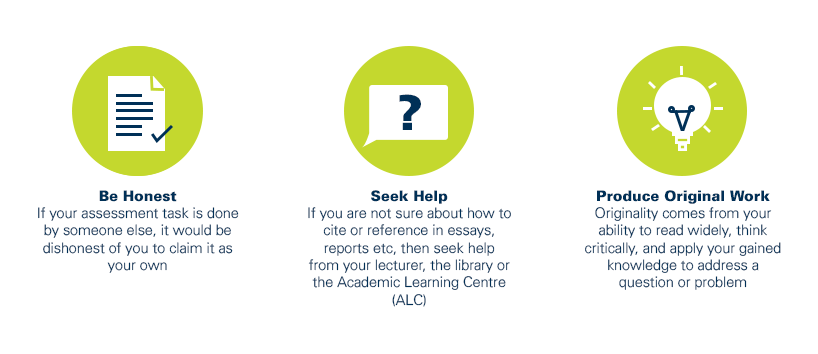
As a CQUniversity student you are expected to act honestly in all aspects of your academic work.
Any assessable work undertaken or submitted for review or assessment must be your own work. Assessable work is any type of work you do to meet the assessment requirements in the unit, including draft work submitted for review and feedback and final work to be assessed.
When you use the ideas, words or data of others in your assessment, you must thoroughly and clearly acknowledge the source of this information by using the correct referencing style for your unit. Using others’ work without proper acknowledgement may be considered a form of intellectual dishonesty.
Participating honestly, respectfully, responsibly, and fairly in your university study ensures the CQUniversity qualification you earn will be valued as a true indication of your individual academic achievement and will continue to receive the respect and recognition it deserves.
As a student, you are responsible for reading and following CQUniversity’s policies, including the Student Academic Integrity Policy and Procedure. This policy sets out CQUniversity’s expectations of you to act with integrity, examples of academic integrity breaches to avoid, the processes used to address alleged breaches of academic integrity, and potential penalties.
What is a breach of academic integrity?
A breach of academic integrity includes but is not limited to plagiarism, self-plagiarism, collusion, cheating, contract cheating, and academic misconduct. The Student Academic Integrity Policy and Procedure defines what these terms mean and gives examples.
Why is academic integrity important?
A breach of academic integrity may result in one or more penalties, including suspension or even expulsion from the University. It can also have negative implications for student visas and future enrolment at CQUniversity or elsewhere. Students who engage in contract cheating also risk being blackmailed by contract cheating services.
Where can I get assistance?
For academic advice and guidance, the Academic Learning Centre (ALC) can support you in becoming confident in completing assessments with integrity and of high standard.
What can you do to act with integrity?