In the Assessments section, Assessment 1, Portfolio, the weighting of Part A and Part B was not made clear. The Overview for Assessment 1 is as follows:
Part A is worth 70% of the total marks available for this assessment item
Part B is worth 30% of the total marks available for this assessment item.
Overview
In this unit you will explore the pathophysiological basis of musculoskeletal conditions. You will attain advanced knowledge and skills in facilitating and interpreting functional assessments and clinical exercise interventions for people with musculoskeletal conditions. You will also critically apply advanced clinical decision-making in selecting and implementing evidence-based assessments and exercise interventions for people with musculoskeletal conditions throughout all stages of their life.
Details
Pre-requisites or Co-requisites
There are no requisites for this unit.
Important note: Students enrolled in a subsequent unit who failed their pre-requisite unit, should drop the subsequent unit before the census date or within 10 working days of Fail grade notification. Students who do not drop the unit in this timeframe cannot later drop the unit without academic and financial liability. See details in the Assessment Policy and Procedure (Higher Education Coursework).
Offerings For Term 1 - 2026
Attendance Requirements
All on-campus students are expected to attend scheduled classes - in some units, these classes are identified as a mandatory (pass/fail) component and attendance is compulsory. International students, on a student visa, must maintain a full time study load and meet both attendance and academic progress requirements in each study period (satisfactory attendance for International students is defined as maintaining at least an 80% attendance record).
Recommended Student Time Commitment
Each 6-credit Postgraduate unit at CQUniversity requires an overall time commitment of an average of 12.5 hours of study per week, making a total of 150 hours for the unit.
Class Timetable
Assessment Overview
Assessment Grading
This is a graded unit: your overall grade will be calculated from the marks or grades for each assessment task, based on the relative weightings shown in the table above. You must obtain an overall mark for the unit of at least 50%, or an overall grade of 'pass' in order to pass the unit. If any 'pass/fail' tasks are shown in the table above they must also be completed successfully ('pass' grade). You must also meet any minimum mark requirements specified for a particular assessment task, as detailed in the 'assessment task' section (note that in some instances, the minimum mark for a task may be greater than 50%). Consult the University's Grades and Results Policy for more details of interim results and final grades.
All University policies are available on the CQUniversity Policy site.
You may wish to view these policies:
- Grades and Results Policy
- Assessment Policy and Procedure (Higher Education Coursework)
- Review of Grade Procedure
- Student Academic Integrity Policy and Procedure
- Academic Progression Policy and Procedure
- Student Refund and Credit Balance Policy and Procedure
- Complaints Policy and Procedure
- Information and Communications Technology Acceptable Use Policy and Procedure
This list is not an exhaustive list of all University policies. The full list of University policies are available on the CQUniversity Policy site.
- Describe and interpret advanced knowledge of the pathophysiology of common musculoskeletal conditions
- Critically apply advanced clinical decision-making in selecting and safely applying evidence-based musculoskeletal assessments and exercise interventions for individuals and population groups throughout all stages of their life
- Demonstrate professional conduct and practice in case management and clinical reporting of musculoskeletal conditions within the Exercise and Sport Science Australia accredited exercise physiology scope of practice, including working autonomously using ethical, culturally sensitive, and professional behaviour at all times.
Learning outcomes of this unit are linked to the following Exercise Physiology Professional Standards for Exercise and Sports Science Australia.
Element 2.2.1: Integrate knowledge of anatomy, physiology, pathophysiology, and other determinants of health and function and apply these to inform safe and effective movement, physical activity, and exercise-based interventions for individuals and population groups throughout all stages of their life
Element 2.2.3: Evaluate physiological responses and adaptations to acute and chronic exercise for clients across the full health spectrum
Element 2.2.4: Evaluate the effect of commonly prescribed medications, diagnostic procedures, medical, surgical, and other interventions on both resting and exercise-related physiological responses across the full health spectrum
Element 2.2.5: Evaluate research findings and apply exercise prescription principles to develop recommendations and interventions, including targeted exercise prescription for the purposes of optimising health status, function, recovery, independence, and participation
Element 3.2.1: Formulate appropriate screening processes to evaluate and stratify risk for participation in assessments and interventions, including consideration of appropriate service modalities for clients
Element 3.2.2: Formulate safe, effective, and culturally sensitive assessments to collect relevant information, social and cultural determinants of health, client history, and client needs, preferences, barriers, facilitators, and goals
Element 3.2.3: Formulate appropriate assessments and outcome measures relevant to treatment and client goals, and evaluate health status, function, capacity, and progress, to inform clinical reasoning and to monitor the delivery and outcomes of interventions
Element 3.2.8: Choose and use relevant technology and equipment efficiently, effectively, and safely
Element 4.2.1: Formulate evidence-based exercise prescription, interventions, and recommendations that address health and treatment related client needs, preferences, goals, and abilities, assessment findings, and social and cultural determinants of health
Alignment of Assessment Tasks to Learning Outcomes
| Assessment Tasks | Learning Outcomes | ||
|---|---|---|---|
| 1 | 2 | 3 | |
| 1 - Portfolio - 40% | |||
| 2 - In-class Test(s) - 20% | |||
| 3 - Practical Assessment - 40% | |||
Alignment of Graduate Attributes to Learning Outcomes
| Graduate Attributes | Learning Outcomes | ||
|---|---|---|---|
| 1 | 2 | 3 | |
| 1 - Knowledge | |||
| 2 - Communication | |||
| 3 - Cognitive, technical and creative skills | |||
| 4 - Research | |||
| 5 - Self-management | |||
| 6 - Ethical and Professional Responsibility | |||
| 7 - Leadership | |||
| 8 - First Nations Knowledges | |||
| 9 - Aboriginal and Torres Strait Islander Cultures | |||
Textbooks
ACSM's Guidelines for Exercise Testing and Prescription
- Edition: 12th (2025)
- Authors: Ozemek Cemal
- Wolters Kluwer
- ISBN: 197521921X
IT Resources
- CQUniversity Student Email
- Internet
- Unit Website (Moodle)
- Micorsoft Office or equivalent (wordprocessing) software for preparation of assessment items in the appropriate format
- Adobe Acrobat Reader (or similar) software for viewing PDF documents
- Laptop/Computer
- Zoom access: microphone and webcam required
All submissions for this unit must use the referencing style: American Psychological Association 7th Edition (APA 7th edition)
For further information, see the Assessment Tasks.
j.guy@cqu.edu.au
n.thorne@cqu.edu.au
Week 1
Begin Date: 09 Mar 2026Module/Topic
Epidemiology and Pathophysiology of Musculoskeletal Conditions
Chapter
Readings will be made available on
the Moodle site.
Events and Submissions/Topic
Tutorial
Week 2
Begin Date: 16 Mar 2026Module/Topic
Functional Anatomy and Rehabilitation of Cervical Spine Conditions
Chapter
Readings will be made available on
the Moodle site.
Events and Submissions/Topic
Tutorial
Week 3
Begin Date: 23 Mar 2026Module/Topic
Functional Anatomy and Rehabilitation of the Shoulder and Upper Limb Conditions
Chapter
Readings will be made available on
the Moodle site.
Events and Submissions/Topic
Tutorial
Week 4
Begin Date: 30 Mar 2026Module/Topic
Functional Anatomy and Rehabilitation of Lumbar Spine Conditions
Chapter
Readings will be made available on
the Moodle site.
Events and Submissions/Topic
Tutorial
Week 5
Begin Date: 06 Apr 2026Module/Topic
Functional Anatomy and Rehabilitation of Hip Conditions
Chapter
Readings will be made available on
the Moodle site.
Events and Submissions/Topic
Tutorial
Week 6
Begin Date: 13 Apr 2026Module/Topic
Functional Anatomy and Rehabilitation of Pelvic Floor Conditions
Chapter
Readings will be made available on
the Moodle site.
Events and Submissions/Topic
Tutorial
Vacation Week
Begin Date: 20 Apr 2026Module/Topic
Chapter
Events and Submissions/Topic
Week 7
Begin Date: 27 Apr 2026Module/Topic
Functional Anatomy and Rehabilitation of Knee Conditions
Chapter
Readings will be made available on
the Moodle site.
Events and Submissions/Topic
Tutorial
Week 8
Begin Date: 04 May 2026Module/Topic
Functional Anatomy and Rehabilitation of the Ankle and Foot Conditions
Chapter
Readings will be made available on
the Moodle site.
Events and Submissions/Topic
Tutorial
Assessment 1: Portfolio (Part A) Due: Week 8 Monday (4 May 2026) 5.00 pm AEST
Week 9
Begin Date: 11 May 2026Module/Topic
Age-related Musculoskeletal Implications ( e.g. Sarcopenia, Degeneration)
Chapter
Readings will be made available on
the Moodle site.
Events and Submissions/Topic
Tutorial
Week 10
Begin Date: 18 May 2026Module/Topic
Overview of the Process of Disease, including Arthritis
- Functional Anatomy and Rehabilitation of Arthritis
Chapter
Readings will be made available on
the Moodle site.
Events and Submissions/Topic
Tutorial
Week 11 - Residential School Block
Begin Date: 25 May 2026Module/Topic
Overview of the Process of Disease, including Osteoporosis
- Functional Anatomy and Rehabilitation of Osteoporosis
Clinical Exercise Physiology: Assessment and Exercise Prescription
Clinical Exercise Physiology: Implementation and Evaluation
Chapter
Readings will be made available on
the Moodle site.
Events and Submissions/Topic
Residential School Attendance
Rockhampton: Friday 29 May - Saturday 30 May 2026
Assessment 1: Portfolio (Part B) 15min- Oral Presentation Due: Week 11 Saturday (30 May 2026), Rockhampton students will complete at the residential school
Assessment 3 Residential School Practical Due: Week 11 Sunday (31st May 2026)
Week 12 - Residential School Block
Begin Date: 01 Jun 2026Module/Topic
Clinical Exercise Physiology: Assessment and Exercise Prescription
Clinical Exercise Physiology: Implementation and Evaluation
Chapter
Readings will be made available on
the Moodle site.
Events and Submissions/Topic
Residential School Attendance
Cairns: Saturday 06 June - Sunday 07 June 2026
Assessment 1: Portfolio (Part B) 15min- Oral Presentation Due: Week 12 Friday (6th June 2026) Cairns students will complete at the residential school
Assessment 3 Residential School Practical Due: Week 12 Saturday (7th June 2026)
Exam Week
Begin Date: 08 Jun 2026Module/Topic
Chapter
Events and Submissions/Topic
Vacation/Exam Week
Begin Date: 15 Jun 2026Module/Topic
Chapter
Events and Submissions/Topic
The unit coordinator for ESSC29001 Clinical Exercise Physiology for Musculoskeletal Conditions is Natasha Thorne.
You can contact Natasha using:
- The discussion forums on the unit's Moodle site; or
- Through email: n.thorne@cqu.edu.au
Unit Content:
The unit content has been developed so that the first week introduces musculoskeletal conditions. The next eight (8) weeks cover functional anatomy and evidence-based rehabilitation protocols for musculoskeletal conditions, and the last three (3) weeks cover age-related processes, disease progression, and rehabilitation principles for musculoskeletal conditions. The learning material(s) for each week are located within the weekly tiles.
Lectures:
The pre-recorded lectures are delivered by Natasha Thorne and will be released progressively throughout the term on the Moodle site. It is expected that students will review the weekly content, including the assigned readings and prerecorded lectures, prior to attending the tutorials.
Tutorials:
All students are strongly encouraged to attend and participate in the weekly tutorials. These tutorials will also be recorded to enable all students to view the content if they are unable to attend the live tutorial. Students will get the most benefit from the tutorials if they watch the weekly lectures beforehand.
Residential School
This unit includes compulsory on-campus activities (residential school). You must attend one (1) of the residential schools as outlined below to pass this unit. Please see the CQUniversity Handbook and the ESSC29001 Moodle site for up-to-date information. Please ensure you complete your residential school location via the class registration option in MyCQU. While every effort is made to ensure the residential schools run on time and finish by 4:00 pm, these finish times may be delayed due to the nature of the activities and assessments taking place. Students should keep this in mind when scheduling flights and accommodation.
- Rockhampton residential school
The residential school for this unit will be held between Friday, 29th May (8:30 am - 4:00 pm) and Saturday, 30th May (8:30 am - 4:00 pm) (Week 11). All students should meet in the upstairs classroom in Building 81, Room 1.17 (Rockhampton North Campus, Yaamba Road, Norman Gardens).
- Cairns residential school (CNS and MIX)
The residential school for this unit will be held between Saturday, 6th June (8:30 am - 4:00 pm) and Sunday, 7th June (8:30 am - 4:00 pm) (Week 12). All students should meet in the classroom above the CQU Exercise and Sport Science labs located at Cairns Basketball (Building 3, Mezzanine, 289 Aumuller Street, Manunda).
Recommended Texts:
Rehabilitation of Musculoskeletal Injuries
Authors: Houglum, P.A, Boyle-Walker, K.L, Houglum, D.E.
Edition: 5th ed. (2023)
Human Kinetics.
ISBN: 978-1-7182-0315-0
This e-book is available from the Human Kinetics website here and operates on the HK Propel platform.
Clinical Exercise Physiology: Exercise Management for Chronic Disease and Special Populations
Authors: Ehrman, J.K., Gordan, P.M., Visich, P.S., Keteyian, S.J.
Edition: 5th ed. (2023)
Human Kinetics
ISBN: 978-1-7182-0044-9
This e-book is available from the Human Kinetics website here and operates on the HK Propel platform.
1 Portfolio
Assessment 1: Portfolio
Weighting: 40%
Word Count: Part A: 2,500–3,000 words | Part B: 15-minute oral presentation (presented at residential school)
In the absence of an approved extension, any submissions received after the due date will incur penalties in accordance with the CQUniversity Assessment Policy and Procedure (Higher Education Coursework).
Overview
This assessment comprises two components:
Part A: Students will select one musculoskeletal condition from a provided list and conduct a critical review of current exercise guidelines and research literature. Based on this review, students will develop a best-practice exercise protocol that includes contraindications, screening processes, assessment methods, and a tailored 12-week exercise program. The protocol must justify clinical reasoning and outline expected acute and chronic physiological responses to exercise.
Part B: Students will deliver a 15-minute individual presentation explaining the developed protocol, its application in clinical practice, and strategies to overcome barriers to implementation across different populations and settings. Both components must be supported by recent, relevant references formatted in APA 7th edition.
The 72-hour grace period does not apply to Part B in this assessment.
Assessment Criteria
- Depth and accuracy of literature review and evidence-based
- Quality and safety of protocol development and exercise program design
- Explanation of physiological responses and adaptations
- Application to practice and problem-solving for barriers
- Professional presentation and communication
- Academic writing and referencing
The written submission (Portfolio - Part A) comprises a literature review and a detailed exercise protocol. This is not an essay but a structured professional document that includes evidence-based recommendations, program design, and clinical reasoning. The written submission will be 2500 – 3000 words in length (not including a cover page and references) and be prepared according to the following instructions:
Document type: Microsoft Word (.doc or .docx)
- Page size: A4
- Font: Calibri 12 point
- Line spacing: Double-spaced throughout
- Language: Australian English
- Margins: 2.54cm on all sides
- Tables and Figures: May be used, but titles and footnotes will be included in the word count
Your submission must be supported by recent (ideally within the past 5-10 years) relevant references from the peer-reviewed literature, as necessary. Do NOT refer to blogs, websites, YouTube videos, or other non-scientific sources. You MUST refer to empirical research, reviews, guidelines, or consensus statements published in the peer-reviewed scientific literature. Your essay will be marked against the criteria described in the Assessment Criteria section below. It will contribute 40% of your overall grade for this unit.
Level of GenAI use allowed:
Level 3 - AI may be used to help complete the task, including idea generation, drafting, feedback, and refinement. Students should critically evaluate and modify the AI-suggested outputs, demonstrating their understanding.
Assessment 1 (Part A) is to be uploaded to Moodle Submissions before the due date cut off time.
Week 10 Monday (18 May 2026)
Marks for Assessment 1 (Part A) will be available 2 weeks following the due date. Marks for Assessment 1 (Part B) will be available 2 weeks following the completion of the residential school.
The portfolio will be marked using the criteria described below.
Part A: Review of Literature and Protocol Development
- Describe the selected musculoskeletal condition, including relevant anatomy, physiology, pathophysiology, and determinants of health and function.
- Critically review current exercise guidelines and research literature to inform best-practice recommendations.
- Outline contraindications to exercise and describe processes for collecting client musculoskeletal history, pre-event exercise levels, client goals, and physiological measurements (e.g., BMI, waist/hip ratio, BP, HR, SpO₂).
- Detail appropriate assessments for cardiorespiratory and musculoskeletal function.
- Develop a 12-week exercise program tailored to the condition, including exercise type, frequency, intensity, time, progression, and provide clinical reasoning for each component using current evidence.
- Explain expected physiological responses to acute exercise bouts (e.g., HR, BP, body temperature, hormonal responses) and adaptations to chronic exercise (e.g., VO₂max, hypertrophy, neural adaptations) resulting from the program.
Part B: Individual Presentation (conducted at residential school)
- Present the developed protocol and explain the processes used in its development.
- Describe how the recommendations can be applied in practice as an Accredited Exercise Physiologist and guide other healthcare professionals.
- Identify potential barriers to implementation across different populations and settings and propose evidence-based solutions.
- Deliver a clear, professional, and engaging presentation using PowerPoint or an equivalent media platform.
- Upload the presentation file to Moodle as part of the online submission requirements.
- Deliver a clear, professional, and engaging presentation using appropriate visual aids.
Referencing
- Use recent, relevant references formatted in APA 7th edition style to support your submission.
Marks will be awarded using a marking rubric available on Moodle.
- Describe and interpret advanced knowledge of the pathophysiology of common musculoskeletal conditions
- Critically apply advanced clinical decision-making in selecting and safely applying evidence-based musculoskeletal assessments and exercise interventions for individuals and population groups throughout all stages of their life
2 In-class Test(s)
Assessment 2: In-Class Test
Weighting: 20%
Attempts: One attempt only
The 72-hour grace period does not apply to this assessment.
Overview
Students will complete a paper-based in-class test at the commencement of the residential school. The test will assess students’ knowledge of physiology, pathophysiology, and other determinants of health and function for common musculoskeletal conditions. It will also evaluate understanding of physiological responses and adaptations to acute and chronic exercise for clients with musculoskeletal conditions.
Question Types: A variety of question styles will be used for this in-class test.
Level of GenAI use allowed:
Level 1 - The assessment is completed entirely without AI assistance in a controlled environment, ensuring that students rely solely on their existing knowledge, understanding, and skills.
Assessment 2 will take place at the students chosen residential school
Vacation/Exam Week Monday (15 June 2026)
Marks for Assessment 2 will be available 2 weeks following the due date.
The in-class test will be marked using the criteria described below:
- Demonstrate advanced knowledge of the anatomy, physiology, and pathophysiology of common musculoskeletal conditions.
- Interpret determinants of health and function relevant to musculoskeletal conditions.
- Explain physiological responses to acute exercise and adaptations to chronic exercise for clients with musculoskeletal conditions.
- Apply clinical reasoning to exercise prescription principles based on evidence-based guidelines.
Marks will be awarded according to accuracy, clarity, and completeness of responses.
- Describe and interpret advanced knowledge of the pathophysiology of common musculoskeletal conditions
3 Practical Assessment
Assessment 3: Residential School Practical Assessment
Weighting: 40%
Attempts: One attempt only
Minimum Pass Requirement: Students must achieve at least 50% in this assessment to pass the unit overall.
The 72-hour grace period does not apply to this assessment.
Overview
Students will complete a practical assessment during the residential school, assuming the role of an Accredited Exercise Physiologist (AEP). Each student will be allocated a case study that includes general client details, health conditions, medications, diagnostic procedures, and relevant medical or surgical interventions.
Students will:
- Review the client’s history, medication use, and diagnostic results to evaluate their impact on physiological responses to exercise.
- Conduct appropriate screening (e.g., blood pressure, heart rate) and perform relevant assessments such as sub-maximal exercise and strength tests using appropriate technology and equipment (e.g., treadmill, cycle ergometer, weights).
- Use this information, along with knowledge of anatomy, physiology, and pathophysiology, to prescribe and deliver a safe and effective acute or long-term exercise intervention.
- Explain how the intervention will be progressed, monitored, and evaluated using clinical reasoning informed by best-practice guidelines.
Students will then swap roles with peers acting as simulated clients and complete a second case scenario.
Question Types
Students will be provided with resources during lectures and tutorials on prescribing and delivering clinical exercise interventions. At the residential school, students will be randomly allocated one case study and deliver the exercise session using their peers as simulated clients.
Requirements
Students must achieve a minimum of 50% in this assessment to pass the unit overall.
Level of GenAI use allowed:
Level 1 - The assessment is completed entirely without AI assistance in a controlled environment, ensuring that students rely solely on their existing knowledge, understanding, and skills.
Assessment 2 will take place at the students chosen residential school
Vacation/Exam Week Monday (15 June 2026)
Feedback will be provided at each residential school. Marks for Assessment 3 will be available 2 weeks following the due date.
The practical assessment will be marked using the criteria described below:
- Demonstrate appropriate professional communication and behaviour throughout the session.
- Select and implement suitable screening and assessment tools for the client’s condition.
- Plan and deliver a safe and effective exercise intervention tailored to the client’s needs.
- Apply clinical reasoning to justify exercise prescription, progression, and monitoring strategies.
Marks will be awarded based on accuracy, safety, professionalism, and application of evidence-based practice outlined in the marking rubric on Moodle.
- Critically apply advanced clinical decision-making in selecting and safely applying evidence-based musculoskeletal assessments and exercise interventions for individuals and population groups throughout all stages of their life
- Demonstrate professional conduct and practice in case management and clinical reporting of musculoskeletal conditions within the Exercise and Sport Science Australia accredited exercise physiology scope of practice, including working autonomously using ethical, culturally sensitive, and professional behaviour at all times.
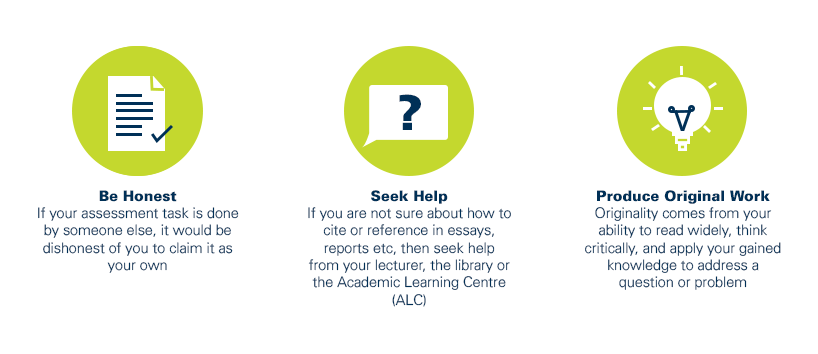
As a CQUniversity student you are expected to act honestly in all aspects of your academic work.
Any assessable work undertaken or submitted for review or assessment must be your own work. Assessable work is any type of work you do to meet the assessment requirements in the unit, including draft work submitted for review and feedback and final work to be assessed.
When you use the ideas, words or data of others in your assessment, you must thoroughly and clearly acknowledge the source of this information by using the correct referencing style for your unit. Using others’ work without proper acknowledgement may be considered a form of intellectual dishonesty.
Participating honestly, respectfully, responsibly, and fairly in your university study ensures the CQUniversity qualification you earn will be valued as a true indication of your individual academic achievement and will continue to receive the respect and recognition it deserves.
As a student, you are responsible for reading and following CQUniversity’s policies, including the Student Academic Integrity Policy and Procedure. This policy sets out CQUniversity’s expectations of you to act with integrity, examples of academic integrity breaches to avoid, the processes used to address alleged breaches of academic integrity, and potential penalties.
What is a breach of academic integrity?
A breach of academic integrity includes but is not limited to plagiarism, self-plagiarism, collusion, cheating, contract cheating, and academic misconduct. The Student Academic Integrity Policy and Procedure defines what these terms mean and gives examples.
Why is academic integrity important?
A breach of academic integrity may result in one or more penalties, including suspension or even expulsion from the University. It can also have negative implications for student visas and future enrolment at CQUniversity or elsewhere. Students who engage in contract cheating also risk being blackmailed by contract cheating services.
Where can I get assistance?
For academic advice and guidance, the Academic Learning Centre (ALC) can support you in becoming confident in completing assessments with integrity and of high standard.
What can you do to act with integrity?