Overview
The Modern World Emerges provides a broad overview of world history from 1500-1900CE. It examines the emergence of new world patterns to 1800 and of the modern world of today. Specific areas of exploration to 1800 include Renaissance, Reformation, Enlightenment and Revolutionary Europe, the New World, Africa, the Muslim Empires, and the East Asian World and political, economic, social and cultural developments in, and interactions between, these spheres. The unit then surveys the 19th and 20th century world of industrialisation and rise of mass society in the West, new imperialism and global war, nationalism, revolution and independence. As an introductory level offering, the unit also introduces students to a preliminary understanding of the problems of historical evidence and emphasizes both discipline-specific and generic skills. Students will require computer and internet access to complete some assessment for this unit. Together with Dawn of Humanity: An Introduction to World History, The Modern World Emerges provides a firm foundation for more specialised history studies offered at CQU.
Details
Pre-requisites or Co-requisites
There are no requisites for this unit.
Important note: Students enrolled in a subsequent unit who failed their pre-requisite unit, should drop the subsequent unit before the census date or within 10 working days of Fail grade notification. Students who do not drop the unit in this timeframe cannot later drop the unit without academic and financial liability. See details in the Assessment Policy and Procedure (Higher Education Coursework).
Offerings For Term 2 - 2026
Attendance Requirements
All on-campus students are expected to attend scheduled classes - in some units, these classes are identified as a mandatory (pass/fail) component and attendance is compulsory. International students, on a student visa, must maintain a full time study load and meet both attendance and academic progress requirements in each study period (satisfactory attendance for International students is defined as maintaining at least an 80% attendance record).
Recommended Student Time Commitment
Each 6-credit Undergraduate unit at CQUniversity requires an overall time commitment of an average of 12.5 hours of study per week, making a total of 150 hours for the unit.
Class Timetable
Assessment Overview
Assessment Grading
This is a graded unit: your overall grade will be calculated from the marks or grades for each assessment task, based on the relative weightings shown in the table above. You must obtain an overall mark for the unit of at least 50%, or an overall grade of 'pass' in order to pass the unit. If any 'pass/fail' tasks are shown in the table above they must also be completed successfully ('pass' grade). You must also meet any minimum mark requirements specified for a particular assessment task, as detailed in the 'assessment task' section (note that in some instances, the minimum mark for a task may be greater than 50%). Consult the University's Grades and Results Policy for more details of interim results and final grades.
All University policies are available on the CQUniversity Policy site.
You may wish to view these policies:
- Grades and Results Policy
- Assessment Policy and Procedure (Higher Education Coursework)
- Review of Grade Procedure
- Student Academic Integrity Policy and Procedure
- Academic Progression Policy and Procedure
- Student Refund and Credit Balance Policy and Procedure
- Complaints Policy and Procedure
- Information and Communications Technology Acceptable Use Policy and Procedure
This list is not an exhaustive list of all University policies. The full list of University policies are available on the CQUniversity Policy site.
Feedback, Recommendations and Responses
Every unit is reviewed for enhancement each year. At the most recent review, the following staff and student feedback items were identified and recommendations were made.
Feedback from Student in class feedback
Lecture slides were text-heavy
Update lectures to include audio and visual sources
Feedback from Student in class feedback
Not enough in class discussion
The quiz will be retired and replaced with a group discussion assessment
- Have a broad knowledge of the political, economic, social and cultural history of major world civilizations and their interactions from c1500 to c1900;
- Have an unprejudiced understanding of the differing worldviews of these civilizations and an acceptance of others' informed opinions;
- Have an understanding of key historical problems of the period and evidence-backed solutions to these problems.
- Have the ability to explain the significance of historical events and processes in world history, including alternative worlds, and longitudinal and intergenerational studies
- Have the ability to critique historical interpretations and their applications to contemporary global issues
Nil
Alignment of Assessment Tasks to Learning Outcomes
| Assessment Tasks | Learning Outcomes | ||||
|---|---|---|---|---|---|
| 1 | 2 | 3 | 4 | 5 | |
| 1 - Presentation - 30% | |||||
| 2 - Written Assessment - 40% | |||||
| 3 - Group Discussion - 30% | |||||
Alignment of Graduate Attributes to Learning Outcomes
| Graduate Attributes | Learning Outcomes | ||||
|---|---|---|---|---|---|
| 1 | 2 | 3 | 4 | 5 | |
| 1 - Communication | |||||
| 2 - Problem Solving | |||||
| 3 - Critical Thinking | |||||
| 4 - Information Literacy | |||||
| 5 - Team Work | |||||
| 6 - Information Technology Competence | |||||
| 7 - Cross Cultural Competence | |||||
| 8 - Ethical practice | |||||
| 9 - Social Innovation | |||||
| 10 - First Nations Knowledges | |||||
| 11 - Aboriginal and Torres Strait Islander Cultures | |||||
Textbooks
There are no required textbooks.
IT Resources
- CQUniversity Student Email
- Internet
- Unit Website (Moodle)
All submissions for this unit must use the referencing style: Turabian
For further information, see the Assessment Tasks.
b.t.jones@cqu.edu.au
Week 1
Begin Date: 13 Jul 2026Module/Topic
What (and when) is Modernity?
Chapter
Moodle Lesson 1
Events and Submissions/Topic
Week 2
Begin Date: 20 Jul 2026Module/Topic
Renaissance and Reformation
Chapter
Lesson 2
Events and Submissions/Topic
Week 3
Begin Date: 27 Jul 2026Module/Topic
European Age of Exploration and Discovery
Chapter
Lesson 3
Events and Submissions/Topic
Week 4
Begin Date: 03 Aug 2026Module/Topic
Enlightenment: Liberty for Women and Men
Chapter
Lesson 4
Events and Submissions/Topic
Week 5
Begin Date: 10 Aug 2026Module/Topic
Age of Revolution
Chapter
Lesson 5
Events and Submissions/Topic
Week 6
Begin Date: 17 Aug 2026Module/Topic
Muslim Empires and East Asia
Chapter
Lesson 6
Events and Submissions/Topic
Vacation Week
Begin Date: 24 Aug 2026Module/Topic
Chapter
Events and Submissions/Topic
Week 7
Begin Date: 31 Aug 2026Module/Topic
Industrialisation and Nationalism
Chapter
Lesson 7
Events and Submissions/Topic
Week 8
Begin Date: 07 Sep 2026Module/Topic
Mass Society
Chapter
Lesson 8
Events and Submissions/Topic
Week 9
Begin Date: 14 Sep 2026Module/Topic
Imperialism
Chapter
Lesson 9
Events and Submissions/Topic
Week 10
Begin Date: 21 Sep 2026Module/Topic
China and Japan after 1800
Chapter
Lesson 10
Events and Submissions/Topic
Week 11
Begin Date: 28 Sep 2026Module/Topic
India and South East Asia
Chapter
Lesson 11
Events and Submissions/Topic
Week 12
Begin Date: 05 Oct 2026Module/Topic
Darwin and Evolution
Chapter
Lesson 12
Events and Submissions/Topic
Exam Week
Begin Date: 12 Oct 2026Module/Topic
Chapter
Events and Submissions/Topic
Vacation/Exam Week
Begin Date: 19 Oct 2026Module/Topic
Chapter
Events and Submissions/Topic
1 Presentation
Between weeks 7, 8, and 9 students are required to give an oral presentation during the tutorial. Students must choose one key thinker and answer 3 questions: What is the significance of their work, how did they help shape the modern world, and are they still relevant today? The presentation should be about 5 minutes long and include power point slides (or a similar program). The presentation should include key quotes from the author and references to at least two scholarly books or articles accessed through the CQU library. Following the presentation there will be 5 minutes of questions. To answer the questions effectively, students must read not only the text from the key thinker but about their life.
Use of Generative Artificial Intelligence agents (Gen AI)
Within this assessment, the use of Microsoft Copilot, Chat GPT or other Gen AI agents is as follows:
• Gen AI content is used to generate ideas and general structures.
Week 9 Monday (14 Sept 2026) 11:45 pm AEST
Oral presentation must be completed in week 7, 8, or 9
Assessment Criteria:
Demonstrate a strong understanding of the key thinker and their major work
Respond effectively to the questions: What is the significance of their work, how did they help shape the modern world, and are they still relevant today?
Offer intelligent responses to questions about the key thinker's life and work.
No submission method provided.
- Have a broad knowledge of the political, economic, social and cultural history of major world civilizations and their interactions from c1500 to c1900;
- Have an unprejudiced understanding of the differing worldviews of these civilizations and an acceptance of others' informed opinions;
- Have an understanding of key historical problems of the period and evidence-backed solutions to these problems.
- Have the ability to explain the significance of historical events and processes in world history, including alternative worlds, and longitudinal and intergenerational studies
- Have the ability to critique historical interpretations and their applications to contemporary global issues
2 Written Assessment
Select ONE (1) essay question and write an essay of 2,000 words, providing footnotes and a Bibliography in the Turabian Referencing system.
Please see more details and the choice of Questions on Moodle under the Assessment tile.
Use of Generative Artificial Intelligence agents (Gen AI)
Within this assessment, the use of Microsoft Copilot, Chat GPT or other Gen AI agents is as follows:
• Gen AI content is used to generate ideas and general structures.
The word count is considered from the first word of the Introduction to the last word of the Conclusion. It excludes the cover page, abstract, contents page, reference page and appendices. It includes in-text references and direct quotations.
Week 12 Monday (5 Oct 2026) 11:45 pm AEST
Submit via the Moodle site.
Vacation/Exam Week Monday (19 Oct 2026)
Returned within 14 days of receipt of the essay.
Historical content:
* presentation of accurate, relevant and balanced historical evidence
* sound and non-judgmental interpretation of the historical problem
Research/referencing skills:
* thorough research based on scholarly sources
* reflection of relevant readings/lecture materials
* acknowledgement of all sources of ideas/evidence
* correct use of the Turabian system referencing style
Writing skills:
* clear, concise and correct written English
* logical structure/organisation of ideas
* clarity of argument/explanation in response to the question
* use of formal essay style
* meeting the required number of words, the bulk of which should be your own wording
- Have a broad knowledge of the political, economic, social and cultural history of major world civilizations and their interactions from c1500 to c1900;
- Have an unprejudiced understanding of the differing worldviews of these civilizations and an acceptance of others' informed opinions;
- Have an understanding of key historical problems of the period and evidence-backed solutions to these problems.
- Have the ability to explain the significance of historical events and processes in world history, including alternative worlds, and longitudinal and intergenerational studies
- Have the ability to critique historical interpretations and their applications to contemporary global issues
3 Group Discussion
During the tutorials from weeks 2-5 students will have an opportunity to lead the group discussion. Students should choose one week to give a talk of about 5 minutes. This should include some comments on the compulsory readings and the lecture and show that close attention has been paid to the themes of that particular week, especially the key thinker. Students should highlight anything they found particularly interesting or surprising and explain what this theme tells us about the modern world emerging. Finally, you should throw a question to the class prompted by the week’s theme. Students are assessed not only on their talk but their willingness to engage in the discussion and respond to the prompting questions from other students.
Use of Generative Artificial Intelligence agents (Gen AI)
Within this assessment, the use of Microsoft Copilot, Chat GPT or other Gen AI agents is as follows:
• Gen AI content is used to generate ideas and general structures.
Week 5 Monday (10 Aug 2026) 11:45 pm AEST
Lead the group discussion in one tutorial between weeks 2-5.
Assessment Criteria:
* Clear evidence that the lecture has been listened to and considered and that the compulsory readings were completed.
* A good understanding of the significance of the key thinker is demonstrated
* An appropriate question is put to the class
* Engagement with the group discussion
No submission method provided.
- Have a broad knowledge of the political, economic, social and cultural history of major world civilizations and their interactions from c1500 to c1900;
- Have an unprejudiced understanding of the differing worldviews of these civilizations and an acceptance of others' informed opinions;
- Have an understanding of key historical problems of the period and evidence-backed solutions to these problems.
- Have the ability to explain the significance of historical events and processes in world history, including alternative worlds, and longitudinal and intergenerational studies
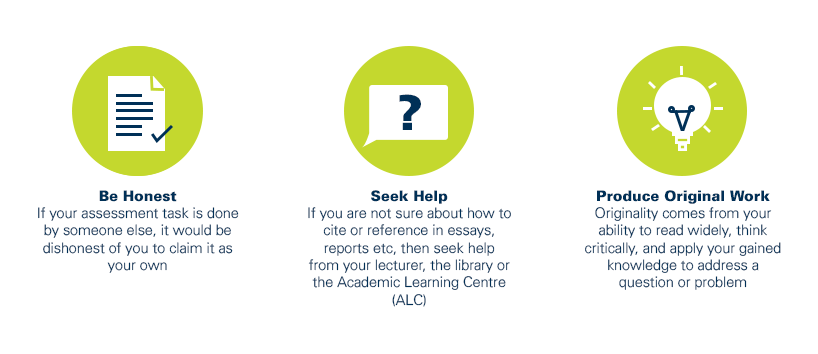
As a CQUniversity student you are expected to act honestly in all aspects of your academic work.
Any assessable work undertaken or submitted for review or assessment must be your own work. Assessable work is any type of work you do to meet the assessment requirements in the unit, including draft work submitted for review and feedback and final work to be assessed.
When you use the ideas, words or data of others in your assessment, you must thoroughly and clearly acknowledge the source of this information by using the correct referencing style for your unit. Using others’ work without proper acknowledgement may be considered a form of intellectual dishonesty.
Participating honestly, respectfully, responsibly, and fairly in your university study ensures the CQUniversity qualification you earn will be valued as a true indication of your individual academic achievement and will continue to receive the respect and recognition it deserves.
As a student, you are responsible for reading and following CQUniversity’s policies, including the Student Academic Integrity Policy and Procedure. This policy sets out CQUniversity’s expectations of you to act with integrity, examples of academic integrity breaches to avoid, the processes used to address alleged breaches of academic integrity, and potential penalties.
What is a breach of academic integrity?
A breach of academic integrity includes but is not limited to plagiarism, self-plagiarism, collusion, cheating, contract cheating, and academic misconduct. The Student Academic Integrity Policy and Procedure defines what these terms mean and gives examples.
Why is academic integrity important?
A breach of academic integrity may result in one or more penalties, including suspension or even expulsion from the University. It can also have negative implications for student visas and future enrolment at CQUniversity or elsewhere. Students who engage in contract cheating also risk being blackmailed by contract cheating services.
Where can I get assistance?
For academic advice and guidance, the Academic Learning Centre (ALC) can support you in becoming confident in completing assessments with integrity and of high standard.
What can you do to act with integrity?