Overview
On completion of this unit, you will be able to describe and advise on the clinical significance of bacteria, viruses, fungi and parasites causing human disease. You will oversee the investigation of the morphological characteristics, epidemiology, laboratory identification of these microorganisms and will be able to provide advice on the causes of bacterial, mycological, parasitic and viral infectious diseases. You will describe the life cycle of important parasites and their relevance to disease control. You will be able to interpret complex serological test results related to the detection of human pathogenic viruses.
Details
Pre-requisites or Co-requisites
PrerequisiteLMED28004 Infectious Diseases 1
Important note: Students enrolled in a subsequent unit who failed their pre-requisite unit, should drop the subsequent unit before the census date or within 10 working days of Fail grade notification. Students who do not drop the unit in this timeframe cannot later drop the unit without academic and financial liability. See details in the Assessment Policy and Procedure (Higher Education Coursework).
Offerings For Term 1 - 2026
Attendance Requirements
All on-campus students are expected to attend scheduled classes - in some units, these classes are identified as a mandatory (pass/fail) component and attendance is compulsory. International students, on a student visa, must maintain a full time study load and meet both attendance and academic progress requirements in each study period (satisfactory attendance for International students is defined as maintaining at least an 80% attendance record).
Recommended Student Time Commitment
Each 6-credit Postgraduate unit at CQUniversity requires an overall time commitment of an average of 12.5 hours of study per week, making a total of 150 hours for the unit.
Class Timetable
Assessment Overview
Assessment Grading
This is a graded unit: your overall grade will be calculated from the marks or grades for each assessment task, based on the relative weightings shown in the table above. You must obtain an overall mark for the unit of at least 50%, or an overall grade of 'pass' in order to pass the unit. If any 'pass/fail' tasks are shown in the table above they must also be completed successfully ('pass' grade). You must also meet any minimum mark requirements specified for a particular assessment task, as detailed in the 'assessment task' section (note that in some instances, the minimum mark for a task may be greater than 50%). Consult the University's Grades and Results Policy for more details of interim results and final grades.
All University policies are available on the CQUniversity Policy site.
You may wish to view these policies:
- Grades and Results Policy
- Assessment Policy and Procedure (Higher Education Coursework)
- Review of Grade Procedure
- Student Academic Integrity Policy and Procedure
- Academic Progression Policy and Procedure
- Student Refund and Credit Balance Policy and Procedure
- Complaints Policy and Procedure
- Information and Communications Technology Acceptable Use Policy and Procedure
This list is not an exhaustive list of all University policies. The full list of University policies are available on the CQUniversity Policy site.
Feedback, Recommendations and Responses
Every unit is reviewed for enhancement each year. At the most recent review, the following staff and student feedback items were identified and recommendations were made.
Feedback from SUTE, email and verbal feedback
Students enjoyed industry based guest lecturers
Consider retaining current selection of industry professional teaching staff for continuity and consistency.
Feedback from self-refection and verbal feedback
Students valued the interactive lectorial style/flipped classroom teaching, with short pre-recorded videos (in Moodle) and interactive questions and cases in live classes
Continue with the current teaching format and style.
- Provide expert opinion on the clinical significance and laboratory detection of the principal bacterial, viral, fungal and parasitic pathogens of each of the human body systems
- Critique new techniques for identifying bacteria, viruses, fungi and parasites causing human disease
- Recommend antimicrobial therapy to treat and manage infectious diseases caused by bacteria, viruses, fungi and parasites
- Appraise different testing methods used in the detection and monitoring of infectious diseases caused by bacteria, viruses, fungi and parasites
- Develop and implement appropriate quality control processes for the practice of bacteriology, virology, mycology and parasitology.
Alignment of Assessment Tasks to Learning Outcomes
| Assessment Tasks | Learning Outcomes | ||||
|---|---|---|---|---|---|
| 1 | 2 | 3 | 4 | 5 | |
| 1 - Written Assessment - 20% | |||||
| 2 - Case Study - 30% | |||||
| 3 - Examination - 50% | |||||
Alignment of Graduate Attributes to Learning Outcomes
| Graduate Attributes | Learning Outcomes | ||||
|---|---|---|---|---|---|
| 1 | 2 | 3 | 4 | 5 | |
| 1 - Knowledge | |||||
| 2 - Communication | |||||
| 3 - Cognitive, technical and creative skills | |||||
| 4 - Research | |||||
| 5 - Self-management | |||||
| 6 - Ethical and Professional Responsibility | |||||
| 7 - Leadership | |||||
| 8 - First Nations Knowledges | |||||
| 9 - Aboriginal and Torres Strait Islander Cultures | |||||
Textbooks
There are no required textbooks.
Additional Textbook Information
Information regarding student learning resources will be provided progressively during the term, as they are topic-specific.
IT Resources
- CQUniversity Student Email
- Internet
- Unit Website (Moodle)
All submissions for this unit must use the referencing style: Vancouver
For further information, see the Assessment Tasks.
j.jazayeri@cqu.edu.au
Week 1–Historical Pandemics
Begin Date: 09 Mar 2026Module/Topic
The topic will encompass an outline of the most recent and some historic pandemics, along with a recap of key lessons learned from these events and an emphasis on the importance of ongoing research and vigilance in global health.
Chapter
There is no prescribed textbook for this topic. Please review the lecture materials and recordings available on Moodle prior to your tutorial/lectorial session, along with the additional resources provided for Week 1.
Events and Submissions/Topic
The mechanisms of action and the causative agents behind various historical pandemics will also be discussed.
Week 2–Travel-Related Infections
Begin Date: 16 Mar 2026Module/Topic
The topic on travel-related infections will comprehensively explore the spectrum of diseases associated with global travel. It will delve into the common types of infections encountered during travel, examining their modes of transmission, risk
factors, and preventive measures.
Chapter
There is no prescribed textbook for this topic. Please review the lecture materials and recordings available on Moodle prior to your tutorial/lectorial session, along with the additional resources provided for Week 2.
Events and Submissions/Topic
The lecture will cover a variety of topics pertinent to travelers' health, encompassing gastrointestinal infections like Traveler's Diarrhea, as well as vector-borne diseases such as Malaria, Dengue Fever, and Zika Virus, alongside vaccination
recommendations.
Week 3–Superbugs
Begin Date: 23 Mar 2026Module/Topic
The topic on superbugs will address the emergence of antibiotic-resistant bacteria, exploring the factors contributing to their development and the potential consequences for public
health.
Chapter
There is no prescribed textbook for this topic. Please review the lecture materials and recordings available on Moodle prior to your tutorial/lectorial session, along with the additional resources provided for Week 3.
Events and Submissions/Topic
This week, we will explore the topic of superbugs, elucidating their distinctions from regular bacteria. Additionally, we will delve into the mechanisms of antibiotic resistance, the global challenges posed by superbugs, strategies for promoting the responsible use of antibiotics and antivirals, and methods for combating overprescribing and misuse of antimicrobial drugs.
Week 4–Advanced Diagnostics 1
Begin Date: 30 Mar 2026Module/Topic
The topic will continue to explore advanced technologies used for the detection and identification of microorganisms. It will cover key techniques such as antibiotic susceptibility testing (AST), the BioMérieux VITEK® 2 system, and MALDI-TOF mass spectrometry.
Chapter
There is no prescribed textbook for this topic. Please review the lecture materials and recordings available on Moodle prior to your tutorial/lectorial session, along with the additional resources provided for Week 4.
Events and Submissions/Topic
The topics will cover the mechanisms and pros and cons of modern microbiological identification and susceptibility testing compared to traditional methods. This week's lecture will be deliver by Melissa Swanson
Week 5– Advanced Diagnostics 2 and Quality Control in Diagnostic Microbiology Laboratory
Begin Date: 06 Apr 2026Module/Topic
This week’s lecture is divided into three parts. In Part 1, we will cover the latex bead agglutination test. Part 2 will focus on immunochromatographic lateral flow strip tests. Part 3 will address quality control and laboratory management in the diagnostic microbiology laboratory.
Chapter
There is no prescribed textbook for this topic. Please review the lecture materials and recordings available on Moodle prior to your tutorial/lectorial session, along with the additional resources provided for Week 5.
.
Events and Submissions/Topic
Principles underlying some of the most common diagnostic microbiology laboratory techniques. This week’s lecture will be delivered by Melissa Swanson.
Week 6–Nosocomial Infections
Begin Date: 13 Apr 2026Module/Topic
This week we will focus on nosocomial infections, which are common healthcare-associated infections affecting multiple body systems and are often linked to poor hygiene, antibiotic use, invasive devices, and antimicrobial resistance. These infections highlight the critical importance of effective infection control practices in healthcare settings.
Chapter
There is no prescribed textbook for this topic. Please review the lecture materials and recordings available on Moodle prior to your tutorial/lectorial session, along with the additional resources provided for Week 6.
Events and Submissions/Topic
Understand the profile, underlying mechanisms, and causes of nosocomial infections
Vacation Week
Begin Date: 20 Apr 2026Module/Topic
Chapter
Events and Submissions/Topic
Week 7–Infection Control Measures
Begin Date: 27 Apr 2026Module/Topic
This topic outlines healthcare-associated infections (HAIs), antimicrobial resistance, and infection transmission. It covers infection control strategies, including breaking the chain of infection, the role of infection control teams, standard and transmission-based precautions, and staff immunization and exposure management.
Chapter
There is no prescribed textbook for this topic. Please review the lecture materials and recordings available on Moodle prior to your tutorial/lectorial session, along with the additional resources provided for Week 7.
Events and Submissions/Topic
This week's lecture will be deliver by Dr. Brenda Govan
The online assessment will open this week from 9:00 AM on Monday, 27th April, and will remain open for submission until 9:00 PM same day.
Mid-term assessment Due: Week 7 Monday (27 Apr 2026) 9:00 pm AEST
Week 8–Infectious Diseases and Global Health
Begin Date: 04 May 2026Module/Topic
This week’s lecture is divided into two parts. Part 1 focuses on global health and infectious diseases from a healthcare perspective, examining risk transition and how factors such as urbanisation and civil unrest influence infectious disease patterns and public health challenges.
Part 2 explores the principles of universal health coverage, the role of community engagement, and the intent of the Sustainable Development Goals, with emphasis on how these elements shape global health outcomes and the changing patterns of disease worldwide.
Chapter
There is no prescribed textbook for this topic. Please review the lecture materials and recordings available on Moodle prior to your tutorial/lectorial session, along with the additional resources provided for Week 8.
Events and Submissions/Topic
Understanding global health, the SDGs, and universal health coverage supports equitable care and helps identify emerging health risks
This week's lecture and tutorial sessions will be delivered by A/Prof Brenda Govan, who has extensive experience in biomedicine, clinical and diagnostic microbiology, and immunology.
Week 9–Foodborne and Waterborne Infections
Begin Date: 11 May 2026Module/Topic
This week’s lecture topics will focus on some of the most common foodborne and waterborne infections, including gastroenteritis, salmonellosis, listeriosis, giardiasis, shigellosis, and campylobacteriosis.
Chapter
There is no prescribed textbook for this topic. Please review the lecture materials and recordings available on Moodle prior to your tutorial/lectorial session, along with the additional resources provided for Week 9.
Events and Submissions/Topic
Understand the profile, underlying mechanisms, and causes of foodborne and waterborne infections.
Week 10–Automation in Microbiology Laboratories
Begin Date: 18 May 2026Module/Topic
This topic will explore the applications of automation in microbiology laboratories. It will examine how advanced technologies—such as robotic systems, automated incubation, digital imaging, and laboratory information management systems (LIMS)—are utilised to enhance efficiency, standardisation, workflow management, and accuracy in specimen processing, culture analysis, and colony identification.
Chapter
There is no prescribed textbook for this topic. Please review the lecture materials and recordings available on Moodle prior to your tutorial/lectorial session, along with the additional resources provided for Week 10.
Events and Submissions/Topic
This week's lecture and tutorial sessions will be delivered by Lisa Brenton, Deputy Principal Scientist in Microbiology at St Vincent’s Melbourne. Lisa has extensive experience in supervising modern microbiology diagnostic laboratories.
Assessment 2: Research Paper Due: Week 10 Monday (18 May 2026) 11:59 pm AEST
Week 11–mRNA and DNA Vaccines -
Begin Date: 25 May 2026Module/Topic
This topic will comprehensively cover mRNA-based and new-generation DNA vaccines, exploring their mechanisms,
development processes, and applications in the field of
immunization. The discussion will focus on the revolutionary advancements in vaccine technology, emphasizing the unique features and potential benefits of these cutting-edge approaches.
Chapter
There is no prescribed textbook for this topic. Please review the lecture materials and recordings available on Moodle prior to your tutorial/lectorial session, along with the additional resources provided for Week 11.
Events and Submissions/Topic
This module comprehensively addresses mRNA and DNA vaccines, initiating with a grasp of their fundamental principles and delving into the intricacies of production. It covers the mechanisms, advantages, and quality control measures in mRNA and DNA vaccine manufacturing.
Week 12–Revision- All Topics
Begin Date: 01 Jun 2026Module/Topic
This week, a general revision session will be held to review and consolidate all topics covered in the unit, providing an opportunity to clarify key concepts and address any remaining questions.
Chapter
No prescribed textbook for this topic. Please review the lecture material and recordings available for weeks 6-12 in Moodle prior to your tutorial session.
Events and Submissions/Topic
A comprehensive review session encompassing all topics will be conducted. This session will provide an opportunity to revisit and reinforce the key concepts, address any areas of confusion, and ensure a clear understanding of the material.
Exam Week
Begin Date: 08 Jun 2026Module/Topic
Chapter
Events and Submissions/Topic
Vacation/Exam Week
Begin Date: 15 Jun 2026Module/Topic
Chapter
Events and Submissions/Topic
Your unit coordinator for this subject is Dr Jalal Jazayeri who is based in Melbourne. Your primary contact point is Jalal, and you can contact him using the following means:
1. Through email: j.jazayeri@cqu.edu.au
2. Via the subject forum on the unit's Moodle site.
3. Via Teams
Tutorials are delivered live each week to students based in Melbourne, Rockhampton and Sydney, and streamed online to MIXed mode enrolled students via zoom.
All sessions will be recorded to support students who are unable to attend the live classes. These sessions provide an opportunity to ask questions, clarify concepts, and discuss any uncertainties related to the weekly lecture materials and recordings. A range of active learning activities will be incorporated to assess and reinforce your understanding of the content. These may include group and individual tasks, short-answer questions, case studies, and structured discussions. We will also review and critically discuss a selected set of questions related to the prescribed peer-reviewed article or other pre-tutorial/lectorial learning materials for the week.
The active learning components are designed to help you apply the knowledge gained from lectures and pre-class preparation, and to support your readiness for assessments. To maximise the benefit of these sessions, you are strongly encouraged to review the weekly lecture recordings and complete the required readings prior to attending. Active participation in tutorials is highly recommended. Evidence suggests that students who attend and engage in discussions demonstrate higher levels of academic success (Karnik et al., 2020).
In accordance with Australian higher education standards, you are expected to commit approximately 150 hours of engagement to this unit. As per Australian educational standards, you are expected to commit 150 hours of engagement to your study of this unit. This is broken down as:
- 2 - 3 hours per week watching recorded lectures and revising the content through study notes
- 2 - 3 hours per week reviewing the peer-reviewed article provided in Moodle and other relevant resources
available for each week - 1.5 - 2.5 hours per week attending the weekly tutorial/lectorial classes and reflecting on your answers to the
activities undertaken during class, identifies areas of uncertainly that still remain and discussing this/these with
other fellow students or the teaching staff. - 3 - 4 hours per week preparing your assessments or studying for your exams
Karnik, A., Kishore, P., & Meraj, M. (2020). Examining the linkage between class attendance at university and academic performance in an International Branch Campus setting. Research in Comparative and International Education, 15(4), 371-390. https://doi.org/10.1177/1745499920958855
1 Written Assessment
The mid-term assessment is designed to evaluate your understanding of the learning objectives and activities covered in Weeks 1 to 5, including all pre-tutorial materials such as lecture notes, recorded lectures, videos, and associated resources. The assessment may include a range of question types, such as terminology-based questions, sequencing or process-related tasks, short- and long-answer questions, extended responses, and case-based scenarios. The format will be comparable to that of the final examination.
The assessment will open at 9:00 AM and close at 9:00 PM, providing a 12-hour window during which students may commence the test. However, once a student begins the assessment, they will have 2 hours and 15 minutes to complete and submit it.
This assessment is worth 20% of your final grade. The mid-term assessment serves both an evaluative and formative purpose. It enables you to gauge your progress at the midpoint of the term, identify areas of strength and areas requiring further development, and become familiar with the structure and question types that will be encountered in the final examination.
The level of Gen AI Allowed: Level 1 'No AI' which indicates that the assessment is completed entirely without Al assistance in a controlled environment, ensuring that students rely solely on their existing knowledge, understanding, and skills
Week 7 Monday (27 Apr 2026) 9:00 pm AEST
Please note that this assessment will be open from 9:00 AM on Monday 27th April until 9:00 PM on the same day.
Week 9 Monday (11 May 2026)
Via subject Moodle site
The marking criteria will be outlined in the test. Marks will range from 1–2 for short responses and 4–10 for more detailed answers requiring comprehensive information. Support and examples of likely question types will be provided during your scheduled classes to help you understand the assessment expectations. Regular attendance and active participation in weekly classes are strongly encouraged. Prepare for each class by reviewing any pre-class materials and ask questions if you are unsure about anything. If you still have uncertainties after the weekly tutorial, post your questions on the Discussion Forum and engage with your peers, academics, and Unit Coordinators to clarify any doubts. This proactive approach will ensure you are well-prepared and give you the best chance of performing successfully in this assessment.
- Provide expert opinion on the clinical significance and laboratory detection of the principal bacterial, viral, fungal and parasitic pathogens of each of the human body systems
- Recommend antimicrobial therapy to treat and manage infectious diseases caused by bacteria, viruses, fungi and parasites
- Develop and implement appropriate quality control processes for the practice of bacteriology, virology, mycology and parasitology.
2 Case Study
For this assessment, you are required to select one topic from the list of pathogenic infections provided on the subject Moodle site and prepare a report presenting your findings. Ensure your report adheres to the format and instructions outlined below. A detailed marking rubric is also available on the Moodle site. While the assessment is based on lecture topics, completing it will require additional research. Regular attendance, active participation, and engagement in tutorial sessions are highly recommended to support your understanding. If you have any questions or concerns, please post them on the Discussion Forum.
Format Instructions:
To select a topic, please visit the subject Moodle site and navigate to Assessment 2 – Topic Selection, where you will find a list of 25 available research topics. Each topic may be selected by a maximum of two students. Allocation operates strictly on a first-come, first-served basis. Once two students have selected a topic, it will no longer be available, and you will need to choose an alternative from the remaining options.
Please ensure that your topic is selected by the end of Week 2 (Friday, 20 March, at 5:00 PM). After this deadline, the topic selection portal will close and no further selections or changes will be permitted.
Please follow the format outlined below when preparing your assessment:
- Introduction:
Briefly introduce the infectious disease, providing insights into its historical context and global prevalence. Emphasize the significance of the disease as a public health concern. - Causative Agent:
Clearly identify and describe the causative agent responsible for the infectious disease. Outline if the infectious disease is parasitic, elucidate its life cycle. - Epidemiology and Geography:
Investigate the global distribution of the disease-causing agent.
Examine regions with high prevalence and explore the contributing factors to its spread. - Clinical Manifestations:
Describe the symptoms and clinical manifestations associated with the infectious disease. - Life Cycle and Transmission for Parasites:
Detail the modes of transmission of the infectious disease, particularly if it involves parasites. - Diagnosis and treatment options:
Examine the diagnostic methods employed for confirming the disease.
Investigate current treatment options, including antibacterial, antiviral, antifungal, or parasitic medications. - Prevention Strategies and Control:
Explore preventive measures aimed at controlling the spread of the infectious disease. - Impact on Society and Public Health:
Analyze the socio-economic impact of the disease on affected communities.
Discuss the burden on healthcare systems and potential long-term consequences. - Control Measures: Discuss primary, secondary, and tertiary measures (e.g., vaccination, early detection, managing complications). Highlight specific interventions like quarantine, isolation, vaccination, or public education.
- Conclusion:
Summarize key findings from the research.
Highlight emerging trends or advancements in the field, particular
Level of Gen AI allowed: Level 2- AI Planning- Al may be used for pre-task activities such as brainstorming, outlining and initial research. This level focuses on the effective use of Al for planning, synthesis, and ideation, but assessments should emphasise the ability to develop and refine these ideas independently.
Week 10 Monday (18 May 2026) 11:59 pm AEST
Please submit online via subject Moodle site
Week 12 Monday (1 June 2026)
Via subject Moodle site
This assessment task will be evaluated based on the following criteria:
- Demonstrated understanding of the selected infectious disease and its causative agent
- Accuracy and depth of discussion on epidemiology, clinical manifestations, transmission, diagnosis, prevention, and treatment
- Quality and relevance of literature used to support the discussion
- Logical structure, clarity of expression, and appropriate use of headings and subheadings
- Ability to critically analyze and synthesize information from multiple sources
- Appropriate referencing using the required citation style
- Overall presentation, including academic writing style, grammar, and spelling
- Critique new techniques for identifying bacteria, viruses, fungi and parasites causing human disease
- Appraise different testing methods used in the detection and monitoring of infectious diseases caused by bacteria, viruses, fungi and parasites
Examination
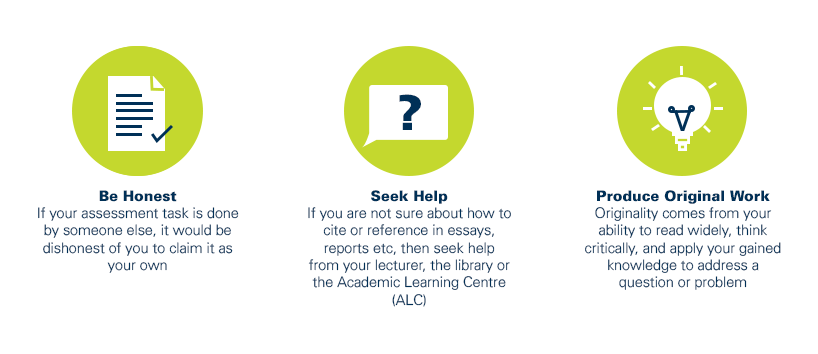
As a CQUniversity student you are expected to act honestly in all aspects of your academic work.
Any assessable work undertaken or submitted for review or assessment must be your own work. Assessable work is any type of work you do to meet the assessment requirements in the unit, including draft work submitted for review and feedback and final work to be assessed.
When you use the ideas, words or data of others in your assessment, you must thoroughly and clearly acknowledge the source of this information by using the correct referencing style for your unit. Using others’ work without proper acknowledgement may be considered a form of intellectual dishonesty.
Participating honestly, respectfully, responsibly, and fairly in your university study ensures the CQUniversity qualification you earn will be valued as a true indication of your individual academic achievement and will continue to receive the respect and recognition it deserves.
As a student, you are responsible for reading and following CQUniversity’s policies, including the Student Academic Integrity Policy and Procedure. This policy sets out CQUniversity’s expectations of you to act with integrity, examples of academic integrity breaches to avoid, the processes used to address alleged breaches of academic integrity, and potential penalties.
What is a breach of academic integrity?
A breach of academic integrity includes but is not limited to plagiarism, self-plagiarism, collusion, cheating, contract cheating, and academic misconduct. The Student Academic Integrity Policy and Procedure defines what these terms mean and gives examples.
Why is academic integrity important?
A breach of academic integrity may result in one or more penalties, including suspension or even expulsion from the University. It can also have negative implications for student visas and future enrolment at CQUniversity or elsewhere. Students who engage in contract cheating also risk being blackmailed by contract cheating services.
Where can I get assistance?
For academic advice and guidance, the Academic Learning Centre (ALC) can support you in becoming confident in completing assessments with integrity and of high standard.
What can you do to act with integrity?