Overview
In this unit, you will develop a set of mental health practice capabilities (knowledge, skills and attitudes) for application across a range of service settings, recognising that mental health practice is within the scope of all registered occupational therapists. The knowledge and skills gained in this unit will enhance your understanding of inclusivity and diversity in mental health practice across the lifespan, acknowledging that practice may include non-family carers, support persons and significant others of the client/individual/person. This unit will support you to understand assessment and treatment within the context of overarching practice frameworks, mental health policies, legislation, standards, recovery principles, trauma-informed practice, and ethical issues.
Details
Pre-requisites or Co-requisites
The pre-requisites for this unit are as follows: OCCT12006 Understanding the Environment OCCT12002 Occupational Justice: Local and Global OCCT12004 Occupational Performance Across the Lifespan 2
Important note: Students enrolled in a subsequent unit who failed their pre-requisite unit, should drop the subsequent unit before the census date or within 10 working days of Fail grade notification. Students who do not drop the unit in this timeframe cannot later drop the unit without academic and financial liability. See details in the Assessment Policy and Procedure (Higher Education Coursework).
Offerings For Term 1 - 2026
Attendance Requirements
All on-campus students are expected to attend scheduled classes - in some units, these classes are identified as a mandatory (pass/fail) component and attendance is compulsory. International students, on a student visa, must maintain a full time study load and meet both attendance and academic progress requirements in each study period (satisfactory attendance for International students is defined as maintaining at least an 80% attendance record).
Recommended Student Time Commitment
Each 6-credit Undergraduate unit at CQUniversity requires an overall time commitment of an average of 12.5 hours of study per week, making a total of 150 hours for the unit.
Class Timetable
Assessment Overview
Assessment Grading
This is a graded unit: your overall grade will be calculated from the marks or grades for each assessment task, based on the relative weightings shown in the table above. You must obtain an overall mark for the unit of at least 50%, or an overall grade of 'pass' in order to pass the unit. If any 'pass/fail' tasks are shown in the table above they must also be completed successfully ('pass' grade). You must also meet any minimum mark requirements specified for a particular assessment task, as detailed in the 'assessment task' section (note that in some instances, the minimum mark for a task may be greater than 50%). Consult the University's Grades and Results Policy for more details of interim results and final grades.
All University policies are available on the CQUniversity Policy site.
You may wish to view these policies:
- Grades and Results Policy
- Assessment Policy and Procedure (Higher Education Coursework)
- Review of Grade Procedure
- Student Academic Integrity Policy and Procedure
- Academic Progression Policy and Procedure
- Student Refund and Credit Balance Policy and Procedure
- Complaints Policy and Procedure
- Information and Communications Technology Acceptable Use Policy and Procedure
This list is not an exhaustive list of all University policies. The full list of University policies are available on the CQUniversity Policy site.
Feedback, Recommendations and Responses
Every unit is reviewed for enhancement each year. At the most recent review, the following staff and student feedback items were identified and recommendations were made.
Feedback from SUTE comments
Some students found the volume of work in the self-paced activities to be challenging.
It is recommended that self-paced content is reviewed with consideration to structure it in a way that breaks it up into smaller components.
- Articulate evidence-based practice for assessment, consumer-centred goal setting, and intervention to enable occupational performance for people with mental illness
- Apply professional reasoning for the selection and administration of appropriate assessment tools to determine the impact of a mental health condition on a person’s occupational performance and to inform treatment planning
- Integrate principles of occupational justice in the promotion of occupationally-inclusive opportunities for people with mental illness
- Articulate the key legislative guidelines, policies, recovery principles and standards that impact on occupational therapy practice in mental health settings.
- Adopt a practice approach that is trauma-informed, culturally responsive and safe, inclusive for LGBTIQA+ and gender diversity, and neurodiversity-affirming.
Alignment of Assessment Tasks to Learning Outcomes
| Assessment Tasks | Learning Outcomes | ||||
|---|---|---|---|---|---|
| 1 | 2 | 3 | 4 | 5 | |
| 1 - Oral Examination - 15% | |||||
| 2 - Presentation - 40% | |||||
| 3 - Online Test - 45% | |||||
Alignment of Graduate Attributes to Learning Outcomes
| Graduate Attributes | Learning Outcomes | ||||
|---|---|---|---|---|---|
| 1 | 2 | 3 | 4 | 5 | |
| 1 - Communication | |||||
| 2 - Problem Solving | |||||
| 3 - Critical Thinking | |||||
| 4 - Information Literacy | |||||
| 5 - Team Work | |||||
| 6 - Information Technology Competence | |||||
| 7 - Cross Cultural Competence | |||||
| 8 - Ethical practice | |||||
| 9 - Social Innovation | |||||
| 10 - First Nations Knowledges | |||||
| 11 - Aboriginal and Torres Strait Islander Cultures | |||||
Textbooks
Occupational Therapy for Mental Health: A Vision for Participation
- 3rd edition (2025)
- Authors: Catana Brown, Jaime Phillip Munoz, Virginia C. Stoffel
- FA Davis
- Philadelphia Philadelphia , PA , United States
- ISBN: ISBN: 9781719649667 ISBN-10: 1719649669
S
IT Resources
- CQUniversity Student Email
- Internet
- Unit Website (Moodle)
- Zoom (both microphone and webcam capability)
All submissions for this unit must use the referencing style: American Psychological Association 7th Edition (APA 7th edition)
For further information, see the Assessment Tasks.
desley.simpson@cqu.edu.au
Week 1
Begin Date: 09 Mar 2026Module/Topic
Introduction to the unit
Introducing Trauma-Informed Practice
Acknowledging the Context for First Australians
(self-directed via Moodle)
Chapter
Required readings
1. Assigned text, Chapter 1 "Occupational Therapy Practice Across the Mental Health Continuum"
2. Assigned text, Chapter 5 "Trauma-Informed Practice"
3. Nic Giolla Easpaig, B., Lindeman, M. A., Watson, P., & Liu, X. (2024). Growing the peer workforce in rural mental health and social and emotional well-being services: A scoping review of the literature [Review]. Australian Journal of Rural Health, 32(6), 1118-1139. https://doi.org/10.1111/ajr.13192
4. Assigned text, Chapter 27, "Mental Health Stigma and Sanism"
5. Carlin, E., Anderson, L., Orazi, K., & Dudgeon, P. (2025). Commentary: Trauma-informed care in Aboriginal and Torres Strait Islander healthcare: challenges, opportunities and future directions. First Nations Health and Wellbeing-The Lowitja Journal, 3, 100096. https://doi.org/10.1016/j.fnhli.2025.100096
Events and Submissions/Topic
Week 2
Begin Date: 16 Mar 2026Module/Topic
Recovery, MOHO and mental health
(self-directed via Moodle)
Chapter
Events and Submissions/Topic
Week 3
Begin Date: 23 Mar 2026Module/Topic
On-campus workshop compulsory 9-5pm
Chapter
No readings
Events and Submissions/Topic
Week 4
Begin Date: 30 Mar 2026Module/Topic
Occupational Participation & Performance Challenges for those with Anxiety Disorders, Mood Disorders and Obsessive Disorders
(self-directed via Moodle)
Chapter
Required readings
1. Assigned text, Chapter 18, Anxiety Disorders
2. Assigned text, Chapter 20, Mood Disorders
3. Assigned text, Chapter 21, Obsessive Disorders
Optional readings
Fox, J., Erlandsson, L-K., & Shiel, A. (2019) A systematic review and narrative synthesis of occupational therapy-led interventions for individuals with anxiety and stress-related disorders. Occupational therapy in Mental Health. doi: 10.1080/0164212X.2018.1516172
Hebert, K. (2024). Emotional experiences during completion of daily occupations in individuals with anxiety [Article]. Occupational Therapy in Mental Health. https://doi.org/10.1080/0164212X.2024.2364245
Events and Submissions/Topic
Week 5
Begin Date: 06 Apr 2026Module/Topic
Occupational Participation & Performance Challenges for those with Schizophrenia Spectrum and Psychotic Disorders, and Personality Disorders
(self-directed using all Moodle resources)
Chapter
Required readings
1. Assigned text, Chapter 22, Personality Disorders
2. Assigned text, Chapter 23, Schizophrenia Spectrum and Psychotic Disorders
3. Ercan Doğu, S., & Örsel, S. (2023). The relationship between psychopathology, occupational balance, and quality of life among people with schizophrenia. Australian Occupational Therapy Journal, 70(3), 314–326. https://doi.org/10.1111/1440-1630.12855
4. Stewart, K., Hancock, N., Chapparo, C., & Stancliffe, E. R. J. (2024). Supports that help me to live well in the community: experiences of people living with schizophrenia [Review]. Australian Occupational Therapy Journal, 71(2), 340-351. https://doi.org/10.1111/1440-1630.12919
Events and Submissions/Topic
Week 6
Begin Date: 13 Apr 2026Module/Topic
On-campus workshop compulsory 9am-5pm
Chapter
No readings
Events and Submissions/Topic
Vacation Week
Begin Date: 20 Apr 2026Module/Topic
Chapter
Events and Submissions/Topic
Week 7
Begin Date: 27 Apr 2026Module/Topic
OT Assessment Process and Practice in Mental Health
(self-directed via Moodle)
Chapter
The following readings are applicable to both Week 7 and Week 8 so please pace your work for completion over the two-week period:
1. Assigned text, Chapter 4, "Person-Centered Evaluation"
2. Assigned text, Part 2, Section 1, Chapters 7-15
3. Okita, Y., Kaneko, T., Imai, H., Nair, M., & Tomori, K. (2024). Goal setting in mental health: a scoping review to inform occupational therapy practice [Review]. Irish journal of occupational therapy. https://doi.org/10.1108/IJOT-03-2023-0007
4. Adelle, A., Bedford, K., McMahon, S., Dun, C., Starbuck, R., & Doroud, N. (2025). The role of occupational therapists in acute mental health inpatient settings: A systematic scoping review. Australian Occupational Therapy Journal, 72(3), e70032. https://doi.org/10.1111/1440-1630.70032
Events and Submissions/Topic
Week 8
Begin Date: 04 May 2026Module/Topic
OT Interventions in Mental Health
Chapter
Readings as for Week 7
Events and Submissions/Topic
Week 9
Begin Date: 11 May 2026Module/Topic
On campus: Seminar Assessment Day
Chapter
No readings
Events and Submissions/Topic
Assessment 2: Peer-led Seminar Assessments 40%
Student-led Seminars Due: Week 9 Tuesday (12 May 2026) 8:00 am AEST
Week 10
Begin Date: 18 May 2026Module/Topic
Child & adolescent mental health, from infancy to 18 y.o.
(self-directed using all Moodle resources)
Chapter
Required readings
1. Assigned text, Chapter 36, "Early Intervention: A practice setting for early childhood mental health"
2. Assigned text, Chapter 38, "Early Psychosis Programs for Adolescents and Young Adults"
3. Assigned text, Chapter 50, "Play"
Events and Submissions/Topic
Week 11
Begin Date: 25 May 2026Module/Topic
Understanding the neuroscience of trauma, exploring trauma-informed interventions & exploring special topics: Forensic OT and Substance Misuse
(self-directed using all Moodle resources)
Chapter
Required readings:
1. Assigned text, Chapter 25, "Trauma and Stressor-Related Disorders"
2. Assigned text, Chapter 24, "Substance-Related and Addictive Disorders"
3. Assigned text, Chapter 40, "Criminal Justice Systems"
4. Lynch, B. P., Brokamp, K. M., Scheerer, C. R., Bishop, M., Stauble, L., Hagedorn, B., & Endres, L. (2021). Outcomes of Occupational Therapy in Trauma-Informed Care. Journal of occupational therapy, schools, & early intervention, 1 (17). https://doi.org/10.1080/19411243.2021.2003733
5. Taylor, J., Mynard, L., & Farnworth, L. (2022). Occupational Therapists' Experiences Using the Model of Human Occupation in Forensic Mental Health. Occupational
Therapy in Mental Health, 38(1), 67-85. https://doi.org/10.1080/0164212X.2021.1974325
6. Sargent, J., & Valdes, K. (2021). Use of occupation-based outcome measure and strength-based self-report with persons with substance use disorders: A prospective cohort study. Occupational Therapy in Mental Health, 37(3), 208-223. https://doi.org/10.1080/0164212x.2021.1875956
Events and Submissions/Topic
Week 12
Begin Date: 01 Jun 2026Module/Topic
On-campus workshop compulsory 9am-12 and 1pm-5pm
Chapter
Events and Submissions/Topic
Exam Week
Begin Date: 08 Jun 2026Module/Topic
Chapter
Events and Submissions/Topic
Assessment 3: Online Test 45%
Online Test Due: Exam Week Tuesday (9 June 2026) 11:45 pm AEST
The T1 2026 offering of OCCT13007 is a flipped classroom design. This design is purposefully approached to provide you with comprehensive learning, but also build some flexibility into your traditional on-campus model for attendance at OCCT classes. You will be fully supported with content for self-directed learning across weeks 1 and 2, then 4 and 5, 7 and 8, 10 and 11. In weeks 3,6,9 and 12, we spend all day on campus in workshops focusing on case-based application of the theory you have been learning and reading about.
For those of you who would like to optimise your learning by asking questions and having a discussion, I will host weekly drop-in Zoom sessions for OCCT13007. These will be each Tuesday that we are not on campus from 1pm-2pm. These sessions are not mandatory. They are offered for students who wish to discuss the lecture content and/or readings from that week, or preceding weeks. They are not recorded because they are purely a mechanism for interaction with the unit coordinator to discuss unit content and any learning related to Enabling Mental Health. I will be there, ready to discuss any of the concepts, readings, linking class content to your practicum experience and anything else you may need. You might like to use it to ask questions about the assessments. Regardless of whether one student, a handful or the majority of you attend, the Zoom will occur each non-workshop week at that time.
The flipped classroom design is supported by strong evidence for health professional students to learn theory and then apply that in practical workshops, preparing them for practicum and clinical practice. The Welcome and Introduction video and lecture will explain how the flipped classroom works, what the educator's role is and the videos and lectures you'll have available to you, as well as what your responsibilities are. Please note that attendance at the four all-day workshops is mandatory. You are expected to organise your schedule to ensure that a) you cover self-directed content across the week it is allocated to you and b) you fully participate in the practical workshops.
1 Oral Examination
The oral examination meets LO 2, 3 and 5 as follows:
LO2 Apply professional reasoning for the selection and administration of appropriate assessment tools to determine the impact of a mental health condition on a person’s occupational performance and to inform treatment planning;
LO3 Integrate principles of occupational justice in the promotion of occupationally-inclusive opportunities for people with mental illness;
LO5 Adopt a practice approach that is trauma-informed, culturally responsive and safe, inclusive for LGBTIQA+ and gender diversity, and neurodiversity-affirming.
This assessment refers to the brief referral information and description of a client/consumer/patient as a 'case', purely for efficiency in explaining the task requirement. This assessment is a case-based application of your theoretical knowledge, preparing you for clinical decision-making on practicum and/or in practice settings. After reading a case summary of a client/consumer/patient referral during a 5-minute perusal screen-shared by the examiner, you will present an oral summary of which assessments/outcome measure/s you will choose for this case, and why. You will nominate the most appropriate assessment/outcome measure/s, explain what they are, what they measure and how they capture the information you want to understand about the case. You will then close with how and why this information is important to inform future collaborative goal-setting with the consumer and treatment options. Where appropriate, you must demonstrate that you have considered an approach that addresses occupational injustice, is trauma-informed, culturally safe, affirming and inclusive. Your overall approach must reflect the application of the occupational therapy practice model, the Model of Human Occupation, which frames the approach in this OCCT13007 unit.
This oral examination will involve a student requirement to explain/expand upon/justify your answers, responding to guiding questions from the examiner as required. These questions will ensure you are able to communicate your rationale, and how you arrived at your clinical conclusions. This examination simulates your experience in clinical supervision during practicum, or as a new graduate, responding to a supervisor about treatment planning and presenting your rationale. Your oral response and any included answers to examiners will be 10 minutes in total. The entire oral examination will be 15 minutes online in a Zoom appointment scheduled for you.
Please ensure you are in a private space with no interruptions, good internet connectivity and your camera and microphone in good working order. You will be scheduled one 15-minute appointment during a Tuesday of term which is allocated to your OCCT13007 studies. This will be the Tuesday of week 7.
Week 7 Tuesday (28 Apr 2026) 8:00 am AEST
Your oral examination will be scheduled during the self-directed Tuesday of week 7 and you will be allocated one 15-minute timeslot on Zoom between 8am and midday
Week 9 Friday (15 May 2026)
You will be assessed against the following assessment requirements, with a total out of 15 marks:
1. correct and comprehensive selection of the most appropriate assessment/outcome measures for this 'case' (3 marks)
2. correct understanding of what the assessment measures and why that is important in the case-based application (3 marks)
3. appreciation of the unique occupational injustices, inclusion or affirming issues, which are communicated effectively to the examiner (3 marks)
4. effective communication of professional reasoning overall, drawing upon the MOHO to guide decision-making (3 marks)
5. ability to draw upon unit materials and workshop experiences to respond to examiner questions about rationale (3 marks)
A detailed rubric is supplied on Moodle to guide you with this oral examination process and to understand how you will be graded.
No submission method provided.
- Apply professional reasoning for the selection and administration of appropriate assessment tools to determine the impact of a mental health condition on a person’s occupational performance and to inform treatment planning
- Integrate principles of occupational justice in the promotion of occupationally-inclusive opportunities for people with mental illness
- Adopt a practice approach that is trauma-informed, culturally responsive and safe, inclusive for LGBTIQA+ and gender diversity, and neurodiversity-affirming.
2 Presentation
Assessment overview: In student groups, you will deliver a one-hour interactive student-led seminar to other students in your cohort during the assessment intensive day as timetabled for OCCT13007. As part of this seminar you will develop and provide learning resources (e.g., poster, brochure, tip cards, booklets) for your peers to keep and refer to in the future. Please supply a copy of your chosen learning resource/s to your opposite campus as well (prepare ahead for mailing times) and also to your tutor and unit coordinator.
Aim of the seminar: The key aim of each seminar is to develop detailed knowledge about a designated area of contemporary mental health practice in occupational therapy and then share that with your peers in an engaging format. The secondary aim is to produce useful resources for future reference. These are special topics in addition to lecture content. There may be some instances in which you refer to lecture content as part of the foundation of your seminar content, and you must cite that accordingly.
Grouping details: You will undertake this assessment in groups of 3-6 (depending on enrolled numbers), with groups and seminar topics allocated within class during week 1 of term 1.
Seminar details: Each group will aim for 55 minutes total time, inclusive of questions and comments at the end of the seminar. All students must attend all seminars.
Seminar tasks: Seminars should be designed to be a dynamic, engaging learning experience for your peers, with a mix of content delivery and hands-on learning activities. You must complete the following tasks as a group:
1. Perform preliminary research on the allocated seminar topic.
2. Generate a presentation for your student peers which addresses all learning objectives (see individual tasks below). Groups should have five to six learning objectives that are specific, achievable, measurable and realistic.
3. Include substantial, evidence-based content, and interactive activities for students to consolidate learning and reinforce the learning objectives you have developed.
4. You as a group need to proffer appropriate questions to the class to help you determine if the learning objectives you have decided upon have been met (the teaching team will also be looking for this outcome).
5. Demonstrate knowledge of the material to respond to questions from the teaching team.
6. Generate learning resources for your peers. These resources will aid the delivery of your subject matter and should be designed so that your peers can keep the resources to refer to in the future. These learning resources are in addition to the teaching resources you may utilise throughout your seminar i.e., they may be a poster, brochure, quizzes, tip cards, booklets, etc.
There is also an individual component within this assessment, and you must complete the following tasks individually:
1. In consultation with your group members, each student will generate one learning objective regarding peer outcomes from the seminar and provide a clear rationale for why that should guide content preparation and delivery within the seminar.
2. There is a template on Moodle to support the completion of this individual component (noted as Appendix A of your assessment document). Please submit this completed template via Moodle on the morning of the seminar to accompany the group presentation submission.
Summary of what you are submitting to Moodle on the morning of the assessment day:
1. Individual submission of your template detailing your work in generating the learning objective for the group (Appendix A contains the template). Please submit in a Word document.
2. Assign one group member to submit the group PowerPoint presentation. You are NOT required to submit electronic versions of your learning resources.
Appendix A
OCCT13007 Student-led Seminar Assessment
Individual Component Template
1) The learning objective I have written to guide the overall seminar is:
N.B. the learning objective is what you want your peers to achieve by the completion of your seminar
2) My rationale for including this learning objective is as follows (approximately 350 words) and I have collaborated about this with my group:
3) The readings I have completed to inform my learning objective are listed as follows (please provide the citations for five of your top sources):
Sample Learning Objectives:
Determine the most appropriate application of the MOHO assessments for consumers with schizophrenia across the continuum of care.
Articulate three main reasons based on the evidence for establishing a sensory room in a community mental health service for young adults.
Compare and contrast IPS versus traditional work placement methods as a means of achieving steady, meaningful employment in the competitive labour market.
Choose the occupational therapy outcome measure/s most appropriate for an outpatient setting for adolescents with anxiety impacting their occupational performance and participation.
Week 9 Tuesday (12 May 2026) 8:00 am AEST
One upload of the group ppt to Moodle and each student to individually upload their LO by completing Appendix A in the Task Description
Week 11 Friday (29 May 2026)
The student group presents contemporary evidence-based information in the topic area, informing occupational therapy practice (20 marks)
Evidence of clear application of occupational justice principles, knowledge of relevant guidelines, policies, legislation, and standards, as well as appropriately trauma-informed, culturally responsive, inclusive and affirming content (10 marks)
Effective verbal and visual professional communication of content facilitates peers to meet the stated learning objectives (15 marks)
Learning resources generated (15 marks)
Teamwork as observed by examiner/s during presentation (10 marks)
Individual component - generation of learning objective with rationale (10 marks)
- Articulate evidence-based practice for assessment, consumer-centred goal setting, and intervention to enable occupational performance for people with mental illness
- Integrate principles of occupational justice in the promotion of occupationally-inclusive opportunities for people with mental illness
- Articulate the key legislative guidelines, policies, recovery principles and standards that impact on occupational therapy practice in mental health settings.
- Adopt a practice approach that is trauma-informed, culturally responsive and safe, inclusive for LGBTIQA+ and gender diversity, and neurodiversity-affirming.
3 Online Test
OCCT13007 Online Test Task Description
The weighting of the online test is 45% of the overall unit grade, and you must pass the online test to pass the unit overall. All students will be supervised to complete the 60-minute online test. It is a closed book assessment and access to all resources other than the online test itself is prohibited. You are to have no tabs open on your laptop other than the online test page. The online test will occur in Exam Week and will assess content from the term, mapped to the following Learning Outcomes for the unit:
LO1: Articulate evidence-based practice for assessment, consumer-centred goal setting, and intervention to enable occupational performance for people with mental illness
LO2: Apply professional reasoning for the selection and administration of appropriate assessment tools to determine the impact of a mental health condition on a person’s occupational performance and to inform treatment planning
LO4: Articulate the key legislative guidelines, policies, recovery principles and standards that impact on occupational therapy practice in mental health settings.
The online test will consist of the following categories:
· Multiple choice
· True/false
· Drag and drop words into text
· Selection of best responses from a list
There is no requirement to generate an MSE summary or an Occupational Formulation. Please focus on your primary lecture material (and accompanying audio), Kahoot quizzes and content we’ve covered in lectures and workshops. There are no questions on the additional/optional resources or the media links in our Moodle tiles.
It is essential that you arrive before the scheduled start of the online test and set up your internet capable charged laptop. Once the online test has commenced, latecomers will not be admitted to the room.
Please enter the room and settle before 9am commencement.
We will hand out blank paper to you to write on for the first 15 minutes which is settling time and the opportunity to write notes to yourself from your study preparation.
Please do not take that brainstorming/settling paperwork with you when you exit. Please hand it to your online test supervisor when you leave the room.
The online test will open at 9:15 and all students will be expected to finish at 10:15 am sharp. Students on accessibility plans may have a slight variation in completion time.
Please note: as this is an online test with pre-defined correct responses, there is no marking rubric for this assessment task.
Exam Week Tuesday (9 June 2026) 11:45 pm AEST
No submission method provided.
- Articulate evidence-based practice for assessment, consumer-centred goal setting, and intervention to enable occupational performance for people with mental illness
- Apply professional reasoning for the selection and administration of appropriate assessment tools to determine the impact of a mental health condition on a person’s occupational performance and to inform treatment planning
- Articulate the key legislative guidelines, policies, recovery principles and standards that impact on occupational therapy practice in mental health settings.
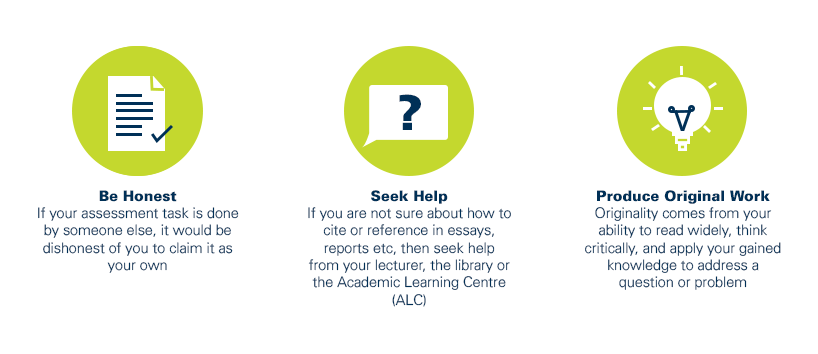
As a CQUniversity student you are expected to act honestly in all aspects of your academic work.
Any assessable work undertaken or submitted for review or assessment must be your own work. Assessable work is any type of work you do to meet the assessment requirements in the unit, including draft work submitted for review and feedback and final work to be assessed.
When you use the ideas, words or data of others in your assessment, you must thoroughly and clearly acknowledge the source of this information by using the correct referencing style for your unit. Using others’ work without proper acknowledgement may be considered a form of intellectual dishonesty.
Participating honestly, respectfully, responsibly, and fairly in your university study ensures the CQUniversity qualification you earn will be valued as a true indication of your individual academic achievement and will continue to receive the respect and recognition it deserves.
As a student, you are responsible for reading and following CQUniversity’s policies, including the Student Academic Integrity Policy and Procedure. This policy sets out CQUniversity’s expectations of you to act with integrity, examples of academic integrity breaches to avoid, the processes used to address alleged breaches of academic integrity, and potential penalties.
What is a breach of academic integrity?
A breach of academic integrity includes but is not limited to plagiarism, self-plagiarism, collusion, cheating, contract cheating, and academic misconduct. The Student Academic Integrity Policy and Procedure defines what these terms mean and gives examples.
Why is academic integrity important?
A breach of academic integrity may result in one or more penalties, including suspension or even expulsion from the University. It can also have negative implications for student visas and future enrolment at CQUniversity or elsewhere. Students who engage in contract cheating also risk being blackmailed by contract cheating services.
Where can I get assistance?
For academic advice and guidance, the Academic Learning Centre (ALC) can support you in becoming confident in completing assessments with integrity and of high standard.
What can you do to act with integrity?