Overview
In this unit, you will evaluate mental health presentations and the associated social and cultural determinants, including those specific to Aboriginal and Torres Strait Islander peoples. You will learn how to formulate and apply evidence-based and safe treatment strategies for individuals experiencing a mental health crisis. While doing so, you will appraise and integrate mental health legislation and professional standards within the context of paramedicine. Additionally, you will explore how to communicate effectively with individuals experiencing mental health challenges, health care teams involved in mental health care, and the general public.
Details
Pre-requisites or Co-requisites
Pre-requisites: PMSC12001 Applied Paramedic Practice. Please note: Any student who has not successfully completed a PMSC residential school within the preceding 12 months or undertaken a clinical placement unit, should consult with the Head of Course to discuss completing a PMSC12001 Applied Paramedic Practice refresher. This ensures currency with all contemporary skills and procedures in line with industry standards and professional capabilities.
Important note: Students enrolled in a subsequent unit who failed their pre-requisite unit, should drop the subsequent unit before the census date or within 10 working days of Fail grade notification. Students who do not drop the unit in this timeframe cannot later drop the unit without academic and financial liability. See details in the Assessment Policy and Procedure (Higher Education Coursework).
Offerings For Term 2 - 2026
Attendance Requirements
All on-campus students are expected to attend scheduled classes - in some units, these classes are identified as a mandatory (pass/fail) component and attendance is compulsory. International students, on a student visa, must maintain a full time study load and meet both attendance and academic progress requirements in each study period (satisfactory attendance for International students is defined as maintaining at least an 80% attendance record).
Recommended Student Time Commitment
Each 6-credit Undergraduate unit at CQUniversity requires an overall time commitment of an average of 12.5 hours of study per week, making a total of 150 hours for the unit.
Class Timetable
Assessment Overview
Assessment Grading
This is a graded unit: your overall grade will be calculated from the marks or grades for each assessment task, based on the relative weightings shown in the table above. You must obtain an overall mark for the unit of at least 50%, or an overall grade of 'pass' in order to pass the unit. If any 'pass/fail' tasks are shown in the table above they must also be completed successfully ('pass' grade). You must also meet any minimum mark requirements specified for a particular assessment task, as detailed in the 'assessment task' section (note that in some instances, the minimum mark for a task may be greater than 50%). Consult the University's Grades and Results Policy for more details of interim results and final grades.
All University policies are available on the CQUniversity Policy site.
You may wish to view these policies:
- Grades and Results Policy
- Assessment Policy and Procedure (Higher Education Coursework)
- Review of Grade Procedure
- Student Academic Integrity Policy and Procedure
- Academic Progression Policy and Procedure
- Student Refund and Credit Balance Policy and Procedure
- Complaints Policy and Procedure
- Information and Communications Technology Acceptable Use Policy and Procedure
This list is not an exhaustive list of all University policies. The full list of University policies are available on the CQUniversity Policy site.
- Evaluate mental health presentations and the associated social and cultural determinants, including those specific to Aboriginal and Torres Strait Islander peoples.
- Formulate evidence-based and safe treatment strategies for individuals experiencing a mental health crisis.
- Appraise and integrate mental health legislation and professional standards within the context of paramedicine.
- Communicate effectively with individuals experiencing mental health challenges, health care teams involved in mental health care, and the general public.
The Paramedicine Board of Australia requires that units align with the Professional capabilities for registered paramedics, which consist of five (5) domains. The below section aligns the proposed learning outcomes with these domains. In addition, the learning outcomes have been aligned with the National Safety and Quality Health Service (NSQHS) Ambulance Health Service Standards.
Professional Capabilities for Registered Paramedics
| Standard/Attribute/Criteria | Learning Outcomes |
| Domain 1: The professional and ethical practitioner 1.1.1, 1.1.2, 1.1.4, 1.1.5, 1.1.6, 1.1.8, 1.1.9, 1.1.10, 1.1.11, 1.2.1, 1.2.2, 1.2.3, 1.2.4, 1.2.5, 1.3.1, 1.3.2, 1.3.3, 1.4.1, 1.4.2 | LO1, LO2, LO3, LO4 |
| Domain 2: The communicator and collaborator 2.1.1, 2.1.2, 2.1.3, 2.1.4, 2.1.5, 2.1.6, 2.1.7, 2.1.8, 2.2.1, 2.2.2, 2.2.3, 2.2.4, 2.2.5, 2.2.6 | LO1, LO2, LO3, LO4 |
| Domain 3: The evidence-based practitioner 3.2.3, 3.2.4, 3.2.5, 3.2.6, 3.3.1, 3.3.2, 3.3.3 | LO1, LO2, LO3, LO4 |
| Domain 4: The safety and risk management practitioner 4.1.1, 4.1.2, 4.1.3, 4.2.2, 4.2.3, 4.2.4, 4.3.3, 4.4.1, 4.4.2, 4.4.3, 4.4.4, 4.5.3, 4.6.5 | LO1, LO2, LO3, LO4 |
| Domain 5: The paramedicine practitioner 5.1.2, 5.2.1, 5.2.2, 5.2.3, 5.2.4, 5.2.5, 5.3.5, 5.4.1, 5.4.2, 5.4.3, 5.4.4, 5.4.5, 5.4.6, 5.6.1, 5.6.2, 5.6.3, 5.6.4 | LO1, LO2, LO3, LO4 |
National Safety and Quality Health Service (NSQHS) Standards
| Standard | Learning Outcomes |
| Clinical Governance: 1.15a, 1.15b, 1.15c, 1.30a, 1.30b | LO1, LO2, LO3 |
| Partnering with Consumers: 2.04, 2.05a, 2.05b, 2.10a, 2.10b | LO2, LO3, LO4 |
| Medication Safety: 4.15a | LO2, LO4 |
| Comprehensive Care: 5.05a, 5.05b, 5.06, 5.13c, 5.13d, 5.14a, 5.14b, 5.14c, 5.14d, 5.29a, 5.29b, 5.31a, 5.31b, 5.31c, 5.32, 5.33, 5.34a, 5.34b, 5.34c, 5.35a, 5.35b | LO1, LO2, LO3, LO4 |
| Recognising and Responding to Acute Deterioration: 8.05a, 8.05b, 8.05c, 8.05d, 8.05e, 8.06a, 8.06b, 8.06c, 8.06d, 8.06e, 8.10 | LO1, LO2, LO4 |
Alignment of Assessment Tasks to Learning Outcomes
| Assessment Tasks | Learning Outcomes | |||
|---|---|---|---|---|
| 1 | 2 | 3 | 4 | |
| 1 - Written Assessment - 50% | ||||
| 2 - Case Study - 50% | ||||
| 3 - On-campus Activity - 0% | ||||
Alignment of Graduate Attributes to Learning Outcomes
| Graduate Attributes | Learning Outcomes | |||
|---|---|---|---|---|
| 1 | 2 | 3 | 4 | |
| 1 - Communication | ||||
| 2 - Problem Solving | ||||
| 3 - Critical Thinking | ||||
| 4 - Information Literacy | ||||
| 5 - Team Work | ||||
| 6 - Information Technology Competence | ||||
| 7 - Cross Cultural Competence | ||||
| 8 - Ethical practice | ||||
| 9 - Social Innovation | ||||
| 10 - First Nations Knowledges | ||||
| 11 - Aboriginal and Torres Strait Islander Cultures | ||||
Textbooks
There are no required textbooks.
IT Resources
- CQUniversity Student Email
- Internet
- Unit Website (Moodle)
All submissions for this unit must use the referencing style: American Psychological Association 7th Edition (APA 7th edition)
For further information, see the Assessment Tasks.
m.bray@cqu.edu.au
Week 1
Begin Date: 13 Jul 2026Module/Topic
Foundations of mental health
- Social determinants of health
- Stigma in mental health
- Professional standards
Chapter
See eReading list and Moodle page.
Events and Submissions/Topic
Week 2
Begin Date: 20 Jul 2026Module/Topic
Tools, communication and support
- Mental status assessment
- Risk assessment
- Communication
- Support strategies/interdisciplinary collaboration
Chapter
See eReading list and Moodle page.
Events and Submissions/Topic
Week 3
Begin Date: 27 Jul 2026Module/Topic
Legal and ethical considerations
- Legal requirements
- Legislation
Chapter
See eReading list and Moodle page.
Events and Submissions/Topic
Week 4
Begin Date: 03 Aug 2026Module/Topic
Mental health conditions 1
- Bipolar disorder
- Borderline personality disorder
- Schizophrenia
- Excited delirium
Chapter
See eReading list and Moodle page.
Events and Submissions/Topic
Week 5
Begin Date: 10 Aug 2026Module/Topic
Mental health conditions 2
- Anxiety
- PTSD
- Grief
- Depressive disorders
- Post natal depression/psychosis
Chapter
See eReading list and Moodle page.
Events and Submissions/Topic
Week 6
Begin Date: 17 Aug 2026Module/Topic
Crisis recognition and management
- Self harm
- Suicidal ideation
- Substance abuse
Chapter
See eReading list and Moodle page.
Events and Submissions/Topic
Vacation Week
Begin Date: 24 Aug 2026Module/Topic
Chapter
Events and Submissions/Topic
Week 7
Begin Date: 31 Aug 2026Module/Topic
Domestic Violence, Cultural safety and Inclusive patient care
- Domestic abuse/violence
- Cultural sensitivity and safety
- Cultural awareness
Chapter
See eReading list and Moodle page.
Events and Submissions/Topic
Week 8
Begin Date: 07 Sep 2026Module/Topic
Acute Behavioural Disturbance: Assessment, De-escalation and Safe Management
- Acute behavioural disturbance
- De-escalation strategies
- Management
Chapter
See eReading list and Moodle page.
Events and Submissions/Topic
Week 9
Begin Date: 14 Sep 2026Module/Topic
Clinical Sedation: Pharmacology, Patient Safety and Post-Sedation Care
- Sedation pharmacology
- Sedation management
- Recognising of deteriorating patient
- Post sedation cares
- Sedation incidents
Chapter
See eReading list and Moodle page.
Events and Submissions/Topic
Week 10
Begin Date: 21 Sep 2026Module/Topic
Mental health care for vulnerable and diverse populations
- Vulnerable populations
- Spectrum disorders
- LGBTQIA+
Chapter
See eReading list and Moodle page.
Events and Submissions/Topic
Week 11
Begin Date: 28 Sep 2026Module/Topic
Paramedic mental health, burnout and resilience
- Paramedic mental health
- Self care and support strategies
Chapter
See eReading list and Moodle page.
Events and Submissions/Topic
Residential School
Week 12
Begin Date: 05 Oct 2026Module/Topic
Reflective practice and goal setting
Chapter
See eReading list and Moodle page.
Events and Submissions/Topic
Residential School
Exam Week
Begin Date: 12 Oct 2026Module/Topic
Chapter
Events and Submissions/Topic
Vacation/Exam Week
Begin Date: 19 Oct 2026Module/Topic
Chapter
Events and Submissions/Topic
1 Written Assessment
For this assessment you will be required to create a clinical guideline. This template will be provided to you on the Moodle page.
Clinical guideline
You will create a clinical guideline for paramedics addressing one of the following conditions:
- Postnatal Depression/Psychosis
- Schizophrenia
- Borderline Personality Disorder
The headings to be included in the guideline are:
The headings that to be included in the guideline are:
- Cover page
- Student identifying details
- Overview of the condition
- Disclaimer
- Background (200 words)
- Definition
- Epidemiology
- Clinical assessment (300 words)
- Signs and symptoms
- Mental Status Examination findings
- Social and cultural determinants of health (500 words)
- Treatment strategies (non pharmacological and pharmacological for prehospital setting) (500 words)
- Collaborative care, safety and stigma (500 words)
- Interprofessional Education/referral pathways
- Risk factors/safety planning
- Stigma/bias
- Reference list
Level of GenAI Use Allowed:
Level 2 AI PLANNING: AI may be used for pre-task activities such as brainstorming, outlining and initial research. This level focuses on the effective use of AI for planning, synthesis, and ideation, but assessments should emphasise the ability to develop and refine these ideas independently.
You may use AI for planning, idea development, and research. Your final submission should show how you have developed and refined these ideas.
Week 6 Friday (21 Aug 2026) 9:00 am AEST
Week 8 Friday (11 Sept 2026)
- Clear and concise background and definition
- Thorough analysis of Australian/global epidemiology
- Clinical assessment and features
- Analysis of social/cultural factors
- Integration of pharmacological and non pharmacological strategies
- Referral pathways exploration with linking to interdisciplinary roles
- Risk assessment and safety planning strategies
- Stigma reflection with unconscious bias awareness
- Structure and clarity
- Referencing as per APA standard
This assessment must be in your own words and completed individually, collaboration with other students is not permitted.
Ensure you engage with recent (dated after 2016) peer-reviewed, scientific articles using APA referencing.
- Evaluate mental health presentations and the associated social and cultural determinants, including those specific to Aboriginal and Torres Strait Islander peoples.
- Formulate evidence-based and safe treatment strategies for individuals experiencing a mental health crisis.
- Communicate effectively with individuals experiencing mental health challenges, health care teams involved in mental health care, and the general public.
2 Case Study
You will be required to complete 4 tasks from a case study provided on the Moodle page “A 12 hour shift on the Ambulance”. These tasks support your continued professional development through structured self-directed learning. A brief overview of each task focus is:
- TASK ONE: Focus is on domestic violence.
- TASK TWO: Focus is on professional standards.
- TASK THREE: Focus is on legislation.
- TASK FOUR: Focus is on cultural sensitivity.
Please review the tasks thoroughly before commencing. You must complete all tasks according to the instructions provided, ensuring that all work is referenced as per instructions.
Level of GenAI Use Allowed:
Level 2 AI PLANNING: AI may be used for pre-task activities such as brainstorming, outlining and initial research. This level focuses on the effective use of AI for planning, synthesis, and ideation, but assessments should emphasise the ability to develop and refine these ideas independently.
You may use AI for planning, idea development, and research. Your final submission should show how you have developed and refined these ideas.
Week 9 Friday (18 Sept 2026) 9:00 am AEST
Week 12 Friday (9 Oct 2026)
You will be required to demonstrate your theoretical knowledge taught to you throughout this unit. This assessment will be conducted by case based learning. The marks awarded to each question will accumulate to the final result. The case study and marking guide will be provided on the unit Moodle page. The assessment will be based on marking criteria covering the following key points:
Assessment criteria:
- Comprehensively addressed all elements of each task
- Demonstrates appropriate grammar and sentence structure for academic writing
- Utilised quality references throughout assessment with the use of APA referencing style
- Evaluate mental health presentations and the associated social and cultural determinants, including those specific to Aboriginal and Torres Strait Islander peoples.
- Formulate evidence-based and safe treatment strategies for individuals experiencing a mental health crisis.
- Appraise and integrate mental health legislation and professional standards within the context of paramedicine.
3 On-campus Activity
For this assessment you will be required to attend a compulsory residential school where you will be required to demonstrated your practical application of the concepts taught to you in this unit through a series of simulated cases.
The on-campus assessment will consist of two tasks:
- Long case (20 minutes)
- Short case (15 minutes)
The assessment tasks will consist of a practical demonstration of patient management. The practical assessment tasks will be related to content that has been delivered throughout the unit and aligns with the unit learning outcomes.
Assessments undertaken during the residential school may be assessed against a combination of the following criteria:
· Patient assessment and history taking
· Application of appropriate legislation
· Implementation of interventions and patient management
· Scene management and patient safety
· Mental Status Examination (MSE)/Sedation Assessment Tool (SAT)
· Verbal/Non-verbal and written communication skills
Level of GenAI Use Allowed:
Level 1 No AI: The assessment is completed entirely without AI assistance in a controlled environment, ensuring that students rely solely on their existing knowledge, understanding, and skills.
You must not use AI at any point during the assessment. You must demonstrate your core skills and knowledge.
Please note: The 72-hour grace period does not apply to this assessment.
This assessment task will be completed during the mandatory residential school.
Two weeks after the final residential school
Rubrics specific to the campus activity will be uploaded onto the Moodle page.
The rubrics will consist of marks awarded for:
Patient assessment
Communication
Management of condition
Professionalism
Safe practitioner
You need to attempt and pass both assessment items to pass the unit.
Students must achieve a pass grade on both the short and long case to pass the unit. Students will be eligible for 1 reattempt of either the long or the short case.
- Evaluate mental health presentations and the associated social and cultural determinants, including those specific to Aboriginal and Torres Strait Islander peoples.
- Formulate evidence-based and safe treatment strategies for individuals experiencing a mental health crisis.
- Appraise and integrate mental health legislation and professional standards within the context of paramedicine.
- Communicate effectively with individuals experiencing mental health challenges, health care teams involved in mental health care, and the general public.
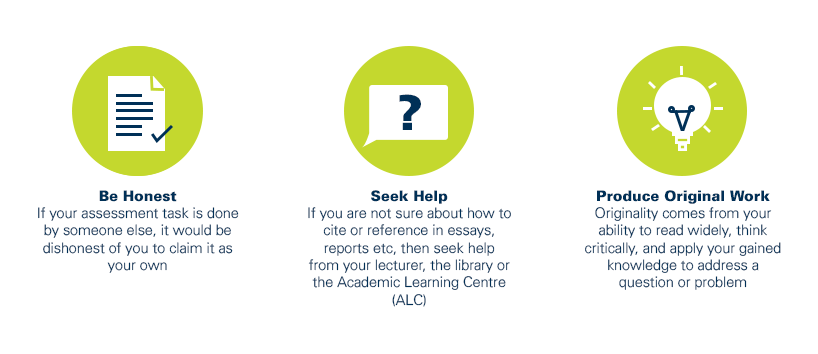
As a CQUniversity student you are expected to act honestly in all aspects of your academic work.
Any assessable work undertaken or submitted for review or assessment must be your own work. Assessable work is any type of work you do to meet the assessment requirements in the unit, including draft work submitted for review and feedback and final work to be assessed.
When you use the ideas, words or data of others in your assessment, you must thoroughly and clearly acknowledge the source of this information by using the correct referencing style for your unit. Using others’ work without proper acknowledgement may be considered a form of intellectual dishonesty.
Participating honestly, respectfully, responsibly, and fairly in your university study ensures the CQUniversity qualification you earn will be valued as a true indication of your individual academic achievement and will continue to receive the respect and recognition it deserves.
As a student, you are responsible for reading and following CQUniversity’s policies, including the Student Academic Integrity Policy and Procedure. This policy sets out CQUniversity’s expectations of you to act with integrity, examples of academic integrity breaches to avoid, the processes used to address alleged breaches of academic integrity, and potential penalties.
What is a breach of academic integrity?
A breach of academic integrity includes but is not limited to plagiarism, self-plagiarism, collusion, cheating, contract cheating, and academic misconduct. The Student Academic Integrity Policy and Procedure defines what these terms mean and gives examples.
Why is academic integrity important?
A breach of academic integrity may result in one or more penalties, including suspension or even expulsion from the University. It can also have negative implications for student visas and future enrolment at CQUniversity or elsewhere. Students who engage in contract cheating also risk being blackmailed by contract cheating services.
Where can I get assistance?
For academic advice and guidance, the Academic Learning Centre (ALC) can support you in becoming confident in completing assessments with integrity and of high standard.
What can you do to act with integrity?