Overview
This unit provides you with the knowledge and management strategies for functioning as a paramedic with a primary healthcare focus. This unit lays out the foundations of recognition and management of patients with common chronic and low acuity disease states through a detailed examination of the pathophysiology, epidemiology, history and assessment findings. You will be able to formulate a clinical diagnosis by incorporating presentation, history, assessment, diagnostic studies and other findings using an analytic approach and then utilise evidenced-based medicine for the management of a patient's condition. Additionally, the unit introduces you to palliative care and the paramedic practitioner's role in its delivery.
Details
Pre-requisites or Co-requisites
There are no requisites for this unit.
Important note: Students enrolled in a subsequent unit who failed their pre-requisite unit, should drop the subsequent unit before the census date or within 10 working days of Fail grade notification. Students who do not drop the unit in this timeframe cannot later drop the unit without academic and financial liability. See details in the Assessment Policy and Procedure (Higher Education Coursework).
Offerings For Term 1 - 2026
Attendance Requirements
All on-campus students are expected to attend scheduled classes - in some units, these classes are identified as a mandatory (pass/fail) component and attendance is compulsory. International students, on a student visa, must maintain a full time study load and meet both attendance and academic progress requirements in each study period (satisfactory attendance for International students is defined as maintaining at least an 80% attendance record).
Recommended Student Time Commitment
Each 12-credit Postgraduate unit at CQUniversity requires an overall time commitment of an average of 25 hours of study per week, making a total of 300 hours for the unit.
Class Timetable
Assessment Overview
Assessment Grading
This is a graded unit: your overall grade will be calculated from the marks or grades for each assessment task, based on the relative weightings shown in the table above. You must obtain an overall mark for the unit of at least 50%, or an overall grade of 'pass' in order to pass the unit. If any 'pass/fail' tasks are shown in the table above they must also be completed successfully ('pass' grade). You must also meet any minimum mark requirements specified for a particular assessment task, as detailed in the 'assessment task' section (note that in some instances, the minimum mark for a task may be greater than 50%). Consult the University's Grades and Results Policy for more details of interim results and final grades.
All University policies are available on the CQUniversity Policy site.
You may wish to view these policies:
- Grades and Results Policy
- Assessment Policy and Procedure (Higher Education Coursework)
- Review of Grade Procedure
- Student Academic Integrity Policy and Procedure
- Academic Progression Policy and Procedure
- Student Refund and Credit Balance Policy and Procedure
- Complaints Policy and Procedure
- Information and Communications Technology Acceptable Use Policy and Procedure
This list is not an exhaustive list of all University policies. The full list of University policies are available on the CQUniversity Policy site.
Feedback, Recommendations and Responses
Every unit is reviewed for enhancement each year. At the most recent review, the following staff and student feedback items were identified and recommendations were made.
Feedback from SUTE Unit comments
A student expressed feeling supported and appreciated the Unit Coordinator's assistance and guidance throughout the term.
We recommend continuing to provide adequate support, time, and guidance to our PG students, considering their challenges with work and family commitments.
Feedback from Unit Coordinator reflections
Recent developments in Advanced Practice in Paramedicine and possible endorsement by the Australian Health Practitioner Regulation Agency (AHPRA) could impact this unit in the near future
It is recommended that we continue to engage with the Paramedicine Board of Australia and implement the necessary changes to the unit and the course as required when this information becomes available.
- Differentiate between common chronic and low acuity disease states based on pathophysiology, epidemiology, risk factors, signs and symptoms
- Integrate diagnostic findings with patient presentation, history and assessment to formulate a working diagnosis
- Employ an analytic approach using evidence-based medicine and guidelines for the management of primary care conditions
- Describe the primary care paramedic's role in the delivery of palliative care.
A Graduate Diploma is now the standard requirement for many state ambulance services for advanced positions in the paramedic field. An emphasis has been placed on preferred candidates exceeding this requirement with a Masters degree for many new positions such as the Paramedic Practitioner.
Alignment of Assessment Tasks to Learning Outcomes
| Assessment Tasks | Learning Outcomes | |||
|---|---|---|---|---|
| 1 | 2 | 3 | 4 | |
| 1 - Written Assessment - 40% | ||||
| 2 - Presentation - 30% | ||||
| 3 - Written Assessment - 30% | ||||
Alignment of Graduate Attributes to Learning Outcomes
| Graduate Attributes | Learning Outcomes | |||
|---|---|---|---|---|
| 1 | 2 | 3 | 4 | |
| 1 - Knowledge | ||||
| 2 - Communication | ||||
| 3 - Cognitive, technical and creative skills | ||||
| 4 - Research | ||||
| 5 - Self-management | ||||
| 6 - Ethical and Professional Responsibility | ||||
| 7 - Leadership | ||||
| 8 - First Nations Knowledges | ||||
| 9 - Aboriginal and Torres Strait Islander Cultures | ||||
Alignment of Assessment Tasks to Graduate Attributes
| Assessment Tasks | Graduate Attributes | ||||||||
|---|---|---|---|---|---|---|---|---|---|
| 1 | 2 | 3 | 4 | 5 | 6 | 7 | 8 | 9 | |
| 1 - Written Assessment - 40% | |||||||||
| 2 - Presentation - 30% | |||||||||
| 3 - Written Assessment - 30% | |||||||||
Textbooks
There are no required textbooks.
IT Resources
- CQUniversity Student Email
- Internet
- Unit Website (Moodle)
All submissions for this unit must use the referencing style: Harvard (author-date)
For further information, see the Assessment Tasks.
a.k.miles@cqu.edu.au
Week 1
Begin Date: 09 Mar 2026Module/Topic
Disease states of the eyes, ears, nose and throat
Chapter
Events and Submissions/Topic
Week 2
Begin Date: 16 Mar 2026Module/Topic
Disease states of the respiratory and cardiovascular systems
Chapter
Events and Submissions/Topic
Week 3
Begin Date: 23 Mar 2026Module/Topic
Disease states of the central nervous system and mental health
Chapter
Events and Submissions/Topic
Week 4
Begin Date: 30 Mar 2026Module/Topic
Disease states of the gastrointestinal and urinary systems
Chapter
Events and Submissions/Topic
Week 5
Begin Date: 06 Apr 2026Module/Topic
Communicable diseases, infections and allergies
Chapter
Events and Submissions/Topic
Week 6
Begin Date: 13 Apr 2026Module/Topic
Diabetes and Skin disorders
Chapter
Events and Submissions/Topic
Vacation Week
Begin Date: 20 Apr 2026Module/Topic
Chapter
Events and Submissions/Topic
Week 7
Begin Date: 27 Apr 2026Module/Topic
Disease states of the musculoskeletal system
Chapter
Events and Submissions/Topic
Week 8
Begin Date: 04 May 2026Module/Topic
Wounds
Chapter
Events and Submissions/Topic
Week 9
Begin Date: 11 May 2026Module/Topic
Palliative Care
Chapter
Events and Submissions/Topic
Week 10
Begin Date: 18 May 2026Module/Topic
Palliative Care
Chapter
Events and Submissions/Topic
Week 11
Begin Date: 25 May 2026Module/Topic
Catch up week
Chapter
Events and Submissions/Topic
Week 12
Begin Date: 01 Jun 2026Module/Topic
Pain Management
Chapter
Events and Submissions/Topic
Exam Week
Begin Date: 08 Jun 2026Module/Topic
Chapter
Events and Submissions/Topic
Vacation/Exam Week
Begin Date: 15 Jun 2026Module/Topic
Chapter
Events and Submissions/Topic
1 Written Assessment
Preamble
As paramedics, we are often called upon to assess and manage patients with chronic or low acuity conditions that do not require immediate emergency-level interventions but still necessitate medical attention. Many of these conditions can be effectively managed in the community by paramedics with a primary healthcare focus thus reducing unnecessary hospital admissions and promoting better long-term outcomes for patients. This case report will focus on differentiating between common chronic and low acuity diseases, utilising pathophysiology, epidemiology, risk factors and signs and symptoms, and integrating diagnostic findings to formulate a working diagnosis.
Task Description
Introduction to the Case
- Provide a brief introduction to a clinical case involving a chronic or low acuity condition relating the body systems in Module 1, Module 2 or Module 4 that you have attended as a paramedic, including the patient's background and the context involved.
Patient’s Initial Presentation and Assessment
- Describe the patient’s initial presentation, including relevant patient history (e.g., previous medical history, family history, lifestyle factors)
- Discuss the clinical assessments performed, focusing on signs and symptoms that align with the suspected chronic or low acuity conditions
- Include any relevant diagnostic findings (e.g., vital signs, blood glucose levels, oxygen saturation, or ECG) that informed your assessment.
Differentiating Chronic and Low Acuity Diseases
- Provide a list of possible differential diagnoses for this patient. For each differential diagnosis, examine its pathophysiology, epidemiology, and risk factors
- Critically evaluate how this patient’s clinical presentation, risk factors, and symptoms support or rule out each differential diagnosis.
Formulation of a Working Diagnosis
- Based on the patient’s history, assessment, and diagnostic findings, present your working diagnosis
- Justify your diagnosis with reference to the pathophysiology and epidemiology of the disease, linking this to the patient’s clinical presentation and risk factors
- Discuss the role of clinical reasoning in forming a working diagnosis and reflect on how this diagnosis could evolve with additional data or as the patient’s condition progresses.
Revised Assessment and Diagnostic Plan
- Propose a revised assessment plan that a paramedic with a primary healthcare focus could undertake for this clinical case
- Consider the role of additional diagnostic tests (e.g., iStat, advanced clinical assessment or referral for imaging) or follow-up assessments to clarify the diagnosis
- Reflect on how these further diagnostic findings could strengthen or refine the current working diagnosis. How would this improve the overall management approach for this patient?
Level of GenAI use allowed:
Level 2: You may use Al for planning, idea development, and research. Your final submission should show how you have developed and refined these ideas.
Week 6 Thursday (16 Apr 2026) 11:45 am AEST
Week 8 Friday (8 May 2026)
The case report will be assessed in accordance with the rubric and information provided on the unit’s Moodle site.
The following criteria are key points to be included:
- The written assessment should be presented in an essay format
- The written assessment must address each of the main topic tasks as detailed in the task description
- Avoid superficial points or comments and be clear and concise
- Ensure all guidelines and research are relevant and well-integrated into your argument
- As this is a written assessment, you must include in-text referencing and a reference list.
The required word count is 3000 words (+/-10%)
The case report is worth 40% of your overall unit mark.
- Differentiate between common chronic and low acuity disease states based on pathophysiology, epidemiology, risk factors, signs and symptoms
- Integrate diagnostic findings with patient presentation, history and assessment to formulate a working diagnosis
- Knowledge
- Communication
- Cognitive, technical and creative skills
- Research
- Ethical and Professional Responsibility
- Leadership
2 Presentation
You will create a recorded presentation of a clinical case involving a patient with a chronic or low-acuity disease from Module 5, Module 6 or Module 7 that you have managed as a paramedic. This assessment aims to evaluate your ability to integrate diagnostic findings, formulate a working diagnosis, and employ evidence-based approaches in managing primary care conditions.
Your recorded presentation should include the following elements:
Introduction to the Case
- Provide a concise yet engaging introduction to the case
- Include relevant background details such as patient demographics, pertinent medical history, and presenting complaint.
Patient Presentation and Initial Assessment
- Describe the patient's initial symptoms and clinical presentation in detail
- Outline a comprehensive patient history, including past medical history, medications, allergies, and relevant lifestyle factors
- Present a thorough physical assessment, including vital signs, general appearance, and focused examination results
- Demonstrate advanced clinical reasoning in your approach to the assessment.
Working Diagnosis with Supporting Evidence
- Present a logical and well-supported working diagnosis based on the patient's symptoms, history, and assessment
- Justify the diagnosis using clinical guidelines, pathophysiological mechanisms, and diagnostic criteria
- Use evidence and logical deductions to support your diagnostic reasoning.
On-scene and En-route Management
- Critically evaluate the treatment and interventions provided on scene and during transport
- Discuss the rationale behind your clinical decisions, including symptom management, medication administration, and non-pharmacological interventions
- Evaluate the effectiveness of your management and any challenges encountered.
Revised Assessment Plan and Further Diagnostic Considerations
- Discuss a comprehensive revised approach to the patient's assessment, incorporating additional diagnostic tools or methods suitable for a primary healthcare setting
- Consider point-of-care testing, community-based follow-up, or alternative diagnostic pathways that could improve patient care
- Support your discussion with high-quality evidence and guidelines
- Demonstrate analytical thinking in your approach to further assessment and diagnostics.
Clinical Management Plan with a Primary Healthcare Focus
- Present a new detailed, patient-centered management plan tailored to the patient's chronic or low-acuity condition
- Justify your management decisions with evidence-based guidelines and primary care management protocols
- Highlight non-emergency interventions such as lifestyle modifications, medication adjustments, and referral pathways
- Demonstrate high-level critical analysis of interventions and potential outcomes.
Level of GenAI use allowed:
Level 2: You may use Al for planning, idea development, and research. Your final submission should show how you have developed and refined these ideas.
Week 9 Thursday (14 May 2026) 11:45 am AEST
Week 11 Friday (29 May 2026)
The presentation will be assessed in accordance with the rubric and information provided on the unit’s Moodle site.
The following criteria are key points to be included:
- The presentation should be in a PowerPoint format. An alternative may be approved after consultation with the Unit Coordinator.
- Recorded narration is required and you can use the Notes section to detail your thinking
- The presentation must address each of the main topic tasks as detailed in the task description
- Avoid superficial points or comments
- Ensure your presentation is highly engaging, logically structured, and professional
- Use advanced communication techniques and effective visual aids to enhance your presentation. These must be referenced
- Maintain a clear and coherent flow of information throughout the presentation
- Demonstrate critical appraisal and synthesis of research in supporting your clinical decisions
- Ensure all guidelines and research are relevant and well-integrated into your argument
- Maintain flawless spelling, grammar, and professionalism throughout your presentation
- Demonstrate high-level academic communication skills
- In-text referencing must be included on each slide as required. This information can be added to the Notes section of the slide
- A reference list must be included at the end.
The presentation has no specified length in regards to the number of slides used but the recorded presentation should be approximately twenty-five (25) minutes in length.
This presentation is worth 30% of your overall unit mark.
- Integrate diagnostic findings with patient presentation, history and assessment to formulate a working diagnosis
- Employ an analytic approach using evidence-based medicine and guidelines for the management of primary care conditions
- Knowledge
- Communication
- Cognitive, technical and creative skills
- Research
- Ethical and Professional Responsibility
- Leadership
3 Written Assessment
"Paramedics are uniquely placed to provide frontline 24/7 care for people nearing the end of life, yet the profession is repeatedly overlooked in healthcare funding, workforce planning, and palliative care-related policy…. The most recent data from the Australian Institute of Health Welfare shows that nearly 70% of potentially preventable hospitalisations are for people with life-limiting and chronic conditions." (Palliative Care Australia 2024).
Essay Topic:
"The expansion of paramedic practice into palliative care in Australia risks fragmenting care rather than improving it". Critically argue for or against this statement
Considerations for your argument for or against:
- Continuity of Care vs. Service Fragmentation
Consider whether adding paramedics to palliative pathways creates more handovers or reduces them through extended care roles. Examine the risk of parallel services that operate without integration into established palliative care teams. What is the impact on patient experience when multiple providers deliver palliative or end of life care across different settings. - Communication and Information-Sharing Barriers
Consider paramedic access to electronic health records and consequences for consistent palliative care plans.; handover processes, continuing of care and conflicting treatment decisions/ Consider role clarity and how paramedics would obtain necessary patient history information to make team aligned palliative decisions. - Interprofessional Role Tension
Consider traditional role protection, duplication or confusion with paramedics entering nursing and GP territory, effect of blurred boundaries / new paramedic practice on collaborative decision making, will paramedics enhance or disrupt established multidisciplinary teams. - Clinical Competence and Scope of Practice
Does current training adequately prepare paramedics (general, extended or advanced practice) to support complex palliative interventions. What sort of training/education would be required for paramedics to ensure risk of unsafe escalation or undertreatment is minimised. Consider role of enhanced training frameworks or credentialling. - Health System Integration
Are paramedic-led palliative care models properly embedded in policy and funding structures? Impact of ad-hoc or pilot programs without systemic alignment on care pathways. How/do system level governance and guidelines support integrated palliative delivery. - Patient Centered Outcomes
Are patient preferences supported by jurisdictional service paramedics providing rapid in-home end-of-life care - does this differ from a community paramedic embedded in a palliative care service? Consider whether paramedic involvement in palliative care symptom management or end-of-life care reduces unwanted hospital admissions vs. clinical delays in required treatment. - Ethical and Legal Complexity
Consider potential for ethically inconsistent decisions when paramedics treat without full access to advanced care plans. Conflicts between emergency care default actions such as resuscitation and palliative goals of care. Ethical fragmentation as a result of current legislation and guidelines, is there anything can be done to reduce this? - System Efficiency and Resource Allocation
Paramedic involvement may reduce fragmentation by relieving pressure on primary care and hospital / ED services. Introducing another point of care may increase system complexity and service redundancy. Cost-benefit considerations (health economics) in creating new palliative care responders vs. strengthening existing teams.
Level of GenAI use allowed:
Level 2: You may use Al for planning, idea development, and research. Your final submission should show how you have developed and refined these ideas.
Reference
Palliative Care Australia 2024, Paramedics are key to improving access to palliative care, viewed 5 February 2025, https://palliativecare.org.au/mediarelease/paramedics-are-key-to-improving-access-to-palliative-care/
Week 12 Tuesday (2 June 2026) 11:45 am AEST
Vacation/Exam Week Wednesday (17 June 2026)
The essay will be assessed in accordance with the rubric and information provided on the unit’s Moodle site.
The following criteria are key points to be included:
• The written assessment should be presented in an essay format
• The written assessment must address each of the main topic tasks as detailed in the task description
• Avoid superficial points or comments and be clear and concise
• As this is a written assessment, you must include in-text referencing and a reference list.
Word Count: 3000 (+/- 10%)
This written assessment is worth 30% of your overall unit mark.
- Describe the primary care paramedic's role in the delivery of palliative care.
- Knowledge
- Communication
- Research
- Self-management
- Ethical and Professional Responsibility
- Leadership
As a CQUniversity student you are expected to act honestly in all aspects of your academic work.
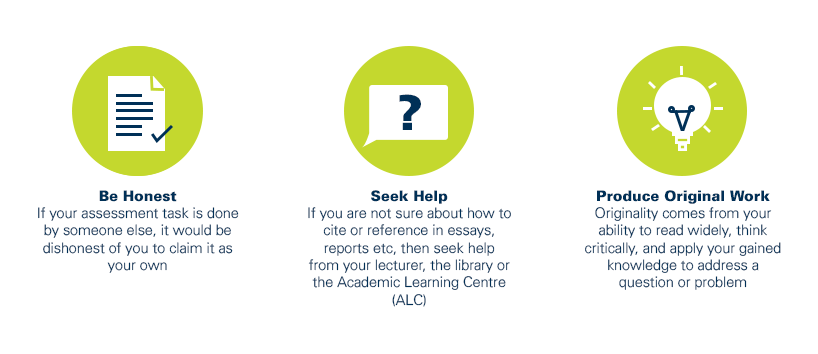
Any assessable work undertaken or submitted for review or assessment must be your own work. Assessable work is any type of work you do to meet the assessment requirements in the unit, including draft work submitted for review and feedback and final work to be assessed.
When you use the ideas, words or data of others in your assessment, you must thoroughly and clearly acknowledge the source of this information by using the correct referencing style for your unit. Using others’ work without proper acknowledgement may be considered a form of intellectual dishonesty.
Participating honestly, respectfully, responsibly, and fairly in your university study ensures the CQUniversity qualification you earn will be valued as a true indication of your individual academic achievement and will continue to receive the respect and recognition it deserves.
As a student, you are responsible for reading and following CQUniversity’s policies, including the Student Academic Integrity Policy and Procedure. This policy sets out CQUniversity’s expectations of you to act with integrity, examples of academic integrity breaches to avoid, the processes used to address alleged breaches of academic integrity, and potential penalties.
What is a breach of academic integrity?
A breach of academic integrity includes but is not limited to plagiarism, self-plagiarism, collusion, cheating, contract cheating, and academic misconduct. The Student Academic Integrity Policy and Procedure defines what these terms mean and gives examples.
Why is academic integrity important?
A breach of academic integrity may result in one or more penalties, including suspension or even expulsion from the University. It can also have negative implications for student visas and future enrolment at CQUniversity or elsewhere. Students who engage in contract cheating also risk being blackmailed by contract cheating services.
Where can I get assistance?
For academic advice and guidance, the Academic Learning Centre (ALC) can support you in becoming confident in completing assessments with integrity and of high standard.
What can you do to act with integrity?