Overview
This unit provides you with the communication skills, networking and inter-professional strategies for functioning as a paramedic with a primary healthcare focus. This unit lays out how the Paramedic Practitioner will function within a multi-disciplinary healthcare system and be an advocate for patient care. It introduces you to the psycho-social underpinnings for referral and patient education and its impact on the patients' well-being. You will learn how to maintain continuity of care for patients in the out-of-hospital setting through the use of the referral process, communication strategies and comprehensive documentation. Additionally, this unit introduces you to community engagement and health promotion with a focus on primary healthcare and meeting the needs of your community.
Details
Pre-requisites or Co-requisites
Pre-requisite: PMSC28003 Evidence Based Practice 2 or MEDS21006 Medical Science Research Project 2
Important note: Students enrolled in a subsequent unit who failed their pre-requisite unit, should drop the subsequent unit before the census date or within 10 working days of Fail grade notification. Students who do not drop the unit in this timeframe cannot later drop the unit without academic and financial liability. See details in the Assessment Policy and Procedure (Higher Education Coursework).
Offerings For Term 1 - 2026
Attendance Requirements
All on-campus students are expected to attend scheduled classes - in some units, these classes are identified as a mandatory (pass/fail) component and attendance is compulsory. International students, on a student visa, must maintain a full time study load and meet both attendance and academic progress requirements in each study period (satisfactory attendance for International students is defined as maintaining at least an 80% attendance record).
Recommended Student Time Commitment
Each 12-credit Postgraduate unit at CQUniversity requires an overall time commitment of an average of 25 hours of study per week, making a total of 300 hours for the unit.
Class Timetable
Assessment Overview
Assessment Grading
This is a graded unit: your overall grade will be calculated from the marks or grades for each assessment task, based on the relative weightings shown in the table above. You must obtain an overall mark for the unit of at least 50%, or an overall grade of 'pass' in order to pass the unit. If any 'pass/fail' tasks are shown in the table above they must also be completed successfully ('pass' grade). You must also meet any minimum mark requirements specified for a particular assessment task, as detailed in the 'assessment task' section (note that in some instances, the minimum mark for a task may be greater than 50%). Consult the University's Grades and Results Policy for more details of interim results and final grades.
All University policies are available on the CQUniversity Policy site.
You may wish to view these policies:
- Grades and Results Policy
- Assessment Policy and Procedure (Higher Education Coursework)
- Review of Grade Procedure
- Student Academic Integrity Policy and Procedure
- Academic Progression Policy and Procedure
- Student Refund and Credit Balance Policy and Procedure
- Complaints Policy and Procedure
- Information and Communications Technology Acceptable Use Policy and Procedure
This list is not an exhaustive list of all University policies. The full list of University policies are available on the CQUniversity Policy site.
Feedback, Recommendations and Responses
Every unit is reviewed for enhancement each year. At the most recent review, the following staff and student feedback items were identified and recommendations were made.
Feedback from Unit Coordinator reflections
Recent developments in Advanced Practice in Paramedicine and possible endorsement by the Australian Health Practitioner Regulation Agency (AHPRA) could impact this unit in the near future.
It is recommended that we continue to engage with the Paramedicine Board of Australia and implement the necessary changes to the unit and course as required when this information becomes available.
- Demonstrate effective communication strategies within therapeutic relationships
- Prepare comprehensive documentation and determine the appropriate referral to allow for continuity of care
- Determine the barriers, psycho-social factors and cultural healthcare disparities that can impact a patient's well being
- Assess the need for patient education, health promotion and community engagement projects
- Research and develop a community engagement project proposal and plan.
Graduate Diploma is now the standard requirement for many state ambulance services for advanced positions in the paramedic field. An emphasis has been placed on preferred candidates exceeding this requirement with a Masters degree for many new positions such as the Paramedic Practitioner.
Alignment of Assessment Tasks to Learning Outcomes
| Assessment Tasks | Learning Outcomes | ||||
|---|---|---|---|---|---|
| 1 | 2 | 3 | 4 | 5 | |
| 1 - Presentation - 30% | |||||
| 2 - Written Assessment - 30% | |||||
| 3 - Written Assessment - 40% | |||||
Alignment of Graduate Attributes to Learning Outcomes
| Graduate Attributes | Learning Outcomes | ||||
|---|---|---|---|---|---|
| 1 | 2 | 3 | 4 | 5 | |
| 1 - Knowledge | |||||
| 2 - Communication | |||||
| 3 - Cognitive, technical and creative skills | |||||
| 4 - Research | |||||
| 5 - Self-management | |||||
| 6 - Ethical and Professional Responsibility | |||||
| 7 - Leadership | |||||
| 8 - First Nations Knowledges | |||||
| 9 - Aboriginal and Torres Strait Islander Cultures | |||||
Textbooks
There are no required textbooks.
IT Resources
- CQUniversity Student Email
- Internet
- Unit Website (Moodle)
All submissions for this unit must use the referencing style: Harvard (author-date)
For further information, see the Assessment Tasks.
a.k.miles@cqu.edu.au
Week 1
Begin Date: 09 Mar 2026Module/Topic
The barriers, psycho-social factors and cultural healthcare disparities that can impact on a patient's well-being
Chapter
Events and Submissions/Topic
Week 2
Begin Date: 16 Mar 2026Module/Topic
Introduction to Needs Analysis/Assessment
Chapter
Events and Submissions/Topic
Week 3
Begin Date: 23 Mar 2026Module/Topic
Development of Community Needs Analysis
Chapter
Events and Submissions/Topic
Week 4
Begin Date: 30 Mar 2026Module/Topic
Development of Community Needs Analysis
Chapter
Events and Submissions/Topic
Week 5
Begin Date: 06 Apr 2026Module/Topic
Communication Strategies
Chapter
Events and Submissions/Topic
Week 6
Begin Date: 13 Apr 2026Module/Topic
Communication Strategies, Documentation, and Referral Pathways
Chapter
Events and Submissions/Topic
Vacation Week
Begin Date: 20 Apr 2026Module/Topic
Break Week
Chapter
Events and Submissions/Topic
Week 7
Begin Date: 27 Apr 2026Module/Topic
Documentation and Referral Pathways
Chapter
Events and Submissions/Topic
Week 8
Begin Date: 04 May 2026Module/Topic
Proposal Development
Chapter
Events and Submissions/Topic
Week 9
Begin Date: 11 May 2026Module/Topic
Proposal Development
Chapter
Events and Submissions/Topic
Week 10
Begin Date: 18 May 2026Module/Topic
Proposal Development
Chapter
Events and Submissions/Topic
Week 11
Begin Date: 25 May 2026Module/Topic
Proposal Development
Chapter
Events and Submissions/Topic
Week 12
Begin Date: 01 Jun 2026Module/Topic
Proposal Development and Submission
Chapter
Events and Submissions/Topic
Exam Week
Begin Date: 08 Jun 2026Module/Topic
Chapter
Events and Submissions/Topic
Vacation/Exam Week
Begin Date: 15 Jun 2026Module/Topic
Chapter
Events and Submissions/Topic
1 Presentation
In this assessment, you must create a presentation.
The purpose of this presentation is to summarise your concept document for a Community Needs Analysis Project, which will serve as the foundation for your patient education, health promotion, and/or community engagement project in Assessment 3. This assessment aims to explore the barriers, psychosocial factors, and cultural healthcare disparities impacting a specific community, to inform intervention planning and guide the development of possible future community health initiatives.
This Needs Analysis Project is purely theoretical.
The presentation should include the following sections:
- Community Background
Objective: Provide an overview of the community you plan to study.
Details: Describe the demographic characteristics, social determinants of health, and any relevant contextual information (e.g., socioeconomic status, cultural diversity, existing health disparities).
- Literature Review: Barriers, Psychosocial Factors, and Cultural Healthcare Disparities
Objective: Conduct a review of relevant literature that addresses the barriers, psychosocial factors, and/or cultural healthcare disparities that can impact the well-being of the target population.
Details: Identify the key research interest area(s) you feel need investigation. This could include specific challenges faced by your target population (e.g., lack of access to care, mental health stigma, language barriers).
- Purpose of the Needs Analysis
Objective: Clearly articulate the purpose and scope of your needs analysis.
Details: Explain the importance of understanding the health needs of the community and how this analysis would help inform future interventions.
- Target Population and Gaining a Sample
Objective: Define the population you plan to target for the needs analysis and describe how you would select participants.
Details: Discuss the characteristics of your target population (e.g., age, ethnicity, health status) and explain your sampling methods (e.g., random sampling, purposive sampling).
- Data Collection Method
Objective: Outline the methods you would use to gather data for the needs analysis.
Details: This could include surveys, focus groups, interviews, or public health data collection methods. Be sure to justify why these methods are appropriate for your target population.
- Data Analysis Method
Objective: Describe the approach you would take to analyse the data once it has been collected.
Details: Discuss whether you will use qualitative or quantitative methods and any software or tools you would use to analyse the data.
- Community Feedback Plan
Objective: Explain how you would engage with the community and stakeholders to validate the findings of the needs analysis.
Details: Outline how you would present the results to the community, gather feedback, and incorporate it into your intervention planning.
The concept document for a Community Needs Analysis Project, from which the presentation will be produced, will be developed during your first few weeks of coursework for PMSC20014. Please refer to the Unit's schedule.
Level of GenAI use allowed:
Level 2: You may use Al for planning, idea development, and research. Your final submission should show how you have developed and refined these ideas.
Week 6 Thursday (16 Apr 2026) 11:45 am AEST
Week 7 Friday (1 May 2026)
The presentation will be assessed in accordance with the rubric and information provided on the unit’s Moodle site. The following criteria are key points to be included:
- The presentation should be in a PowerPoint format. An alternative may be approved after consultation with the Unit Coordinator.
- Recorded narration is required and you can use the Notes section to detail your thinking
- The presentation must address each of the dot points as detailed in the task description
- As this is a presentation, you can include images where appropriate, but these must be referenced.
- You must include in-text referencing (which can be included in the notes section per slide) and a reference list.
You will also be assessed on Organisation, Subject knowledge, Familiarity with the presentation, Communication and Elocution and Mechanics (Spelling, Grammar, Punctuation).
Time Limit: 20 minutes (+/-10%)
This presentation is worth 30% of your overall unit mark.
- Determine the barriers, psycho-social factors and cultural healthcare disparities that can impact a patient's well being
- Assess the need for patient education, health promotion and community engagement projects
- Research and develop a community engagement project proposal and plan.
2 Written Assessment
Preamble
Domain 2 of the Paramedicine Board – AHPRA (Australian Health Practitioner Regulation Agency) Professional Capabilities for Registered Paramedics (2021) emphasises the importance of communication and collaboration in paramedic practice. As healthcare professionals working in dynamic and often high-pressure environments, paramedics must develop strong communication skills to effectively engage with patients and collaborate with multidisciplinary healthcare teams.
A study by Restiglian et.al. (2025) - National consensus on the capabilities that inform the role of advanced practice paramedics: A Delphi study identified under Domain 1: Clinical practice - Capability 1.5 the importance of advanced practice paramedics demonstrating effective communication skills that are culturally sensitive and advocate for diverse needs, supporting individuals in decision-making and care palling to ensure person-centered approaches.
In the context of paramedics with a primary healthcare focus at generalist, extended practice and advanced practice level, effective communication plays a crucial role. This involves clear and sensitive interaction with patients, their families, and other healthcare providers.
Assessment Overview
Students will critically analyse a therapeutic interaction (video or transcript) and demonstrate advanced understanding of communication strategies used within therapeutic relationships. In additon to the communication audit, students will critically evaluate whether generative AI could ethically or reliably assist in analysing such an interaction. This assessment is designed to:
- Assess advanced communication theory application
- Require deep reflective judgement and integration of evidence
- Promote ethically responsible AI literacy suitable for clinical practice as a paramedic / advanced practice paramedic in primary & urgent care roles
Assessment Instructions
Part A - Communication Audit (1800 words (+/-10%)
In week 3 of semester, you will be provided with a therapeutic communication video or transcript - your task is to conduct and advanced level communication audit that includes:
1. Interaction overview
Provide a concise summary of the therapeutic context including:
- Purpose of the encounter
- Patient presentation and emotional tone
- Clinical/psychosocial factors shaping communication needs
2. Identification of Key Communication Strategies
Analyse the transcript or video and identify key therapeutic communication strategies used by the practitioner. These may include (but are not limited to):
- Active listening
- Empathetic responding
- Open vs closed questioning
- Summarising
- Normalising
- Boundary setting
- De-escalation
- Silence and pacing
- Cultural humility practices
- Trauma-informed communication
For each strategy you must:
- Cite specific examples from the transcript
- Explain the intended therapeutic function
- Critically evaluate the effectiveness of the strategy
- Use relevant communication frameworks/theories at an advanced level
3. Identification of Missed Opportunities of Communication Breakdowns
Highlight moments where communication strategies were:
- Incomplete
- Ineffective
- Mismatched to client needs
- Emotionally unsafe
- Lacking cultural or contextual awareness
Discuss how and why these missed opportunities impacted the therapeutic relationship.
4. Recommendations for Improved Practice
Propose evidence based, theoretically justified strategies that could have improved the interaction. Ensure your recommendations demonstrate:
- Advanced integration of theory
- Clinical reasoning
- Reflexive judgement
- Awareness of complexity, uncertainty and diverse patient needs
Part B - Ethical Evaluation of AI in Therapeutic Communication Analysis (600 words +/-10%)
Provide a critical discussion addressing the following:
1. Could AI assist in analysing therapeutic communication?
Consider capabilities in:
- Sentiment analysis
- Turn-taking analysis
- Keyword detection
- Tone/speech pattern evaluation
2. What are the risks and limitations
Discuss potential issues such as:
- Misinterpretation of affect or nuance
- Cultural bias and inequity
- False confidence in AI "accuracy"
- Privacy, confidentiality and data security
- Ethical concerns when using patient-derived material
3. What is ethically acceptable AI use for this assignment?
Explain:
- What you did use AI for
- What you did not use AI for
- How you ensured academic integrity
- How you verified accuracy and prevented dependence
Submission Details
Your submission must include:
- A structured communication audit (Part A)
- Ethical AI evaluation (Part B)
- In-text and Reference List
Level of GenAI use allowed:
Level 2: You may use Al for planning, idea development, and research. Your final submission should show how you have developed and refined these ideas.
Week 9 Thursday (14 May 2026) 11:45 am AEST
Week 11 Friday (29 May 2026)
Your work will be assessed on:
1. Advanced Communication Analysis
- Depth, precision and theoretical integration
- Ability to analyse complex interactions
- Insight into relational dynamics and therapeutic intent
2. Critical Evaluation
- Identification of strengths and deficits in communication
- Advanced justification for recommendations
- Demonstration of clinical reasoning and reflexivity
3. Ethical and Critical AI Engagement
- Understanding of AI's appropriate role
- Insight into risks, limitations and professional boundaries
- Ethical clarity and integrity of use
4. Academic Quality
- Clarity, structure and coherence
- Postgraduate level of writing
- Accurate referencing in line with assignment guidelines (no marks - feedback only - essential component for integrity and evidence integration)
Word Count: 2400 (+/- 10%)
This assessment contributes 30% to your overall unit mark.
- Demonstrate effective communication strategies within therapeutic relationships
- Prepare comprehensive documentation and determine the appropriate referral to allow for continuity of care
3 Written Assessment
You will be required to research and develop a project proposal and plan for your Community Project.
This project proposal and plan is purely theoretical.
Your project proposal document must include the following information:
- Introduction and Purpose of the Community Project
Clearly articulate the purpose of your project in addressing the specific barriers, psycho-social factors, or cultural healthcare disparities identified in Assessment 1.
- Community Context and Conditions
Identify the specific population that will benefit from the project (e.g., specific age groups, cultural communities, or socio-economic groups). Define the priorities and boundaries of the project. Clarify what is within the scope of the project and what is not. Describe the broader community context—what factors (e.g., cultural, socio-economic, political) might influence the success of your project? Discuss any existing conditions or challenges within the community that could impact the outcome of your project (e.g., access to resources, stigma, historical challenges in healthcare, language barriers). How can these existing conditions or challenges be addressed?
- Development of Strategies/Activities/Interventions
Based on the findings from your Needs Analysis, propose strategies and activities that will address the issues and needs of your target population. Detail the specific interventions you will use within your project, such as health education programs, community events, support groups, or resource distribution. Ensure that your proposed activities are evidence-based, align with best practices in health promotion and community engagement and are replicable.
- Resources Required
List the resources needed for the successful implementation of the project (e.g., human resources, physical resources, funding). Include examples of educational materials (e.g., pamphlets, brochures, digital media) and promotional resources (e.g., social media campaigns, community flyers).
- Identification of Necessary Partnerships
Identify key stakeholders or partners necessary for the success of your project. These may include community organizations, healthcare providers, local businesses, or advocacy groups.
- Timeline
Provide a clear timeline that outlines the phases of the project from development to implementation, and evaluation.
- Community Feedback Plan
Outline a plan for gathering feedback from the community throughout the project’s development and after its implementation. This could include surveys, focus groups, interviews, or other methods of soliciting input from the target population to ensure the project is meeting their needs.
- Plan for Evaluation of the Completed Project
Develop a clear, comprehensive plan for evaluating the success of your project. This should include both process evaluation (e.g., how well the project was implemented) and outcome evaluation (e.g., whether the project met its goals and positively impacted the target population). Define key performance indicators (KPIs), how data will be collected (surveys, interviews, etc.), and how the evaluation results will inform future efforts or initiatives.
- Conclusion
Provide an appropriate and concise summary of the proposal.
- Presentation (Structure and Layout), Intext referencing and References List will also be assessed as per the marking rubric.
The proposal will be developed during Weeks 8-12 of the unit's coursework and builds upon the foundation provided in Assessment 1. Please refer to the Unit's schedule.
Level of GenAI use allowed:
Level 2: You may use Al for planning, idea development, and research. Your final submission should show how you have developed and refined these ideas.
Week 12 Tuesday (2 June 2026) 11:45 am AEST
Vacation/Exam Week Wednesday (17 June 2026)
The written assessment will be assessed in accordance with the rubric and information provided on the unit’s Moodle site.
The following criteria are key points to be included:
- The written assessment should be presented in an essay format
- The written assessment must address each of the main topic tasks as detailed in the task description
- Avoid superficial points or comments and be clear and concise
- As this is a written assessment, you must include in-text referencing and a reference list.
Word Count: 4000 (+/- 10%)
This assessment contributes 40% to your overall unit mark.
- Determine the barriers, psycho-social factors and cultural healthcare disparities that can impact a patient's well being
- Assess the need for patient education, health promotion and community engagement projects
- Research and develop a community engagement project proposal and plan.
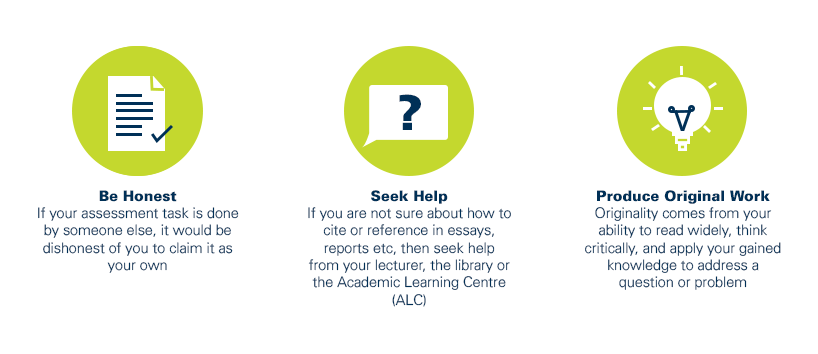
As a CQUniversity student you are expected to act honestly in all aspects of your academic work.
Any assessable work undertaken or submitted for review or assessment must be your own work. Assessable work is any type of work you do to meet the assessment requirements in the unit, including draft work submitted for review and feedback and final work to be assessed.
When you use the ideas, words or data of others in your assessment, you must thoroughly and clearly acknowledge the source of this information by using the correct referencing style for your unit. Using others’ work without proper acknowledgement may be considered a form of intellectual dishonesty.
Participating honestly, respectfully, responsibly, and fairly in your university study ensures the CQUniversity qualification you earn will be valued as a true indication of your individual academic achievement and will continue to receive the respect and recognition it deserves.
As a student, you are responsible for reading and following CQUniversity’s policies, including the Student Academic Integrity Policy and Procedure. This policy sets out CQUniversity’s expectations of you to act with integrity, examples of academic integrity breaches to avoid, the processes used to address alleged breaches of academic integrity, and potential penalties.
What is a breach of academic integrity?
A breach of academic integrity includes but is not limited to plagiarism, self-plagiarism, collusion, cheating, contract cheating, and academic misconduct. The Student Academic Integrity Policy and Procedure defines what these terms mean and gives examples.
Why is academic integrity important?
A breach of academic integrity may result in one or more penalties, including suspension or even expulsion from the University. It can also have negative implications for student visas and future enrolment at CQUniversity or elsewhere. Students who engage in contract cheating also risk being blackmailed by contract cheating services.
Where can I get assistance?
For academic advice and guidance, the Academic Learning Centre (ALC) can support you in becoming confident in completing assessments with integrity and of high standard.
What can you do to act with integrity?