Overview
In this unit, you will critique approaches to community engagement with First Nations community members, communities and agencies. Emphasising respect and collaboration, you will study culturally appropriate principles and strategies for community engagement, participatory planning and stakeholder relationships. This unit emphasises ethical engagement and the importance of working collaboratively with Indigenous communities. Global case studies will offer you comparative insights into diverse Indigenous sustainability practices, highlighting cultural landscapes and ecological stewardship principles. Drawing on transdisciplinary perspectives from First Nations studies, community development, history, planning, natural resource planning, public health and sociology, you will learn to evaluate the requirements of First Nations community engagement. You will develop a professional approach to working with First Nations and community engagement in your disciplinary context. By the unit's conclusion, you will have a holistic understanding of Indigenous contributions to global sustainability efforts, empowering you to advocate for environmental stewardship grounded in diverse cultural perspectives.
Details
Pre-requisites or Co-requisites
There are no requisites for this unit.
Important note: Students enrolled in a subsequent unit who failed their pre-requisite unit, should drop the subsequent unit before the census date or within 10 working days of Fail grade notification. Students who do not drop the unit in this timeframe cannot later drop the unit without academic and financial liability. See details in the Assessment Policy and Procedure (Higher Education Coursework).
Offerings For Term 2 - 2026
Attendance Requirements
All on-campus students are expected to attend scheduled classes - in some units, these classes are identified as a mandatory (pass/fail) component and attendance is compulsory. International students, on a student visa, must maintain a full time study load and meet both attendance and academic progress requirements in each study period (satisfactory attendance for International students is defined as maintaining at least an 80% attendance record).
Recommended Student Time Commitment
Each 6-credit Postgraduate unit at CQUniversity requires an overall time commitment of an average of 12.5 hours of study per week, making a total of 150 hours for the unit.
Class Timetable
Assessment Overview
Assessment Grading
This is a graded unit: your overall grade will be calculated from the marks or grades for each assessment task, based on the relative weightings shown in the table above. You must obtain an overall mark for the unit of at least 50%, or an overall grade of 'pass' in order to pass the unit. If any 'pass/fail' tasks are shown in the table above they must also be completed successfully ('pass' grade). You must also meet any minimum mark requirements specified for a particular assessment task, as detailed in the 'assessment task' section (note that in some instances, the minimum mark for a task may be greater than 50%). Consult the University's Grades and Results Policy for more details of interim results and final grades.
All University policies are available on the CQUniversity Policy site.
You may wish to view these policies:
- Grades and Results Policy
- Assessment Policy and Procedure (Higher Education Coursework)
- Review of Grade Procedure
- Student Academic Integrity Policy and Procedure
- Academic Progression Policy and Procedure
- Student Refund and Credit Balance Policy and Procedure
- Complaints Policy and Procedure
- Information and Communications Technology Acceptable Use Policy and Procedure
This list is not an exhaustive list of all University policies. The full list of University policies are available on the CQUniversity Policy site.
- Critically examine the sustainability practices of Australian First Nations peoples
- Assess the factors shaping the practices and perspectives of First Nations and Indigenous peoples globally
- Evaluate the role of traditional ecological knowledge in contemporary sustainability initiatives
- Develop culturally appropriate strategies for integrating First Nations perspectives into modern sustainability projects
- Critically reflect on the ethical considerations and challenges in collaborating with Indigenous communities on sustainability issues.
Alignment of Assessment Tasks to Learning Outcomes
| Assessment Tasks | Learning Outcomes | ||||
|---|---|---|---|---|---|
| 1 | 2 | 3 | 4 | 5 | |
| 1 - Written Assessment - 20% | |||||
| 2 - Case Study - 40% | |||||
| 3 - Group Work - 40% | |||||
Alignment of Graduate Attributes to Learning Outcomes
| Graduate Attributes | Learning Outcomes | ||||
|---|---|---|---|---|---|
| 1 | 2 | 3 | 4 | 5 | |
| 1 - Knowledge | |||||
| 2 - Communication | |||||
| 3 - Cognitive, technical and creative skills | |||||
| 4 - Research | |||||
| 5 - Self-management | |||||
| 6 - Ethical and Professional Responsibility | |||||
| 7 - Leadership | |||||
| 8 - First Nations Knowledges | |||||
| 9 - Aboriginal and Torres Strait Islander Cultures | |||||
Textbooks
There are no required textbooks.
IT Resources
- CQUniversity Student Email
- Internet
- Unit Website (Moodle)
All submissions for this unit must use the referencing style: American Psychological Association 7th Edition (APA 7th edition)
For further information, see the Assessment Tasks.
s.hawkins@cqu.edu.au
Week 1
Begin Date: 13 Jul 2026Module/Topic
Introduction to the unit
Chapter
See study guide for prescribed tasks.
Events and Submissions/Topic
Week 2
Begin Date: 20 Jul 2026Module/Topic
Why First Nations perspectives?
Chapter
See study guide for prescribed tasks.
Events and Submissions/Topic
Week 3
Begin Date: 27 Jul 2026Module/Topic
Introduction to environmental ethics and Indigenous Knowledge
Chapter
See study guide for prescribed tasks.
Events and Submissions/Topic
Week 4
Begin Date: 03 Aug 2026Module/Topic
Principles and ethics of First Nations participation
Chapter
See study guide for prescribed tasks.
Events and Submissions/Topic
Week 5
Begin Date: 10 Aug 2026Module/Topic
Participation in practice
Chapter
See study guide for prescribed tasks.
Events and Submissions/Topic
Week 6
Begin Date: 17 Aug 2026Module/Topic
Exploring First Nations perspectives in sustainability
Chapter
See study guide for prescribed tasks.
Events and Submissions/Topic
Vacation Week
Begin Date: 24 Aug 2026Module/Topic
Chapter
Events and Submissions/Topic
Week 7
Begin Date: 31 Aug 2026Module/Topic
Exploring First Nations perspectives in sustainability
Chapter
See study guide for prescribed tasks.
Events and Submissions/Topic
Week 8
Begin Date: 07 Sep 2026Module/Topic
Exploring First Nations perspectives in sustainability
Chapter
See study guide for prescribed tasks.
Events and Submissions/Topic
Week 9
Begin Date: 14 Sep 2026Module/Topic
Exploring First Nations perspectives in sustainability
Chapter
See study guide for prescribed tasks.
Events and Submissions/Topic
Week 10
Begin Date: 21 Sep 2026Module/Topic
Exploring First Nations perspectives in sustainability
Chapter
See study guide for prescribed tasks.
Events and Submissions/Topic
Week 11
Begin Date: 28 Sep 2026Module/Topic
Participation outcomes
Chapter
See study guide for prescribed tasks.
Events and Submissions/Topic
Week 12
Begin Date: 05 Oct 2026Module/Topic
Group presentations over the lectures and tutorials
Chapter
See study guide for prescribed tasks.
Events and Submissions/Topic
Exam Week
Begin Date: 12 Oct 2026Module/Topic
Chapter
Events and Submissions/Topic
Vacation/Exam Week
Begin Date: 19 Oct 2026Module/Topic
Chapter
Events and Submissions/Topic
1 Written Assessment
Drawing on the lectures, tutorials, and readings, write a reflective piece (approx. 1500 to 2000 words) on your personal worldview, the value of Indigenous Knowledge for sustainability, and the potential for applying Two-Eyed Seeing in your personal and professional development.
Referencing
All sources must be cited and referenced appropriately throughout this task in the correct style (APA 7th). Please follow the CQUniversity Library guides for APA 7th referencing style. If you need help with referencing or academic writing, please consult the Academic Learning Centre as soon as possible for guidance.
Level of GenAI use allowed: This is a reflective writing piece and designed to develop your own reflective style, so the level of GenAI use allowed is level 2: You may use AI for planning, idea development and research. Your final submission should show how you have developed and refined these ideas.
Please note that the 72-hour grace period does not apply to this assessment.
Week 5 Wednesday (12 Aug 2026) 11:00 pm AEST
Vacation Week Wednesday (26 Aug 2026)
Results will be returned within 14 days.
- Demonstrates self-awareness and depth in reflective writing (20 marks)
- Critical engagement with concept of Indigenous knowledge (25 marks)
- Demonstrates understanding of Two-Eyed seeing and its implications for professional and personal development (25 marks)
- Referencing and use of course materials or other resources (20 marks)
- Adherence to word count, formatting, and reflective writing guidelines (10 marks)
- Assess the factors shaping the practices and perspectives of First Nations and Indigenous peoples globally
- Critically reflect on the ethical considerations and challenges in collaborating with Indigenous communities on sustainability issues.
2 Case Study
Conduct a written critical analysis (2500 to 3000 words) of a real-world sustainability project currently underway in Australia. You will examine the project context and develop a reasoned argument about why First Nations perspectives, knowledges, and governance are essential to achieving sustainable outcomes. Your analysis should draw on key unit concepts and engage with broader debates about the role of Indigenous peoples in sustainability, while also considering the specific contexts, knowledges, and custodial responsibilities of the Traditional Owners relevant to your case study.
Referencing
All sources must be cited and referenced appropriately throughout this task in the correct style (APA 7th). Please follow the CQUniversity Library guides for APA 7th referencing style. If you need help with referencing or academic writing, please consult the Academic Learning Centre as soon as possible for guidance.
Generative AI
You are permitted Level 3 use (AI collaboration) of GenAI tools in this assessment. You may use AI to assist with specific tasks such as drafting text, refining and evaluating your work. You must critically evaluate and modify any AI-generated content you use. Students must include a GenAI declaration at the end of the assessment, even if you did not use AI.
Week 9 Wednesday (16 Sept 2026) 11:00 pm AEST
Week 11 Wednesday (30 Sept 2026)
- Depth of locally relevant information and its effective use to support the analysis (20)
- Quality and clarity of argument, including critical evaluation of why Indigenous worldviews, knowledges, and governance are essential to sustainability, including reflection on associated ethical considerations and challenges (30)
- Integration of First Nations perspectives to the case study, including consideration of culturally appropriate approaches and the role of the relevant Traditional Custodians (30)
- Use of sources, integration of course material, referencing, and adherence to structure and writing guidelines (20)
- Critically examine the sustainability practices of Australian First Nations peoples
- Assess the factors shaping the practices and perspectives of First Nations and Indigenous peoples globally
- Evaluate the role of traditional ecological knowledge in contemporary sustainability initiatives
3 Group Work
Working in groups, develop a stakeholder engagement strategy for a real-world sustainability initiative involving First Nations communities. Building on the insights from Assessment 2, you will design culturally appropriate and ethically informed engagement that recognise Indigenous rights, knowledges, and governance, using tools and frameworks developed in class.
This group assessment will be submitted in two parts:
- Group presentation in week 12: Each group will present their proposed engagement strategy to the class, outlining the approach and rationale, and respond to questions and feedback. Please note that the 72-hour grace period does not apply to this part of the assessment.
- Slides and portfolio: Each group will also submit their presentation slides with written notes and a portfolio documenting the application of relevant tools and frameworks to support your analysis and proposed approach.
Referencing
All sources must be cited and referenced appropriately throughout this task in the correct style (APA 7th). Please follow the CQUniversity Library guides for APA 7th referencing style. If you need help with referencing or academic writing, please consult the Academic Learning Centre as soon as possible for guidance.
Generative AI
You are permitted Level 3 use (AI collaboration) of GenAI tools in this assessment. You may use AI to assist with specific tasks such as drafting text, refining and evaluating your work. You must critically evaluate and modify any AI-generated content you use. Students must include a GenAI declaration at the end of the assessment, even if you did not use AI.
Week 12 Friday (9 Oct 2026) 11:00 pm AEST
Group presentations will be completed during the lecture/tutorial time in week 12. The slides and portfolio component is due in week 12 Friday, 9 October, 11pm.
Vacation/Exam Week Friday (23 Oct 2026)
Group marks
- Design and justification of the engagement strategy, including clear plan and rational and incorporation of First Nations perspectives, governance, and culturally appropriate practices (25)
- Application of tools, frameworks, and methods from the unit to support stakeholder engagement and decision-making (20)
- Critical consideration of ethical issues, challenges, and limitations in engaging with First Nations communities, including practical strategies to address these (15)
- Presentation and written report, including structure, clarity, use of visuals, integration of sources and course material, and adherence to guidelines (15)
Individual mark
- Quality of presentation, including clarity of communication, demonstrated understanding of the engagement strategy, and ability to engage with audience questions and discussion (10)
- Individual contribution and accountability to the group task, as evidenced through the group assessment process (15)
- Critically examine the sustainability practices of Australian First Nations peoples
- Evaluate the role of traditional ecological knowledge in contemporary sustainability initiatives
- Develop culturally appropriate strategies for integrating First Nations perspectives into modern sustainability projects
- Critically reflect on the ethical considerations and challenges in collaborating with Indigenous communities on sustainability issues.
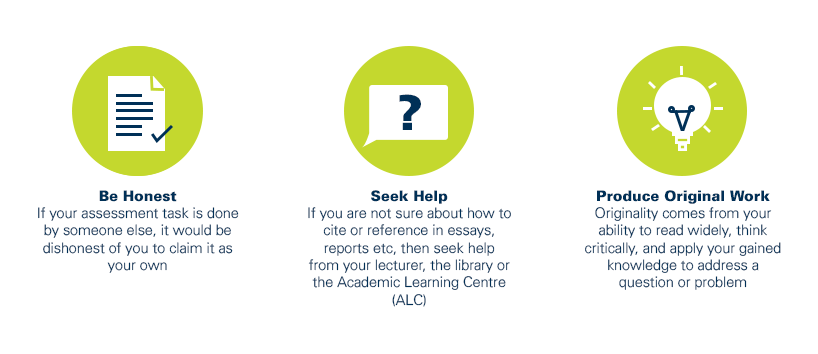
As a CQUniversity student you are expected to act honestly in all aspects of your academic work.
Any assessable work undertaken or submitted for review or assessment must be your own work. Assessable work is any type of work you do to meet the assessment requirements in the unit, including draft work submitted for review and feedback and final work to be assessed.
When you use the ideas, words or data of others in your assessment, you must thoroughly and clearly acknowledge the source of this information by using the correct referencing style for your unit. Using others’ work without proper acknowledgement may be considered a form of intellectual dishonesty.
Participating honestly, respectfully, responsibly, and fairly in your university study ensures the CQUniversity qualification you earn will be valued as a true indication of your individual academic achievement and will continue to receive the respect and recognition it deserves.
As a student, you are responsible for reading and following CQUniversity’s policies, including the Student Academic Integrity Policy and Procedure. This policy sets out CQUniversity’s expectations of you to act with integrity, examples of academic integrity breaches to avoid, the processes used to address alleged breaches of academic integrity, and potential penalties.
What is a breach of academic integrity?
A breach of academic integrity includes but is not limited to plagiarism, self-plagiarism, collusion, cheating, contract cheating, and academic misconduct. The Student Academic Integrity Policy and Procedure defines what these terms mean and gives examples.
Why is academic integrity important?
A breach of academic integrity may result in one or more penalties, including suspension or even expulsion from the University. It can also have negative implications for student visas and future enrolment at CQUniversity or elsewhere. Students who engage in contract cheating also risk being blackmailed by contract cheating services.
Where can I get assistance?
For academic advice and guidance, the Academic Learning Centre (ALC) can support you in becoming confident in completing assessments with integrity and of high standard.
What can you do to act with integrity?