Overview
This unit is designed so that you are be able to compare different approaches to community practice and provide the relevant knowledge and skills to critically analyse contexts for community work. You will develop appropriate strategic responses in a range of differing community contexts, including different cultural contexts and from an international perspective. You will develop an understanding of social innovation and the use of social entrepreneurship and social enterprise within communities.
Details
Pre-requisites or Co-requisites
Students will need to have successfully completed 48 credit points.
Important note: Students enrolled in a subsequent unit who failed their pre-requisite unit, should drop the subsequent unit before the census date or within 10 working days of Fail grade notification. Students who do not drop the unit in this timeframe cannot later drop the unit without academic and financial liability. See details in the Assessment Policy and Procedure (Higher Education Coursework).
Offerings For Term 2 - 2026
Attendance Requirements
All on-campus students are expected to attend scheduled classes - in some units, these classes are identified as a mandatory (pass/fail) component and attendance is compulsory. International students, on a student visa, must maintain a full time study load and meet both attendance and academic progress requirements in each study period (satisfactory attendance for International students is defined as maintaining at least an 80% attendance record).
Recommended Student Time Commitment
Each 6-credit Undergraduate unit at CQUniversity requires an overall time commitment of an average of 12.5 hours of study per week, making a total of 150 hours for the unit.
Class Timetable
Assessment Overview
Assessment Grading
This is a graded unit: your overall grade will be calculated from the marks or grades for each assessment task, based on the relative weightings shown in the table above. You must obtain an overall mark for the unit of at least 50%, or an overall grade of 'pass' in order to pass the unit. If any 'pass/fail' tasks are shown in the table above they must also be completed successfully ('pass' grade). You must also meet any minimum mark requirements specified for a particular assessment task, as detailed in the 'assessment task' section (note that in some instances, the minimum mark for a task may be greater than 50%). Consult the University's Grades and Results Policy for more details of interim results and final grades.
All University policies are available on the CQUniversity Policy site.
You may wish to view these policies:
- Grades and Results Policy
- Assessment Policy and Procedure (Higher Education Coursework)
- Review of Grade Procedure
- Student Academic Integrity Policy and Procedure
- Academic Progression Policy and Procedure
- Student Refund and Credit Balance Policy and Procedure
- Complaints Policy and Procedure
- Information and Communications Technology Acceptable Use Policy and Procedure
This list is not an exhaustive list of all University policies. The full list of University policies are available on the CQUniversity Policy site.
Feedback, Recommendations and Responses
Every unit is reviewed for enhancement each year. At the most recent review, the following staff and student feedback items were identified and recommendations were made.
Feedback from Head of Course and College review feedback.
Students value the focus on community practice and the opportunity to engage with real-world issues, with particular appreciation for applied learning activities that connect theory to practice. There is an opportunity to further group work and contemporary examples of activism from a global social work perspective in this unit.
It is recommended that the unit continue to strengthen collaborative learning approaches, including expanded opportunities for group work, alongside the integration of global perspectives on community practice and social work activism. This has been implemented through a review and redesign of the unit, incorporating more applied group-based activities and the inclusion of international examples of community practice and activism. These changes aim to deepen student engagement, broaden perspectives, and enhance understanding of community practice in diverse contexts.
- Critique ideas of community and a range of community work models for practice.
- Compare a range of strategies that provide useful outcomes for specified community based contexts and evaluate their usefulness.
- Integrate cultural competency skills working within the community including working within Indigenous communities
- Explain how social innovation is used within communities.
Alignment of Assessment Tasks to Learning Outcomes
| Assessment Tasks | Learning Outcomes | |||
|---|---|---|---|---|
| 1 | 2 | 3 | 4 | |
| 1 - Online discussion forum - 30% | ||||
| 2 - Written Assessment - 35% | ||||
| 3 - Report - 35% | ||||
Alignment of Graduate Attributes to Learning Outcomes
| Graduate Attributes | Learning Outcomes | |||
|---|---|---|---|---|
| 1 | 2 | 3 | 4 | |
| 1 - Communication | ||||
| 2 - Problem Solving | ||||
| 3 - Critical Thinking | ||||
| 4 - Information Literacy | ||||
| 5 - Team Work | ||||
| 6 - Information Technology Competence | ||||
| 7 - Cross Cultural Competence | ||||
| 8 - Ethical practice | ||||
| 9 - Social Innovation | ||||
| 10 - First Nations Knowledges | ||||
| 11 - Aboriginal and Torres Strait Islander Cultures | ||||
Alignment of Assessment Tasks to Graduate Attributes
| Assessment Tasks | Graduate Attributes | ||||||||||
|---|---|---|---|---|---|---|---|---|---|---|---|
| 1 | 2 | 3 | 4 | 5 | 6 | 7 | 8 | 9 | 10 | 11 | |
| 1 - Online discussion forum - 30% | |||||||||||
| 2 - Written Assessment - 35% | |||||||||||
| 3 - Report - 35% | |||||||||||
Textbooks
Developing Communities
- Edition: 6 (2022)
- Authors: Susan Kenny & Tammy Hand
- Cengage
- ISBN: 9780170292566
IT Resources
- CQUniversity Student Email
- Internet
- Unit Website (Moodle)
- Academic Learning Centre services
- CQUniversity library literature search tools
- Microsoft Word
- Wordprocessing, spreadsheeting and powerpoint software
- Zoom account (Free)
- Zoom app on your smart phone or access to Zoom on your laptop
- CQUniversity Library Resources
- Zoom (both microphone and webcam capability)
- CQUniversity Library search engines for research articles
- CQUniversity Library Nursing/Midwifery/Social Work Resources
- Australian Standards (through CQU library)
- Endnote bibliographic software. This is optional for formatting references
All submissions for this unit must use the referencing style: American Psychological Association 7th Edition (APA 7th edition)
For further information, see the Assessment Tasks.
j.mcnamara@cqu.edu.au
Week 1
Begin Date: 13 Jul 2026Module/Topic
Overview of Community Practice
Chapter
Kenny & Hand (2023) textbook & resources available on Moodle
Events and Submissions/Topic
Live drop-in session - check Moodle for details
Recorded weekly lecture
Assessments: Review the assessment tasks and make a study plan
Foundations of Academic Integrity Program: Complete your annual program.
Announcements and Discussion Forums: Check for updates.
Week 2
Begin Date: 20 Jul 2026Module/Topic
Approaches to community-led development
Chapter
Kenny & Hand (2023) textbook & resources available on Moodle
Events and Submissions/Topic
Live Tutorial - check Moodle for details
Recorded weekly lecture
Assessment 1 - WEEK 2 forum post & two reflective responses due
Student email - Check your student email at least twice per week for important communications.
Announcements and Discussion Forums: Check for updates.
Week 3
Begin Date: 27 Jul 2026Module/Topic
Emerging perspectives of community development
Chapter
Kenny & Hand (2023) textbook & resources available on Moodle
Events and Submissions/Topic
Live drop-in session - check Moodle for details
Recorded weekly lecture
Student email - Check your student email at least twice per week for important communications.
Announcements and Discussion Forums: Check for updates.
Week 4
Begin Date: 03 Aug 2026Module/Topic
Social innovation in communities
Chapter
Kenny & Hand (2023) textbook & resources available on Moodle
Events and Submissions/Topic
Live Tutorial - check Moodle for details
Recorded weekly lecture
Student email - Check your student email at least twice per week for important communications.
Announcements and Discussion Forums: Check for updates.
Assessment 1 - WEEK 4 forum post and two reflective responses due
Week 5
Begin Date: 10 Aug 2026Module/Topic
Community economic development
Chapter
Kenny & Hand (2023) textbook & resources available on Moodle
Events and Submissions/Topic
Live drop-in session - check Moodle for details
Recorded weekly lecture
Student email - Check your student email at least twice per week for important communications.
Announcements and Discussion Forums: Check for updates.
Week 6
Begin Date: 17 Aug 2026Module/Topic
Community development in Australia
Chapter
Kenny & Hand (2023) textbook & resources available on Moodle
Events and Submissions/Topic
Assessment 1 - WEEK 6 forum post and reflective responses due
Live Tutorial - check Moodle for details
Recorded weekly lecture
Student email - Check your student email at least twice per week for important communications.
Announcements and Discussion Forums: Check for updates.
Online Discussion Forum Due: Week 6 Wednesday (19 Aug 2026) 4:00 pm AEST
Vacation Week
Begin Date: 24 Aug 2026Module/Topic
Chapter
Please use this mid-term break as an opportunity to rest and recover. Enjoy your break!
Events and Submissions/Topic
No timetabled learning activities. Please use this week to progress your assessments if you wish.
Week 7
Begin Date: 31 Aug 2026Module/Topic
Community development around the world 1
Chapter
Kenny & Hand (2023) textbook & resources available on Moodle
Events and Submissions/Topic
Live drop-in session - check Moodle for details
Recorded weekly lecture
Student email - Check your student email at least twice per week for important communications.
Announcements and Discussion Forums: Check for updates.
Week 8
Begin Date: 07 Sep 2026Module/Topic
Community development around the world - 2
Chapter
Kenny & Hand (2023) textbook & resources available on Moodle
Events and Submissions/Topic
Live Tutorial - check Moodle for details
Recorded weekly lecture
Student email - Check your student email at least twice per week for important communications.
Announcements and Discussion Forums: Check for updates.
Week 9
Begin Date: 14 Sep 2026Module/Topic
Alternative movements to social action - 1
Chapter
Kenny & Hand (2023) textbook & resources available on Moodle
Events and Submissions/Topic
Live drop-in session - check Moodle for details
Recorded weekly lecture
Student email - Check your student email at least twice per week for important communications.
Announcements and Discussion Forums: Check for updates.
Written Assessment Due: Week 9 Wednesday (16 Sept 2026) 4:00 pm AEST
Week 10
Begin Date: 21 Sep 2026Module/Topic
Alternative movements to social action - 2
Chapter
Kenny & Hand (2023) textbook & resources available on Moodle
Events and Submissions/Topic
Live Tutorial- check Moodle for details
Recorded weekly lecture
Student email - Check your student email at least twice per week for important communications.
Announcements and Discussion Forums: Check for updates.
Don't forget - check your unit enrolments for next term.
Week 11
Begin Date: 28 Sep 2026Module/Topic
Technology and how it changes community practice
Chapter
Kenny & Hand (2023) textbook & resources available on Moodle
Events and Submissions/Topic
Live drop-in session - check Moodle for details
Recorded weekly lecture
Student email - Check your student email at least twice per week for important communications.
Announcements and Discussion Forums: Check for updates.
Student Unit and Teaching Evaluation survey - We encourage you to provide feedback about your unit and teaching experiences in this unit. The survey opens Week 11 and closes one week before release of grades.
Week 12
Begin Date: 05 Oct 2026Module/Topic
Review and reflection
Chapter
Kenny & Hand (2023) textbook & resources available on Moodle
Events and Submissions/Topic
Live drop-in session - check Moodle for details.
Recorded weekly lecture
Student email - Check your student email at least twice per week for important communications.
Announcements and Discussion Forums: Check for updates.
Student Unit and Teaching Evaluation - Please complete the unit evaluation survey.
Congratulations on completing this unit. Don't forget to check your unit enrolments for next term.
Written Assessment Due: Week 12 Wednesday (7 Oct 2026) 4:00 pm AEST
Exam Week
Begin Date: 12 Oct 2026Module/Topic
Chapter
Events and Submissions/Topic
Vacation/Exam Week
Begin Date: 19 Oct 2026Module/Topic
Chapter
Events and Submissions/Topic
As this unit is offered online, students are asked to prepare their own individual study plan to undertake self-led and self-directed study throughout the term. A key to your success is a strategic self-directed approach to learning and regular contact with your Unit Coordinator/s. Please check the Announcements and Discussion forums at least twice a week – there will be regular announcements about assessments and unit resources throughout the term and reviewing this information is essential to unit knowledge and your success. CQUniversity communicates with students through CQUniversity email. We recommend that you access your CQUniversity email at least twice a week so that you do not miss vital information about your studies.
1 Online discussion forum
The aim of this assessment is for you to interact with other students to develop reflective skills and demonstrate your understanding of the unit material.
Instructions
Please refer to the assessment task instructions on the unit Moodle site.
Academic Integrity
You must abide by the principles of academic integrity (see Student Academic Integrity Policy and Procedure). Completion of this assessment with another party or sharing of responses is not permitted at any time.
The use of any generative artificial intelligence is permitted as per Level 2 (AI planning) AI Assessment scale tool indicators:
- Gen AI content editing and proofreading.
- Checking spelling and grammar.
- CQUniversity’s Gen AI tools approved for use in this assessment are Microsoft Copilot (protected version), Studiosity and Grammarly.
Any use of Gen AI software:
- Must be cited in the relevant sections.
- Must be referenced as per APA 7th guidelines.
- You must complete the declaration of Gen AI use on the title page of your assessment.
Extensions
Extensions on this assessment are available as per policy. The 72-hour grace period may apply to this assessment.
Minimum Pass Criteria
- You must achieve a minimum grade of 49.5% to pass this assessment.
- In the event you are eligible for a supplementary assessment, all assessment tasks must be reasonably attempted in this unit.
In accordance with policy, any marks and/or grades for assessments released to students prior to Certification of Grades are provisional and are subject to moderation and confirmation through the relevant Program and Divisional Assessment Committees.
Week 6 Wednesday (19 Aug 2026) 4:00 pm AEST
Moodle
Week 8 Wednesday (9 Sept 2026)
Moodle
Assessment criteria will be available on the Moodle site.
- Compare a range of strategies that provide useful outcomes for specified community based contexts and evaluate their usefulness.
- Explain how social innovation is used within communities.
- Communication
- Problem Solving
- Critical Thinking
- Information Literacy
- Team Work
- Information Technology Competence
- Cross Cultural Competence
- Ethical practice
2 Written Assessment
The aim of this assessment is to demonstrate your ability to explore different understandings of community in Australia and examine community development models addressing two social issues impacting Indigenous communities. It involves examining community development models implemented in different contexts in Indigenous Australian communities and critically analysing how they support cross-cultural competency to understand their applicability and effectiveness in diverse cultural contexts and communities.
Instructions
Please refer to the assessment task instructions on the unit Moodle site.
Academic Integrity
You must abide by the principles of academic integrity (see Student Academic Integrity Policy and Procedure). Completion of this assessment with another party or sharing of responses is not permitted at any time.
The use of any generative artificial intelligence is permitted as per Level 2 (AI planning) AI Assessment scale tool indicators:
- Gen AI content editing and proofreading.
- Checking spelling and grammar.
- CQUniversity’s Gen AI tools approved for use in this assessment are Microsoft Copilot (protected version), Studiosity and Grammarly.
Any use of Gen AI software:
- Must be cited in the relevant sections.
- Must be referenced as per APA 7th guidelines.
- You must complete the declaration of Gen AI use on the title page of your assessment.
Extensions
Extensions on this assessment are available as per policy. The 72-hour grace period may apply to this assessment.
Minimum Pass Criteria
- You must achieve a minimum grade of 49.5% to pass this assessment.
AND
- In the event you are eligible for a supplementary assessment, all assessment tasks must be reasonably attempted in this unit.
In accordance with policy, any marks and/or grades for assessments released to students prior to Certification of Grades are provisional and are subject to moderation and confirmation through the relevant Program and Divisional Assessment Committees.
Week 9 Wednesday (16 Sept 2026) 4:00 pm AEST
Moodle
Week 12 Wednesday (7 Oct 2026)
Moodle
Assessment criteria will be available on the Moodle site.
- Critique ideas of community and a range of community work models for practice.
- Integrate cultural competency skills working within the community including working within Indigenous communities
- Communication
- Problem Solving
- Critical Thinking
- Information Literacy
- Cross Cultural Competence
- Ethical practice
3 Report
This assessment aims to demonstrate your understanding of the community development models that exist for people living with disability. Identify and examine the community development models used within this community and evaluate their performance in general and in comparison to other models. Demonstrate understanding of how social work practitioners can use these community development models to promote a more inclusive and equitable society by advocating for policy changes that support people living with disability in Australia.
Instructions
Please refer to the assessment task instructions on the unit Moodle site.
Academic Integrity
You must abide by the principles of academic integrity (see Student Academic Integrity Policy and Procedure). Completion of this assessment with another party or sharing of responses is not permitted at any time.
The use of any generative artificial intelligence is permitted as per Level 2 (AI planning) AI Assessment scale tool indicators:
- Gen AI content editing and proofreading.
- Checking spelling and grammar.
- CQUniversity’s Gen AI tools approved for use in this assessment are Microsoft Copilot (protected version), Studiosity and Grammarly.
Any use of Gen AI software:
- Must be cited in the relevant sections.
- Must be referenced as per APA 7th guidelines.
- You must complete the declaration of Gen AI use on the title page of your assessment.
Extensions
Extensions on this assessment are available as per policy. The 72-hour grace period may apply to this assessment.
Minimum Pass Criteria
- You must achieve a cumulative grade of at least 49.5% across all assessments to pass this unit.
- In the event you are eligible for a supplementary assessment, all assessment tasks must be reasonably attempted in this unit.
In accordance with policy, any marks and/or grades for assessments released to students prior to Certification of Grades are provisional and are subject to moderation and confirmation through the relevant Program and Divisional Assessment Committees.
Week 12 Wednesday (7 Oct 2026) 4:00 pm AEST
Moodle
Vacation/Exam Week Wednesday (21 Oct 2026)
Moodle
Assessment criteria will be available on the Moodle site.
- Critique ideas of community and a range of community work models for practice.
- Compare a range of strategies that provide useful outcomes for specified community based contexts and evaluate their usefulness.
- Communication
- Problem Solving
- Critical Thinking
- Information Literacy
- Information Technology Competence
- Cross Cultural Competence
- Ethical practice
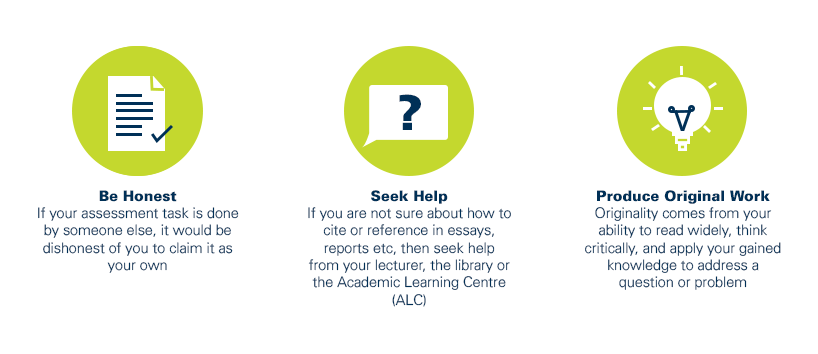
As a CQUniversity student you are expected to act honestly in all aspects of your academic work.
Any assessable work undertaken or submitted for review or assessment must be your own work. Assessable work is any type of work you do to meet the assessment requirements in the unit, including draft work submitted for review and feedback and final work to be assessed.
When you use the ideas, words or data of others in your assessment, you must thoroughly and clearly acknowledge the source of this information by using the correct referencing style for your unit. Using others’ work without proper acknowledgement may be considered a form of intellectual dishonesty.
Participating honestly, respectfully, responsibly, and fairly in your university study ensures the CQUniversity qualification you earn will be valued as a true indication of your individual academic achievement and will continue to receive the respect and recognition it deserves.
As a student, you are responsible for reading and following CQUniversity’s policies, including the Student Academic Integrity Policy and Procedure. This policy sets out CQUniversity’s expectations of you to act with integrity, examples of academic integrity breaches to avoid, the processes used to address alleged breaches of academic integrity, and potential penalties.
What is a breach of academic integrity?
A breach of academic integrity includes but is not limited to plagiarism, self-plagiarism, collusion, cheating, contract cheating, and academic misconduct. The Student Academic Integrity Policy and Procedure defines what these terms mean and gives examples.
Why is academic integrity important?
A breach of academic integrity may result in one or more penalties, including suspension or even expulsion from the University. It can also have negative implications for student visas and future enrolment at CQUniversity or elsewhere. Students who engage in contract cheating also risk being blackmailed by contract cheating services.
Where can I get assistance?
For academic advice and guidance, the Academic Learning Centre (ALC) can support you in becoming confident in completing assessments with integrity and of high standard.
What can you do to act with integrity?